Author: chiefeditor

  • Ukraine: attacks disrupt heating as temperatures fall

    Ukraine: attacks disrupt heating as temperatures fall

    Ukraine: attacks disrupt heating as temperatures fall

    According to the Office for the Coordination of Humanitarian Affairs (OCHA), since December 26, nationwide attacks have also caused significant damage to civilian infrastructure, leaving parts of the country without power, heat and water as temperatures fall below freezing.

    Nationwide, authorities reported nearly 100 civilian casualties during that period.

    The most serious consequences were reported in the city of kyiv, where a large-scale attack on December 27 killed and injured several people. Energy facilities, residential buildings, a kindergarten, a university dormitory, civilian vehicles, shops and other civilian premises were damaged.

    No heating in winter

    OCHA cited an energy company reporting that more than a million homes in and around Kyiv lost electricity as a result of the strikes. Water supplies were disrupted and around a third of the capital’s population was left without heat at the height of winter.

    The same wave of attacks affected the Chernihiv, Dnipro, Donetsk, Kharkiv, Kherson, Sumy and Odessa regions, causing new victims and damaging homes, educational institutions and infrastructure.

    Electricity has since been restored to almost 750,000 homes in Kyiv and almost 350,000 homes in the surrounding Kyivska region. However, heating and electricity remain disrupted by emergency and planned power cuts.

    Humanitarian partners have set up warming tents where residents can seek shelter, receive food, charge their mobile phones and access basic assistance.

    Essential services under threat

    The strikes come against a backdrop of continued pressure on essential services. Ukraine was behind about 42% of all attacks on healthcare recorded worldwide in 2025, according to the World Health Organization (WHO).

    Of more than 1,000 attacks on healthcare facilities worldwide this year, 561 took place in Ukraine, leaving 19 people dead and 201 injured.

    Over the weekend, another health facility was damaged in a strike on the town of Izmail in the Odessa region, highlighting continued risks to civilians and medical services as winter conditions intensify.

    Originally published at Almouwatin.com

  • TASS reported a “prevented assassination attempt” against Metropolitan Tikhon (Shevkunov)

    The Russian state news agency TASS reported end of february a “thwarted terrorist act against Metropolitan Tikhon (Shevkunov) of Simferopol and Crimea.”

    Two of his students, graduates of the Sretensky Theological Seminary, have been arrested. As evidence, the FSB published their videos in which the two young men explain how they were recruited by Ukrainian services and how they were supposed to plant an explosive device in the living quarters of the Sretensky Monastery where Metropolitan Tikhon was staying. The two arrested are Nikita Ivankovich and Denis Popovich. They were very close to the metropolitan, with Denis Popovich (of Ukrainian origin) being his secretary and cashier.

    Russian human rights organizations reported on them a month ago. Popovich was arrested on January 13 on the way to the Sretensky Seminary for “petty hooliganism” because he was “shouting and speaking obscenely.” He was detained for fifteen days. Then he was charged with a new crime. Nikita Ivankovich, a subdeacon and singer at the Resurrection Church in Moscow, went to visit his classmate in prison, after which his home was also searched. “The shovel used to bury an explosive device in Terletsky Park in Moscow” was found there. The two are accused of “sending money to support the Ukrainian armed forces” in 2022. The Russian media did not report on the reaction of Metropolitan Tikhon (Shevkunov) and whether he tried to help his employees. Today, the two graduates of the Sretensky Seminary are accused of “organizing an assassination attempt” against Metropolitan Tikhon. Their acquaintances describe them as pacifists who were “for stopping the war.” They have not hidden their views, their comments on social networks over the past two years have been commented on in Russian pro-war Telegram Ζ-channels (for example, with the eloquent name “Bishop Lucifer”) where they are accused of “propaganda in the seminary of the ideology of the Kiev Nazi regime”. These channels are now publishing photos of their close clergy and friends with a demand that they also be held accountable.

    A similar plot unfolded in the Georgian Church several years ago. Then a close associate of Patriarch Ilia – Deacon Georgi Mamaladze – was thrown into prison on charges of “organizing the assassination of the patriarch” by transporting cyanide. Subsequently, the charge was changed to “attempted assassination of a high-ranking official of the patriarchate”, namely the “gray cardinal” Shorena Tetrushavili, but the case remained in the public domain as “attempted assassination of the patriarch”. The case was used to purge the patriarchate of metropolitans considered possible successors to the patriarchal see, as well as their supporters.

  • From Jail, Öcalan Shuts Down His PKK

    The outlawed Kurdish militant group PKK announced a ceasefire with Turkey on Saturday, March 1, 2025, after a landmark call by detained PKK leader Abdullah Öcalan for the group to disband.

    It was the first reaction from the Kurdistan Workers’ Party (PKK) following Öcalan’s call this week for the party to disband and lay down its arms after fighting the Turkish state for more than 40 years.

    “In order to pave the way for the implementation of Leader Apo’s call for peace and a democratic society, we declare a ceasefire effective today,” the PKK’s executive committee said, referring to Öcalan and quoted by the PKK-backed ANF news agency.

    After several meetings with Öcalan in his island prison, the pro-Kurdish DEM party on Thursday delivered his call for the PKK to lay down its arms and convene a congress to declare the organization’s dissolution. The PKK said on Saturday it was ready to convene a congress as Öcalan wants, but “for this to happen, an appropriate security environment must be created” and Öcalan “must personally lead and guide it for the success of the congress.”

    “We agree with the content of the call as it is, and we say that we will follow and implement it,” the committee, based in northern Iraq, said. “None of our forces will take armed action unless attacked,” it added.

    The PKK, designated a terrorist group by Turkey, the United States and the European Union, has been waging a war since 1984

    in an effort to create a homeland for the Kurds, who make up about 20 percent of Turkey’s 85 million people. Since Öcalan was arrested in 1999, there have been various attempts to end the bloodshed that has claimed over 40,000 lives.

    Photo: Delegation of DEM party with PKK Organization Leader Abdullah Öcalan.

  • DR Congo: Clean water ‘a lifeline’ for around 364,000 children a day in Goma

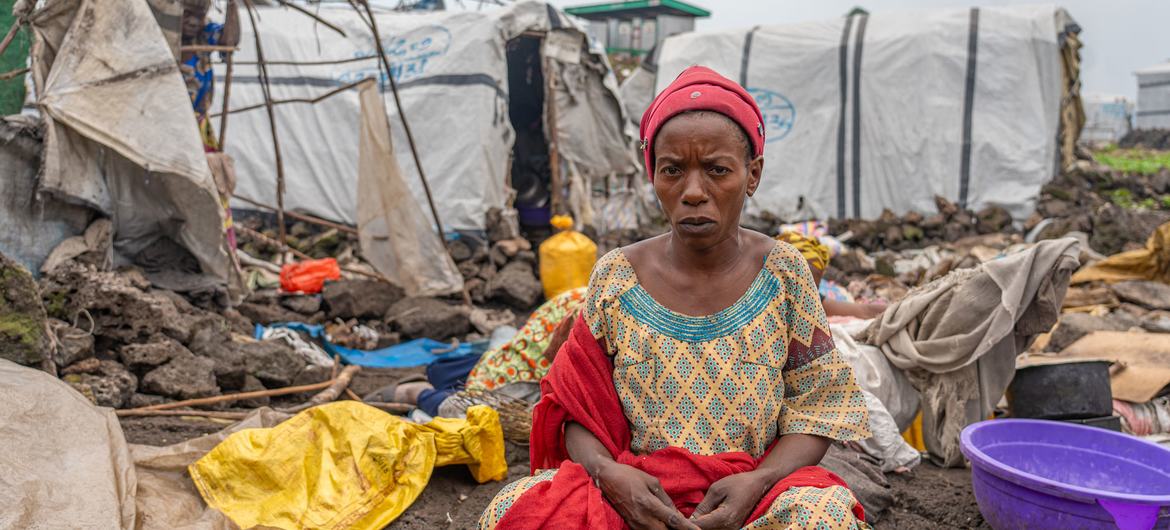
    The intense conflict at the end of January, which saw the city overrun by Rwanda-backed M23 rebels, left many of the city’s two million residents without access to clean water, sanitation or power. A third of them have only recently been displaced.

    The humanitarian crisis sparked by the fighting between Congolese Government forces, M23 and other armed factions – who have fuelled instability in the restive east for decades – has raised two pressing needs, says UNICEF.

    Hundreds of thousands of people are now moving from previous displacement sites around Goma to areas of return with only limited water and sanitation services.

    Clean water is a lifeline. With ongoing cholera and mpox epidemics in eastern DRC, children and families need safe water now more than ever to protect themselves and prevent a deeper health crisis,” said Jean Francois Basse, UNICEF‘s acting Representative in DRC.

    Deadlier risk than violence

    “Around the world, children in protracted conflicts are three times more likely to die from water-related diseases than violence. Re-establishing essential services needs to be prioritised, or we risk even more lives.”

    Despite the deteriorating security situation, UNICEF responded immediately by trucking water to three health facilities, including the Virunga General Referral Hospital, which treated around 3,000 injured patients.

    Medical kits to treat 50,000 people were also distributed to health centres overwhelmed with patients.

    Around 700,000 people now have daily access to water through the REGIDESO water utility company after UNICEF and the UN peacekeeping mission, MONUSCO, provided 77,000 litres of fuel, enabling the five main pumping stations to restart after they had shut down due to powerline cuts.

    On the east side of Goma, an additional 33,000 people are receiving water through a UNICEF-constructed water network in the Bushara-Kayarutshiyna area.

    Cholera cases tick up

    However, many still rely on untreated supplies directly from Lake Kivu. UNICEF and partners have set up more than 50 chlorine sites along the coast to treat lake water, supplying 56,000 people daily in a bid to limit the spread of cholera.

    “We are already seeing worrying signs of a rise in cholera cases, closely tied to increased displacement and people relying on unclean water. While gathering data is difficult in these challenging circumstances, with the main rainy season approaching, we’re extremely worried about an explosion in cases,” said Mr. Basse.

    Over the last decade, cholera has killed over 5,500 people in the DRC, where only 43 per cent of the population has access to at least a basic water service, and only 15 per cent has access to basic sanitation.

    In Goma, the conflict has made a dire situation worse. Even before the current escalation, approximately 700,000 displaced people lived in camps with dangerously inadequate access to water, sanitation and hygiene, exposing children to diseases and increasing risks of gender-based violence for women and girls collecting water and firewood.

    In line with the Geneva List of Principles on the Protection of Water Infrastructure, UNICEF is calling on all parties to the conflict to safeguard water supplies.

    Source link

  • Food prices soar as Israel blocks aid into Gaza

    That’s according to the UN aid coordination office, OCHA, which said on Monday that the Kerem Shalom, Erez and Zikim crossing closures means that vital humanitarian assistance, including thousands of tents, can’t be delivered to civilians in need.

    Phase one of the ceasefire mediated by Egypt, Qatar and the US expired on Saturday, with Hamas calling on Israel to move on to the next agreed phase – but Israel is calling instead for a continuation of phase one through the end of the Holy Month of Ramadan in line with a proposal from the top US envoy to the region.

    January’s ceasefire deal has seen the release of 33 Israeli hostages who’ve been held captive since the 7 October terror attacks, with around 1,900 Palestinian prisoners exchanged.

    “The ceasefire has provided the opportunity to distribute food, to distribute water, as well as shelter assistance and medical aid, allowing nearly everyone in Gaza to receive food parcels,” said UN Spokesperson Stéphane Dujarric, briefing reporters in New York.

    “Our humanitarian partners tell us that following the closure of the crossings into Gaza yesterday, flour and vegetable prices increased more than 100-fold. Partners are currently assessing the stocks that are currently available,” he added.

    Ceasefire, ‘a critical lifeline’: UNICEF    

    The UN children’s agency, UNICEF, warned that the stoppage of aid deliveries into Gaza will quickly lead to devastating consequences for children and families who are simply struggling to survive.

    “The aid restrictions announced yesterday will severely compromise lifesaving operations for civilians,” said Edouard Beigbeder, UNICEF Regional Director for the Middle East. “It is imperative that the ceasefire – a critical lifeline for children – remains in place, and that aid is allowed to flow freely so we can continue to scale up the humanitarian response.”

    The agency said that between 19 January and last Friday, almost 1,000 UNICEF trucks had crossed into the enclave carrying clean water, medical supplies, vaccines, therapeutic food and other materials.

    Since the start of the ceasefire on 19 January, UNICEF and partners have provided warm clothing to 150,000 children in Gaza and increased daily water distribution for nearly half a million people living in more remote areas, Mr. Dujarric said.

    Nearly 250,000 children and thousands of pregnant and breast-feeding mothers have received nutritional supplements since the ceasefire took effect.

    Over the past two weeks, in Rafah, Khan Younis and Deir al Balah, aid partners have distributed vegetable seed kits for gardening to try and encourage more diverse diets.

    Around 1,500 water distribution points are now operating across Gaza – double the number operational at the start of the ceasefire. “However, partners tell us that pipes and spare parts for maintenance are urgently needed,” said Mr. Dujarric.

    Classrooms open

    Across Gaza, more than 100 public schools have reopened, allowing around 100,000 students back into the classroom.

    In Gaza City and North Gaza, UN partners will use tents to ensure children can continue learning, with some wood pallets recycled into school furniture.

    OCHA teams visited a displacement site in Khan Younis on Monday where around 1,200 people are staying. These communities have not been allowed to return to their homes, which are located in the buffer zone.

    OCHA is working to mobilise assistance to meet their needs.

    Meanwhile in the occupied West Bank, OCHA reports that ongoing operation by Israeli forces continues to drive humanitarian needs in northern areas. Humanitarian partners continue to face movement restrictions.

    Source link

  • At a time of war, nations must stop global order from crumbling: UN rights chief

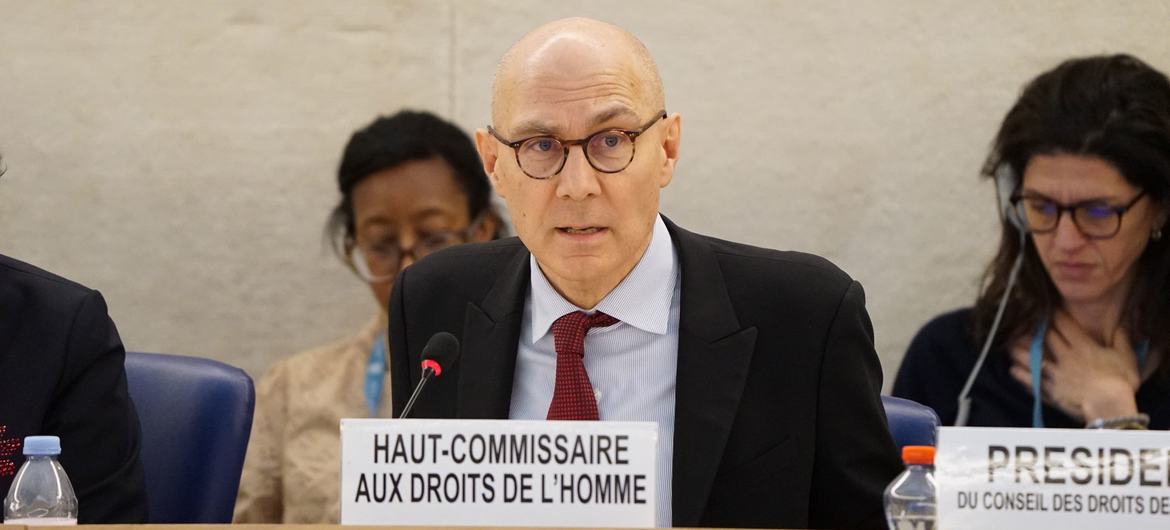
    “Our world is going through a period of turbulence and unpredictability, reflected in growing conflict and divided societies,” Türk told the Human Rights Council.

    “We cannot allow the fundamental global consensus around international norms and institutions, built painstakingly over decades, to crumble before our eyes.”

    The weapons of war

    Presenting his global update covering more than 30 countries, the High Commissioner described as “outrageous” the fact that legal safeguards for non-combatants were being repeatedly ignored.

    “Civilians are deliberately attacked. Sexual violence and famine are used as weapons of war,” Mr. Türk said. “Humanitarian access is denied, while weapons flow across borders and circumvent international sanctions. And humanitarian workers are targeted. In 2024, a record 356 humanitarian workers were killed while providing aid to people in some of the world’s most appalling crises.”

    Unbearable price

    In Sudan, the High Commissioner once again condemned devastating bomb attacks launched in heavily built-up areas with total impunity, by the parties to the conflict.

    All the while, the world’s worst humanitarian catastrophe deepens, threatening regional stability, he maintained: “Civilians are paying an unbearable price, in a naked struggle for power and resources. All countries must use their influence to apply pressure on the parties and their allies, to stop the war, embark on an inclusive dialogue, and transition to a civilian-led Government.”

    Ukraine’s people need peace

    Turning to Ukraine, whose future material support from the United States appeared unclear following televised disagreements between Presidents Trump and Zelensky at a White House meeting on Friday, Mr. Türk opposed any peace deal that excluded Ukraine.

    “Three years since the full-scale Russian invasion, people continue to suffer appallingly…Any discussions about ending the war must include Ukrainians and fully respect their human rights. Sustainable peace must be based on the United Nations Charter and international law.”

    Civilian casualties in Ukraine rose by 30 per cent between 2023 and 2024, the High Commissioner continued, as he accused Russia’s armed forces of systematically targeting Ukraine’s energy infrastructure with coordinated strikes, causing widespread disruptions to essential services.

    “Relentless attacks with aerial glide bombs, long-range missiles and drones have placed civilians in a state of constant insecurity and fear,” Mr. Türk noted.

    Ukrainian prisoners also continue to face summary executions and “widespread and systematic torture” by Russian forces, he continued.

    Gaza ceasefire focus

    In the Occupied Palestinian Territory, the UN rights chief insisted that the fragile ceasefire holds in Gaza “and becomes the basis for peace”.

    He also insisted that aid deliveries into Gaza should resume immediately, just as Israel announced a halt to aid flowing into the shattered enclave, having proposed extending the first phase of the ceasefire which ended at the weekend and which would allow Israeli troops to stay in Gaza.

    UN aid chief Tom Fletcher responded with alarm to the Israeli decision, insisting that the ceasefire “must hold”.

    In an online appeal, he added: “International humanitarian law is clear: We must be allowed access to deliver vital lifesaving aid. We can’t roll back the progress of the past 42 days. We need to get aid in and the hostages out.”

    Back in the Council, Mr. Türk explained that the Gaza had been “razed” by constant Israeli bombardment in response to the “horrific” Hamas-led attacks on Israel that sparked the war in October 2023. “Any solution to the cycles of violence must be rooted in human rights, including the right to self-determination, the rule of law and accountability. All hostages must be freed; all those detained arbitrarily must be released; and humanitarian aid into Gaza must resume immediately.”

    West Bank alert

    Reflecting deep concerns by humanitarians and the human rights community about Israeli military raids on Palestinian settlements in the West Bank, the UN High Commissioner insisted that Israel’s “unilateral actions and threats of annexation in the West Bank, in violation of international law, must stop”.

    Mr. Türk also condemned the use of “military weapons and tactics, including tanks and airstrikes, against Palestinians”. Equally worrying was “the destruction and emptying of refugee camps, the expansion of illegal settlements, the severe restrictions on movement and the displacement of tens of thousands of people”.

    DR Congo devastation

    Turning to the conflict in eastern Democratic Republic of the Congo, the High Commissioner underscored that entire communities in North and South Kivu had been devastated.

    “In the past five weeks, thousands of people have reportedly been killed during attacks by the M23 armed group, backed by the Rwandan Armed Forces, in intense fighting against the Armed Forces of the DRC and their allies,” the UN rights chief said, pointing to reports of rape, sexual slavery and summary executions.

    “More than half a million people have been forced to flee this year, adding to almost 7.8 million people already displaced in the country,” Mr. Türk said. “The violence must stop, violations by all parties must be investigated, and dialogue must resume.”

    More than half a million people have been forced to flee DR Congo this year.

    More than half a million people have been forced to flee DR Congo this year.

    Deadliest year in Myanmar

    Moving on to the ongoing escalation of violence in Myanmar sparked by the military coup on 1 February 2021, the UN rights chief noted that 2024 was the deadliest year for civilians since the junta takeover.

    “The military ramped up brutal attacks on civilians as their grip on power eroded, with retaliatory airstrikes and artillery shelling of villages and urban areas…and the forcible conscription of thousands of young people,” he said, before calling for the supply of arms and finance to the country’s military’s to be “cut decisively”.

    Haiti spiral

    The UN rights chief also expressed deep concerns about chronic lawlessness and heavily armed clashes in Haiti involving gangs that humanitarians warned last week recruit children as young as eight. More than 5,600 people were killed last year and thousands more were injured or kidnapped, Mr. Türk told the Human Rights Council.

    “Full implementation of the Security Council‘s arms embargo and support to the Multinational Security Support Mission are crucial to resolving this crisis,” he insisted.

    Yemen

    On Yemen, the High Commissioner noted that amid ongoing hostilities, nearly 20 million Yemenis need humanitarian support. Mr. Türk also expressed his outrage at the death of a UN World Food Programme colleague in detention earlier this month. “All 23 UN staff – including eight colleagues from my own Office – who are arbitrarily detained by the Houthis must be released immediately.”

    In a half-hour address to the Council that traditionally highlights the most worrying emergencies in the world and the need to tackle their root causes, the UN rights chief issued a call for greater global solidarity and accountability for crimes as a way to push back against those who would violate fundamental freedoms.

    “We all have a responsibility to act – through our consumption habits, our social media use, and our political and social engagement,” he told the Council’s 47 Member States.

    “We can trace a clear line between the lack of accountability for airstrikes on hospitals in Syria in the 2010s, attacks on healthcare facilities in Yemen, and the destruction of health systems in Gaza and Sudan,” he continued.

    Toys of tech oligarchs

    Equally alarming is the rise of unelected and unregulated “tech oligarchs” who reflect the new global power dynamic, Mr. Türk warned, before urging governments to fulfil their primary purpose of protecting their people from unchecked power.

    Today’s tech oligarchs “have our data: they know where we live, what we do, our genes and our health conditions, our thoughts, our habits, our desires and our fears…And they know how to manipulate us,” the High Commissioner insisted.

    Electioneering tactics

    “I have followed recent election campaigns in Europe, North America and beyond with increasing trepidation. Single-issue soundbites devoid of substance oversimplify complex issues and are often based on scapegoating, disinformation, and dehumanization,” he continued.

    “Dehumanization is a well-worn step towards treating an entire group as outsiders, unworthy of the basic rights we all enjoy. It is a dangerous precursor to hate and violence and must be called out whenever it occurs.”

    Volker Türk, UN High Commissioner for Human Rights, presents his latest report on the obligation to ensure accountability and justice in the Occupied Palestinian Territory.

    UN Human Rights Council/Marie Bambi

    Volker Türk, UN High Commissioner for Human Rights, presents his latest report on the obligation to ensure accountability and justice in the Occupied Palestinian Territory.

    Toxic influence on gender equality

    The High Commissioner also voiced his concern about the resurgence of toxic ideas about masculinity and efforts to glorify gender stereotypes, especially among young men.

    To blame for this are “misogynistic influencers” with millions of followers on social media who “are hailed as heroes”, Mr. Türk said.

    Online and offline, their ideas push back against gender equality and result in “violence and hateful rhetoric against women, women’s rights defenders, and women politicians”, the High Commissioner continued. 

    In a message of solidarity with people who have been left “feeling alienated and abandoned” by such malign influences, Mr. Türk insisted that the United Nations was by their side. “Your concerns are our concerns, because they are about human rights: to education, to health, to housing, to free speech, and access to justice. Human rights are about people’s daily concerns for their families and their future. We must cherish the values of respect, unity and solidarity; and work together for a safer, more just, more sustainable world. We can and will persevere,” he concluded.

    Source link

  • EU Welcomes Alignment of 11 Countries on Sanctions Against ISIL and Al-Qaeda, Ensuring Humanitarian Exemptions

    BRUSSELS, The European Union has taken a significant step to strengthen international cooperation against terrorist groups, with 11 partner countries committing to align their policies with EU sanctions targeting ISIL (Da’esh) and Al-Qaeda. The move, formalized through a Council Decision adopted on February 18, underscores efforts to balance counter-terrorism measures with humanitarian considerations.

    Key Details of the Decision
    The Council’s Decision (CFSP) 2025/3361 amends the existing EU sanctions regime outlined in Decision 2016/1693, ensuring it remains consistent with recent United Nations Security Council Resolutions 2664 (2022) and 2761 (2024). A critical element of the update confirms the continued applicability of a humanitarian exemption, which allows for the provision of essential goods such as food, medicine, and medical devices to civilian populations, even in sanctioned areas. This provision aims to prevent unintended harm to vulnerable communities while maintaining pressure on terrorist networks.

    Countries Joining the Effort
    Eleven non-EU countries have pledged to align their national policies with the EU’s updated sanctions framework. These include Albania, Armenia, Bosnia and Herzegovina, Georgia, Iceland, Liechtenstein, Montenegro, North Macedonia, the Republic of Moldova, Serbia, and Ukraine. The group spans a mix of European neighbors, Western Balkan states, and Eastern Partnership countries, reflecting the EU’s broader geopolitical outreach.

    Iceland, a member of the European Economic Area but not the EU, and Liechtenstein, part of the Schengen Area, join alongside nations like Ukraine and Georgia, which have expressed aspirations for closer EU integration. The alignment demonstrates a shared commitment to combating terrorism while adhering to international humanitarian law.

    EU Response and Significance
    The High Representative of the EU for Foreign Affairs and Security Policy welcomed the decision, emphasizing its role in reinforcing global unity against terrorism. In a statement, the EU noted, “This alignment strengthens our collective resolve to disrupt terrorist financing and operations while safeguarding humanitarian access.”

    The move is seen as a diplomatic win for the EU, as it encourages partner nations to adopt standardized measures. By harmonizing policies, the bloc aims to close potential gaps that terrorists might exploit, ensuring a cohesive international response. The inclusion of the humanitarian exemption also aligns with UN principles, reinforcing the EU’s reputation as a rule-based actor in global security.

    Context and Challenges
    Sanctions regimes often face criticism for inadvertently harming civilians, particularly in conflict zones. The humanitarian exemption, first introduced in the UN resolutions, addresses this concern by exempting essential aid from penalties. The EU’s update ensures its sanctions remain in sync with evolving international standards, a priority as counter-terrorism strategies evolve.

    However, implementation challenges persist, including monitoring compliance and distinguishing legitimate aid from illicit activities. The EU has urged aligned countries to enforce strict oversight, balancing vigilance with the imperative to protect civilians.

    Conclusion
    The decision reflects the EU’s ongoing role in shaping global counter-terrorism policies, leveraging its diplomatic influence to unite partners under a common framework. As the international community continues to confront threats from groups like ISIL and Al-Qaeda, such coordinated efforts are vital to both undermining terrorist operations and upholding humanitarian principles.

  • US cuts mean ‘essential’ UN mental health teams in Ukraine risk closure

    A young mother, five children in tow, steps off a train in the central Ukrainian city of Dnipro, holding a small bag. She is fleeing Russian attacks in the Zaporizhzhia region, she is also escaping a violent partner, a man who once beat her so severely she suffered a miscarriage.

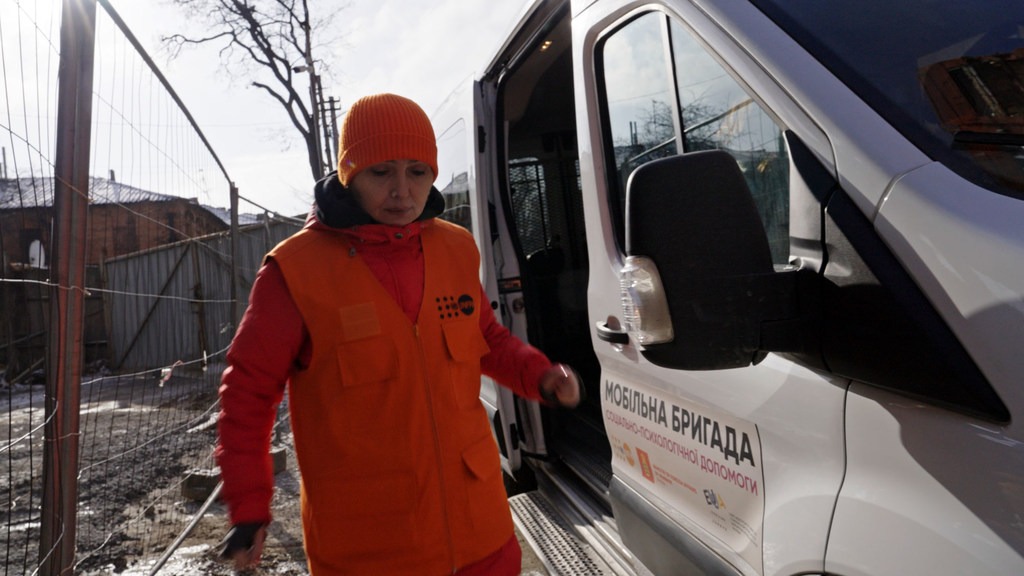
    She needs urgent medical attention, legal assistance and a safe place for her children. “We met her at the train station,” says Tetiana, a psychologist with a mobile team since 2022. “We also organized a medical escort and lawyers to help with her documents and referrals.”

    Trauma, distress and surging domestic abuse

    Tetiana’s unit is one of 87 UNFPA psychosocial support teams, on call for emergency interventions. She can also refer survivors for longer-term assistance, job training and access to legal aid. These resources remain critical for survivors of abuse long after the initial danger has passed – especially in a country where three years of war have caused widespread trauma and deep psychological distress.

    Since Russia’s full-scale invasion three years ago, reports of intimate partner violence, domestic abuse, sexual violence and other forms of gender-based violence have surged more than threefold in Ukraine. An estimated 2.4 million people – mostly women and girls – are in urgent need of gender-based violence prevention and response services. “Even after finding some physical safety in Dnipro, many struggle with lingering panic attacks, nightmares and depressive symptoms,” says Tetiana.

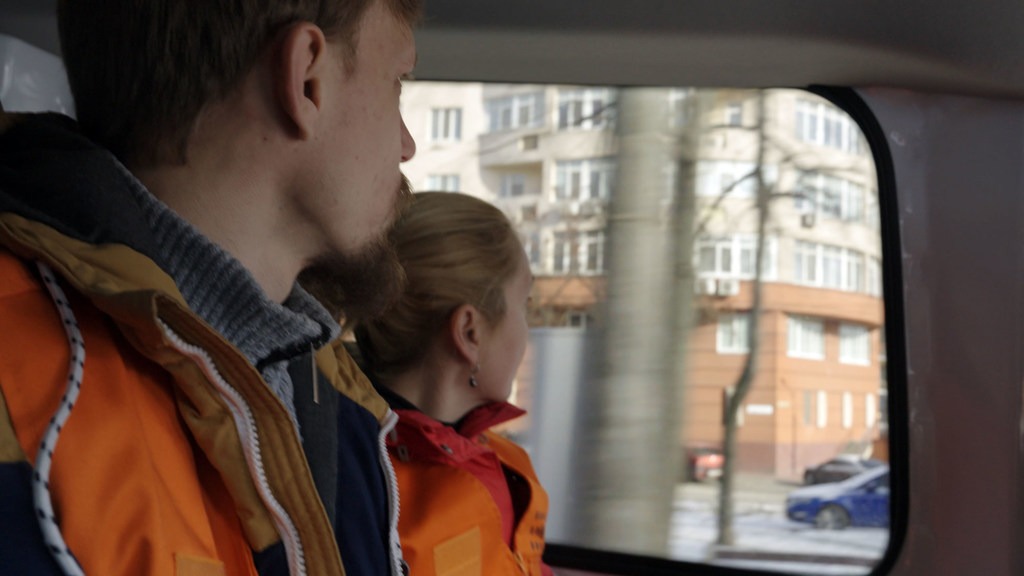
    UNFPA’s mobile psychosocial support teams are often the first to respond to cases of gender-based violence after the police.

    UNFPA’s mobile psychosocial support teams are often the first to respond to cases of gender-based violence after the police.

    Almost two thirds of households in Ukraine report dealing with some form of anxiety, depression or extreme stress, thwarting people’s ability to find work or care for family members. Financial hardship, mass job losses, deaths of loved ones and fears of future attacks are only intensifying their distress. Without proper counselling and care, the cycle of trauma can also be passed down to future generations, risking long-term and wider-spread harm to the community

    Surviving is just the beginning

    Roman joined the team in Dnipro as a social worker in April 2022, arranging coordination with social services and public organizations. “We have built a response system for people’s safety and support,” he said, explaining that they are often the first to respond to cases of gender-based violence, after the police. “We are an ambulance of sorts for gender-based violence incidents.”

    These services are vital, especially for women without stable income or housing, as the war has put many at risk of economic exploitation or renewed violence.

    “Many people think surviving the initial threat is the end of the story,” added Tetiana. “But the real healing only starts once they are physically safe. Without psychosocial support, it’s difficult for them to recover from trauma or prevent further harm.”

    Tetiana has worked as a psychologist with UNFPA’s mobile psychosocial support team in Dnipro since early 2022.

    Tetiana has worked as a psychologist with UNFPA’s mobile psychosocial support team in Dnipro since early 2022.

    In crisis settings, the risk of violence against women and girls escalates – including conflict-related sexual violence – and the demand for protection and response services spikes. Yet, as displaced women often lack social networks to turn to and are stigmatized if they report abuse, the police can request the mobile team’s support on-site to coordinate further interventions, such as safe housing or counselling.

    Health workers under fire

    It’s a situation fraught with danger, and response workers themselves can come under fire. “When we arrive at the sites of attacks or in cases of violence. We don’t have time to slow down,” explained Roman. “We switch on immediately and start providing services. It’s like our own reactions are on hold. Only later, when we look back and discuss it, do we realize how difficult it actually was.”

    Since February 2022, the World Health Organization has confirmed over 2,200 attacks on healthcare facilities, services and personnel in Ukraine by the Russian Federation. Last year, over 300 of these affected medical facilities – a threefold increase on 2023.

    While his work is critical, Roman said it takes a toll. “With each shelling, it builds up – one after the other. Depending on the severity of the damage, you feel it differently each time. But for the most part, we stay focused on what must be done, putting our feelings aside on the spot. Then, once the immediate crisis is handled, we turn to our own support networks and process it all.”

    Why these services must endure

    Since 2022, more than 50 of UNFPA’s mobile psychosocial teams have been funded by the US Government, and play an indispensable role in helping Ukraine’s most vulnerable. “The city services function, but they lack the same impact and reach. That’s why the mobile teams are essential, especially in times of war, as we navigate the wave of displaced people,” said Tetiana.

    Women are fundamental to the resilience of Ukraine’s families, workforce and larger community, but they have endured immense suffering over years of conflict. Ensuring they are supported throughout their personal recovery will be crucial to safeguarding Ukraine’s long-term recovery.

    With uncertainty now surrounding funding for humanitarian work around the world, the continuity of this vital work is under threat. 640,000 women and girls will be affected by cuts to psychosocial support, gender-based violence services, safe spaces, and economic empowerment programs. Protection for refugees and crisis-affected communities will be diminished.

    Essential health services to prevent and respond to gender-based violence, support to women-led organizations, and programmes promoting women’s economic empowerment are all at risk of closure – gravely endangering the safety and well-being of millions of people.

    Source link

  • Joint ECDC-WHO Regional Office for Europe Mpox Surveillance Bulletin


    In the last three months, 715 cases have been reported from
    24 countries and areas. Over the past 4 weeks, 246
    cases of mpox have been identified from 20 countries and
    areas.

    Since 7 March 2022, a total of 28 872 cases of mpox (formerly named
    monkeypox) have been identified through IHR mechanisms, official public
    sources and The European Surveillance System (TESSy) up to 14 January
    2025, 14:00, from 47 countries and areas throughout the WHO European
    Region. Case-based data were reported for 28 632
    cases from 42 countries and areas to ECDC and the WHO Regional Office
    for Europe through TESSy, up to 14 January 2025, 10:00. Of the 28 632
    cases reported in TESSy, 28 446 were laboratory confirmed.


    The majority of cases were male
    (98%; n = 28 551) with the
    most affected age group being 31–40 years-old
    (39%; n = 28 588). Of the
    12 872 male cases with known sexual behaviour, 97% were reported as men
    who have sex with men. Among cases with known HIV status, 37%
    (n = 12 149) were HIV-positive.
    The majority of cases presented with a rash
    (91%; n = 10 203). Systemic symptoms
    such as fever, fatigue, muscle pain, chills, or headache were present in
    53% of cases (n = 10 203).
    There were 941 cases hospitalised (7%), of which
    303 cases required clinical care. Nine cases were admitted to ICU, and 9
    cases were reported to have died.

    Since August 2024, 16 cases of clade 1b have been detected in
    5 countries. All these cases either travelled themselves or are close
    contacts of travelers from countries with known local transmission of
    clade Ib.

    An overview of the global situation can be found here: https://worldhealthorg.shinyapps.io/mpx_global/.

    Acknowledgments

    We gratefully acknowledge the Nextstrain team, the authors,
    originating and submitting laboratories of the genetic sequences and
    metadata (NCBI
    Genbank
    ) for sharing their work.


    Source link

  • Remarks by President António Costa following the Leaders’ summit on Ukraine

    First of all, I would like to thank Prime Minister Keir Starmer for gathering all of us here today.

    This consultation was very useful and important, and I will continue to work with all the EU member states’ leaders to prepare our special European Council on next Thursday.

    The European Union is ready to work with all our European partners and other allies on a peace plan to Ukraine that will ensure a just and lasting peace for the Ukrainian people.

    We must learn from the past. We cannot repeat the Minsk experience. We cannot repeat the Afghanistan tragedy. And for that, we need strong security guarantees. Peacemaking goes hand in hand with peacekeeping.

    We will continue to work on ensuring a lasting peace in Ukraine. Thank you.