Category: Culture

  • The Bible in all the world’s languages: How artificial intelligence is accelerating an ancient mission

    The Bible in all the world’s languages: How artificial intelligence is accelerating an ancient mission

    The Bible in all the world’s languages: How artificial intelligence is accelerating an ancient mission

    During the Christmas season, millions of people return to church – even those who have long since drifted away from religious life. They listen to the story of Mary, Joseph and the baby Jesus, born in a stable because there was no room for him in the inn. For Christian missionaries, this story is not only part of tradition, but also a reminder of the global task: to convey the biblical text to every people in their own language.

    The Bible is already the most translated book in human history: it is available in more than 750 languages. However, there are about 7,000 living languages ​​in the world, and for thousands of them not even fragments of the Holy Scripture exist. Today, religious organizations are betting on technologies that, according to the Economist magazine, are capable of radically accelerating this process – above all, on large-scale language models and artificial intelligence tools.

    Why Bible Translation is a Linguistic and Theological Challenge

    Translating biblical texts is not just a technical task. The Old Testament has about 600,000 words, and according to tradition, it took about 70 scholars to translate it in the 3rd century BC. The New Testament is written in an uneven, colloquial Greek language, far from the classical norm, which only complicates the task of translators.

    Many of the formulations in the text remain ambiguous. One of the most famous examples is the word ἐπιούσιον (epiousion) in the prayer “Our Father”. The phrase “give us this day our bread epiousion” contains a term that occurs only in this context, and its exact meaning remains a subject of debate to this day. Some researchers believe that it refers to “daily” or “daily” bread, others connect the word with “tomorrow”, and still others – with spiritual or Eucharistic food. However, most translators were forced to make a choice and eventually settled on the “daily bread” option.

    Such decisions have far-reaching theological consequences. A classic example is the description of Mary: in one translation she is called a young woman, in another – a virgin. This difference affects fundamental elements of Christian doctrine and shows that Bible translation is inevitably associated with interpretation.

    From the pyres of the Inquisition to long-term projects

    Historically, Bible translation was not only a difficult but also a dangerous occupation. In the Middle Ages, translators who worked on the text in the vernacular languages ​​could be declared heretics and executed. After the Reformation, the risk to life disappeared, but the laboriousness remained. In 1999, the Wycliffe missionary organization estimated that with the traditional approach – sending missionaries abroad, learning the language from scratch, and translating by hand – it would take about 150 years to launch projects for all the other languages.

    Later, local linguists began to be involved in the work, but even in this case, translating the entire Bible usually took about 15 years.

    How artificial intelligence is changing the scale of the task

    With the advent of large language models, the situation began to change. According to experts, using AI, translating the New Testament could take about two years, and the Old Testament – about six. This radically shortens the time frame and allows us to talk about global goals.

    Missionary organizations are now striving to have at least part of the Bible translated into every living language by 2033. The IllumiNations coalition, which unites translation agencies, claims that the project is already more than halfway completed. Over the past decade, almost $500 million has been raised for these purposes.

    The technological breakthrough was largely made possible after the company Meta opened up access to its machine translation model in 2022. It was originally created to improve digital services in about 200 languages, mainly in African and Asian countries. However, religious organizations have adapted this development to translate biblical texts, practically adapting secular technology to a sacred task.

    The problem of “small languages” and the limits of machine translation

    However, artificial intelligence is not a universal solution. Many languages ​​​​belong to the category of so-called “low-resource”: for them there are almost no written sources, which means that language models simply have nothing to train on. In such cases, translators must first manually create parallel texts – often translating fragments of the Bible without the help of AI.

    As experts note, the key question today is what is the minimum amount of data needed for the model to start giving acceptable results. Finding this balance remains one of the main technical tasks of the project.

    Culture, metaphors and the doubts of believers

    The use of AI also provokes theological disputes. Some Christians fear that technology is replacing spiritual inspiration and the role of the Holy Spirit. Supporters of the digital approach respond that AI performs only an auxiliary function: all translations undergo a multi-stage review by humans, from linguists to theologians.

    However, cultural complexities remain. AI does not work well with metaphors and abstract concepts. If the language does not have the word “bat,” translators must use descriptive formulas such as “weapon of war” or “a long wooden pole for breaking down gates.”

    In addition, different cultures perceive images differently. For example, the expression “to receive Jesus into your heart” is not universally understood: among some peoples in Papua New Guinea, the liver or stomach is considered the center of emotions. In such cases, translation requires adapting the images to preserve the meaning without distorting the message.

    Between the expectation of the end times and practical benefit

    For some Christians, the urgency of translating the Bible has an eschatological meaning: there is a belief that the return of Christ is possible only after the Scriptures become accessible to all peoples. For others, it is primarily a missionary duty.

    This project also has completely earthly consequences. Work on rare languages ​​helps to save them from extinction, forms new linguistic databases and contributes to the development of translation technologies in general. Thus, an ancient religious text becomes a catalyst for modern technological processes – with an effect that goes far beyond the boundaries of the religious world.

  • Bulgaria hosts of the session of the UNESCO World Heritage Committee

    The Bulgarian government approved funding in the amount of up to 1,890,000 leva to ensure activities related to the organization of the 47th session of the UNESCO World Heritage Committee in the summer of this year. At a cabinet meeting, it was decided that the funds are earmarked for the Ministry of Culture, which will have to coordinate all actions related to the prestigious, but also difficult in terms of organization, event.

    We recall that by a decision taken on July 31, 2024, within the framework of the 46th session of UNESCO in Delhi (India), Sofia was chosen to host the 47th session of the organization from July 6 to 16, 2025, and Prof. Nikolay Nenkov was appointed as the Chairman of the World Heritage Committee. His mandate is until the end of the event in the capital of Bulgaria. His vice-chairmen are representatives of the countries of Belgium, Mexico, the Republic of Korea, Zambia and Qatar. Joel Busuana (Rwanda) was appointed rapporteur.

    The decision for Bulgaria to undertake this extremely serious commitment was made by the caretaker government of Dimitar Glavchev with a decision of 30 July 2024 and was supported by a declaration of all parliamentary groups in the National Assembly.

    Illustrative Photo by Gizem B: https://www.pexels.com/photo/church-of-christ-pantocrator-in-nesebar-bulgaria-16283124/

  • The Hidden Trap: How Instagram and TikTok Are Wasting Your Time and Warping Your Perception of Reality

    In today’s world, social media is more than just entertainment—it’s a part of our daily routine. Platforms like Instagram and TikTok promise connection, inspiration, and even opportunities. But beneath the surface, they create a cycle of distraction, wasted time, and misinformation that keeps people engaged for all the wrong reasons.

    The Endless Scroll: How You’re Losing Hours Without Realizing It

    Have you ever opened Instagram or TikTok for a quick check, only to look up and realize an hour has disappeared? You’re not alone. These platforms are designed to keep you engaged with an infinite stream of content, making it difficult to pull away. The issue isn’t just the time lost but what that time could have been spent on—personal growth, meaningful conversations, learning new skills, or simply enjoying the real world.

    Social media’s greatest trick is convincing users that they are engaging in something valuable when, in reality, much of the content is repetitive, shallow, and offers little substance. What starts as a harmless way to unwind quickly turns into an empty routine of watching video after video, without any real benefit.

    The Illusion of Productivity and Connection

    Instagram and TikTok claim to connect people, but do they really? While it may feel like you’re staying in touch with friends or keeping up with trends, most interactions on these platforms are surface-level. A like, a comment, or a quick message does not replace real conversations, deep friendships, or meaningful social interactions.

    Many users also fall into the trap of believing they are being productive—watching videos about success, fitness, or business. But without action, consuming motivational content becomes a passive activity. Watching someone else achieve their goals does not bring you any closer to your own.

    The Spread of Misinformation: Believing What Isn’t True

    Beyond wasting time, these platforms have a serious issue with spreading false or misleading information. From financial scams to fake health advice and dangerous challenges, misinformation is everywhere. Influencers and viral trends often share misleading claims without fact-checking, and before long, millions of people accept these falsehoods as truth.

    Take, for example, the rise of investment “gurus” on Instagram or TikTok who promise quick wealth through secret strategies. Many users have lost money following unverified advice from unqualified individuals who care more about views than providing accurate information. The same happens in beauty, fitness, and even historical discussions—where exaggerated or entirely false claims spread simply because they are entertaining or shocking.

    The Social Consequences: Damaging Self-Worth and Encouraging Comparison

    Perhaps the most overlooked danger of social media is its effect on self-perception. Instagram, in particular, is notorious for promoting unrealistic lifestyles. Carefully edited photos, staged moments, and exaggerated success stories create a distorted sense of reality. Users compare their everyday lives to someone else’s highlight reel, leading to unnecessary stress and dissatisfaction.

    TikTok, with its fast-paced viral trends, also pushes unrealistic expectations. People feel pressured to participate in challenges, look a certain way, or fit into whatever is currently popular. This constant exposure to curated perfection makes people feel like they are not doing enough, not achieving enough, or not good enough—when in reality, they are comparing themselves to something that isn’t real.

    Taking Back Control: How to Break Free from the Trap

    So, what can be done? The first step is awareness. Recognize how much time you are actually spending on these platforms and question whether it is adding real value to your life. Are you learning? Growing? Making meaningful connections? If the answer is no, it’s time to set boundaries.

    • Limit Your Time – Set specific time limits for social media use. Many phones now have built-in tracking features to help you monitor your usage.
    • Be Intentional – Instead of mindlessly scrolling, decide what you want to do before opening the app. Are you checking in on a friend? Looking for specific news? Once you complete that task, log off.
    • Verify Information – Don’t believe everything you see. If something sounds too good to be true, it probably is. Take the time to fact-check before sharing or acting on information.
    • Engage More in the Real World – Prioritize face-to-face interactions, hobbies, and activities that bring genuine joy and fulfillment.

    Social media is not inherently bad, but when used without intention, it quickly becomes a trap—one that wastes time, distorts reality, and diminishes real-world experiences. The choice is yours: will you continue to be controlled by an endless scroll, or will you reclaim your time and focus on what truly matters?

  • “Harry Potter and the Philosopher’s Stone” – The Birth of a Literary Phenomenon – Magic, Friendship, and Destiny

    With the publication of “Harry Potter and the Philosopher’s Stone”, you are invited into a world where magic, friendship, and destiny intertwine, captivating readers of all ages. This groundbreaking novel introduces you to a young boy who discovers his true identity and the enchanting realm of Hogwarts, setting the stage for an extraordinary adventure. As you probe into the pages, you will uncover the numerous themes that resonate deeply, reflecting on the power of friendship and the importance of courage in the face of adversity.

    The Magical World of Harry Potter

    The Setting and Its Significance

    Against the backdrop of a hidden magical society, J.K. Rowling intricately crafts a world that sparks your imagination and invites you to escape reality. The dual setting of the mundane world and the enchanting Hogwarts School of Witchcraft and Wizardry highlights a significant juxtaposition between the ordinary and the extraordinary. Your journey through the story reveals how characters like Harry, Hermione, and Ron traverse these realms, demonstrating that magic is often concealed within the familiar. Through places like Diagon Alley and the Forbidden Forest, Rowling sets the stage for a myriad of experiences that challenge your understanding of possibility and reality.

    This careful construction of settings plays a vital role in building the overall narrative, allowing you to relate to the characters while simultaneously being drawn into their fantastical world. Hogwarts, with its enchanting architecture and hidden corridors, symbolizes a place of growth, learning, and friendship. Each location serves as not just a backdrop, but a character in its own right, facilitating personal evolution and connection in ways that resonate deeply with your own life experiences.

    The Role of Magic in the Narrative

    Magical elements in the Harry Potter series are not only vital for entertainment but serve as a powerful vehicle for themes of friendship, courage, and the struggle between good and evil. You will find that magic is the lens through which characters confront their fears and limitations, allowing for profound moments of triumph. The spells, creatures, and artifacts encountered provide a sense of wonder and complexity, enriching the narrative and making it all the more relatable.

    Even within the magical framework, the characters face significant challenges and moral dilemmas that force you to reflect on your own choices. The dangers of dark magic, epitomized by Voldemort, serve to create tension and urgency, while the friendships formed at Hogwarts illustrate the importance of support and trust. As you probe further into the story, the magic not only entertains but also teaches vital lessons about resilience, empathy, and the power of your own heart when facing adversity.

    The Power of Friendship

    Forming Bonds at Hogwarts

    Assuming you step into the enchanting world of Hogwarts, the importance of friendship becomes painfully evident. The school serves as a melting pot where students from various backgrounds come together, forge bonds, and help each other navigate the trials of growing up. You witness alliances born from shared experiences, whether it’s tackling a difficult potion in Professor Snape’s class or facing a formidable foe during a Quidditch match. Every moment spent with your newfound friends deepens these connections, fostering a sense of belonging that is integral to your journey.

    Any true fan of the series knows that the trio of Harry, Ron, and Hermione represent the epitome of camaraderie. As you journey alongside them, you find that their distinct personalities complement each other perfectly. Harry’s innate bravery, Ron’s loyalty, and Hermione’s intellect create a powerful synergy that not only aids in overcoming challenges but also enriches your understanding of friendship’s dynamic role in one’s life. Their bond exemplifies how friendship can lead to personal growth and resilience, making it a vital aspect of your own magical experience.

    The Impact of Friendship on Character Development

    The journey through “Harry Potter and the Philosopher’s Stone” beautifully illustrates how the power of friendship can shape characters in profound ways. As you observe the evolution of Harry, Ron, and Hermione, you realize that their experiences together not only enhance their individual strengths but also help them confront their weaknesses. Through various challenges, the steps they take together lay the foundation for their growth into courageous individuals, capable of facing even the darkest of obstacles.

    This bond is not merely a backdrop to the story; it is a dynamic force that propels their character development. Through shared trials, you see how they inspire and uplift each other, such as when they encourage Harry to embrace his identity as a wizard rather than view it as a burden. The friendships foster a safe space for them to reveal vulnerabilities and learn valuable lessons about loyalty and sacrifice. Consequently, you understand that it is through these moments of connection that they mature, paving the way for the heroes they will become in later installments.

    Themes of Destiny and Choice

    Clearly, the interaction between destiny and choice is a central theme in “Harry Potter and the Philosopher’s Stone.” The characters are faced with decisions that significantly shape their paths, illustrating the idea that while certain events may feel predetermined, your choices ultimately determine the course of your life. You’re prompted to consider the tension between what you think is fated and the power of your decisions, a dichotomy that resonates not only within the narrative but also with your own experiences.

    The Prophecy and Its Implications

    On the surface, the prophecy that ties Harry to Voldemort suggests a predestined path laden with expectations. However, the implications of this prophecy extend far beyond the surface, urging you to contemplate how prophecy shapes identity and action. This element of the story raises questions about the extent to which you can escape or fulfill a predicted fate. Harry’s journey begins with the knowledge of this prophecy, and it becomes a powerful motivator for his growth as a character and for the choices he ultimately makes.

    The Balance Between Fate and Free Will

    Any exploration of the balance between fate and free will in the book reveals the nuances of the characters’ experiences. You’re likely to notice how Harry’s journey is filled with moments where he confronts the tension between a preordained destiny and his desire for autonomy. The characters grapple with the notion of whether their actions are merely fulfilling a prophecy or if they retain the freedom to shape their own outcomes. This struggle not only enhances the complexity of the characters but also invites you to reflect on your own life—how your choices interplay with the circumstances you find yourself in.

    Destiny within the narrative serves as a significant force, particularly in the life of Harry Potter. However, the story emphasizes that while fate may provide a framework, it’s your choices and the relationships you form that dictate your legacy. Through Harry’s decisions, you see the potential for transformation and the ability to defy expectations, showcasing the fundamental optimism present in the narrative that your choices hold power over your destiny. This theme highlights that being aware of your fate doesn’t preclude you from exercising your agency; instead, it can inspire you to forge your own path.

    The Cultural Impact of the Philosopher’s Stone

    Now that we’ve explored the intricacies of J.K. Rowling’s debut novel, it’s important to consider the broader implications it has had on culture and society. The release of “Harry Potter and the Philosopher’s Stone” in 1997 marked the beginning of a literary phenomenon that transcended generations and geographical boundaries. You might be fascinated to know that this book didn’t just enchant readers with its imaginative portrayal of magic but also sparked a renewed interest in reading among children and adults alike. With its engaging narrative and relatable characters, it transformed the landscape of literature, paving the way for a whole new genre of fantasy aimed at young readers.

    Reception and Popularity

    After its release, the reception of “The Philosopher’s Stone” was overwhelmingly positive, receiving acclaim from both critics and readers. It quickly became a bestseller, captivating audiences with its enchanting story of bravery, friendship, and the battle between good and evil. You might be intrigued to learn that the book has been translated into over 80 languages and sold more than 120 million copies worldwide, making it one of the best-selling books in history. This widespread success indicates how Rowling’s unique ability to evoke a sense of wonder resonated with people from various backgrounds, uniting them through a shared love for the captivating world of Hogwarts.

    Influence on Contemporary Literature

    Popularity aside, the impact of “The Philosopher’s Stone” extends beyond its commercial success. It has significantly influenced contemporary literature, ushering in a new era of fantasy novels tailored for young adults and children. You should know that many authors credit Rowling’s work with inspiring their own stories, leading to a surge in the popularity of magical realism and adventure tales. This shift enables new generations of writers to explore similar themes of friendship, bravery, and the quest for identity, echoing the profound messages embedded in Harry’s journey.

    And as you explore the world of contemporary literature, you will find that the ripple effects of “The Philosopher’s Stone” are evident in numerous bestsellers that followed its publication. Novels frequently feature young protagonists commenceing on extraordinary adventures, echoing Harry’s experiences within the magical world. This influence serves as a testament to the power of storytelling and the lasting connections it can forge between readers and the characters they come to love. Thus, as you investigate into various literary works, you can appreciate how Rowling’s creation has redefined narrative styles and inspired a legacy of imaginative exploration.

    The Characters That Define the Story

    Unlike many fantasy novels that rely heavily on tropes and archetypes, “Harry Potter and the Philosopher’s Stone” introduces you to a richly layered cast of characters that resonate deeply with readers. The diversity in personalities and backgrounds creates a vibrant world, allowing you to engage with multiple perspectives throughout Harry’s journey. The characters are not merely supporting figures; they play indispensable roles that shape the narrative, illustrating themes of magic, friendship, and destiny that persist throughout the series.

    Harry Potter: The Reluctant Hero

    To understand the essence of Harry Potter, you must examine his role as a reluctant hero. Unlike traditional heroes who seek adventure, Harry often finds himself thrust into challenging situations against his will, such as standing up to bullies like Draco Malfoy or confronting powerful enemies. This authenticity resonates with you, as you can relate to the complexities of entering a world where greatness is expected yet feels overwhelming. His character embodies the struggle between destiny and choice, reminding you that even the most unlikely individuals can become leaders.

    Supporting Characters: Friends and Foes

    After delving into Harry’s character, it’s imperative to explore the supporting cast that enriches the narrative. You will discover that characters such as Hermione Granger and Ron Weasley offer not just companionship but also serve as mirrors reflecting Harry’s growth. They each bring unique strengths and vulnerabilities that contribute to the balance of the story. Meanwhile, antagonists like Voldemort and his followers present not only danger but also imperative challenges that help Harry and his friends mature and develop their own identities.

    Consequently, the dynamics of friendship and rivalry in “Harry Potter and the Philosopher’s Stone” are imperative for illustrating themes of loyalty and bravery. Characters like Hermione, known for her intellect and resourcefulness, and Ron, who provides emotional support and a sense of humor, highlight the importance of collaboration and loyalty. On the other side of the spectrum, the threat of Voldemort emphasizes the fight against darkness, teaching you valuable lessons about overcoming fears and standing against evil. These relationships not only define the characters but also ensure that you remain invested in their journeys, creating an unforgettable literary experience.

    Adaptations and Legacy

    Your journey through the world of Harry Potter extends far beyond the pages of the book. The magical essence of “Harry Potter and the Philosopher’s Stone” was masterfully captured in its film adaptation, bringing beloved characters and enchanting locations to life. Above all, the film’s release in 2001 marked a significant cultural moment; it introduced readers of all ages to the wizarding world, solidifying the story’s place in entertainment history. The dynamic performances of actors such as Daniel Radcliffe, Emma Watson, and Rupert Grint gave depth to J.K. Rowling’s characters, while the stunning visual effects transported audiences into a realm filled with wonder and excitement. This transition from page to screen not only amplified interest in the series but also set the stage for its enduring legacy through subsequent films that followed the original storyline.

    The Transition from Page to Screen

    Above the enchanting plot and memorable characters, the film adaptation faced numerous challenges during its transition from J.K. Rowling’s text to a compelling screenplay. The filmmakers needed to balance staying true to the source material while also crafting a story that appealed to both avid readers and new fans alike. The decision-making process involved a careful selection of which scenes and details to include, ensuring that the heart of the story remained intact while still offering the fast-paced excitement that audiences craved. As a result, the synergy between the novel and its cinematic version became a template for successful adaptations in the future, influencing how fantasy tales are perceived on screen.

    Enduring Popularity and Franchise Expansion

    Expansion of the Harry Potter universe represents a remarkable phenomenon that transcends the initial series’ books and films. The franchise has successfully branched out into video games, stage plays, and a major theme park, allowing you to immerse yourself further into the world originally conceived by Rowling. New releases, such as the “Fantastic Beasts” film series, utilize the rich lore of the wizarding world to attract both newcomers and long-time fans. This interconnected storytelling showcases the franchise’s ability to adapt and thrive, continuously engaging and expanding its audience across generations.

    Indeed, the enduring popularity of the Harry Potter series can be attributed to its multifaceted approach — catering to the desires of devoted readers, film enthusiasts, and adventurous theme park visitors alike. The legacy of this literary phenomenon is reflected in the countless fan communities, merchandise, and events dedicated to the series. Your connection to Hogwarts has deepened through interactive experiences, themed exhibitions, and social gatherings, highlighting the impact that a simple story about a boy with a lightning scar can have on countless lives around the world.

    Summing up

    Drawing together the various threads of magic, friendship, and destiny in “Harry Potter and the Philosopher’s Stone,” you can appreciate how this novel transcended the boundaries of a simple children’s story to become a global literary phenomenon. The enchanting world created by J.K. Rowling invites you to explore themes that resonate with readers of all ages, allowing you to reflect on friendship’s enduring power and the importance of self-discovery. As you immerse yourself in Harry’s journey, you realize that it is not just about the fantastical experiences at Hogwarts but also about finding your place in the world and forging deep connections with others.

    This first installment of the series sets the stage for a rich narrative that you can investigate into not only for its captivating story but also for its profound lessons on courage and belonging. The combination of magic and relatable character experiences creates an engaging reading experience, inviting you to commence on a journey filled with wonder, growth, and destiny. As you revisit the themes of this book, you find that its impact extends beyond the pages, inspiring countless individuals to embrace their unique paths and cherish the friendships they forge along the way.

  • “Museums change lives! Trapholt really does!”: Significant expansion of Trapholt on the way

    Press release 20.02.25

    With full funding secured, Trapholt is facing a major expansion and transformation that will future-proof the museum and provide visitors with even more experiences. Thanks to support totaling DKK 102.4 million from the Augustinus Foundation, the Aage and Johanne Louis-Hansen Foundation, the Villum Foundation and Kolding Municipality, a long-standing dream of expanding the museum is now being made possible. Specifically, the transformation will include expanding the guest reception, establishing a sculpture lounge and a flexible dissemination and craft center, and integrating the museum’s park areas into the overall experience. In connection with the expansion, Trapholt’s underground museum will also be restored to its original architectural design with light coming in from the atrium courtyard. The underground museum will house a new presentation of Trapholt’s collection, where visitors are invited to create their own exhibitions. – With the generous financial support from the three foundations and Kolding Municipality, it will be even more possible to unleash Trapholt’s unique potential as an international visitor destination and cultural center for Kolding’s citizens. The new facilities will emphasize from the start of the museum visit that Trapholt is an art museum that is accessible to everyone, where engagement and participation are paramount, with art, crafts and design as the ubiquitous focal point. This also means significantly improved access to and experiences with the collection. It is also a long-standing dream to establish a coherent park area that can be better integrated into the museum visit, as well as to support the experience of light in both the renovation of existing buildings and the newly built initiatives in the project, says museum director Karen Grøn.

    The expansion will realize Trapholt’s potential and future-proof the museum with better capacity and accessibility for visitors. First and foremost, it will solve the positive challenge that Trapholt has far more guests than the museum was originally designed for. With over 100,000 guests annually in recent years (108,133 guests in 2024) and expectations of further increases in visitors, there is a need to meet guests’ practical access and communication needs. With the expansion, Trapholt will accommodate a flexible communication area, where activities for user groups from kindergarten children to people with dementia, as well as markets, craft communities and business events, can take place. Trapholt has been internationally awarded for the museum’s communication, and with the new communication facilities, the museum expects to be able to further develop and strengthen its communication profile. In addition, the park will become Kolding’s new green oasis with a path system that invites both activity and immersion – all the way around the museum with art experiences and lounges. The process is that five teams consisting of architects, landscape architects, engineers and sustainability consultants will be invited to participate in an architectural competition based on an EU tender with prior prequalification. The winning team will be announced at the end of April, and the actual renovation is scheduled to begin in January 2026. The preliminary plans are that the museum will be closed to visitors from December 31, 2025 to March 1, 2027.

    Quotes

    Kolding Municipality

    “Trapholt’s expansion is a great gain for the entire Kolding Municipality, the surrounding area and Region of Southern Denmark. The museum is an important cultural driving force that creates experiences and communities for both citizens and visitors. With this ambitious transformation and the three foundations’ great contributions, we ensure that Trapholt can continue to develop as one of Denmark’s leading art museums. Kolding Municipality is proud to support the project, which not only elevates Trapholt, but also strengthens Kolding’s attractiveness and cultural life for the future.”

    Knud Erik Langhoff, Mayor, Kolding Municipality

    Augustinus Foundation

    “Trapholt is recognized for its communication of Danish art, crafts and design, which appeals to a diverse audience both locally and internationally.

    We have followed Trapholt’s development of the collection and several co-creation projects with great interest, which has contributed to positioning Trapholt as an important art museum in the museum landscape. The development of the physical framework strengthens Trapholt’s ability to continue to create qualified art experiences in the upcoming media and craft center.”

    Frank Rechendorff Møller, CEO, Augustinus Fonden

    Aage and Johanne Louis-Hansens Fond

    The transformation project solves a number of challenges and innovatively incorporates the overall experience that future guests will have at Trapholt. The project upgrades the exhibition framework and opportunities as well as the many other conditions that are essential for a successful museum visit. Trapholt is thus building itself into the future, and Aage and Johanne Louis-Hansens Fond is excited to be able to contribute to the optimization of this bastion of art, crafts and design.”

    Christine Wiberg-Lyng, Foundation Director, Aage and Johanne Louis-Hansens Fond Villum Fonden

    “We are pleased to support the expansion of Trapholt, which will combine sustainable construction with a respectful optimization of the museum’s existing framework. Particular emphasis is placed on the integration of daylight, which will both strengthen the architectural integrity and create a new connection between the building, the park and the information center.

    With the flexible and open spaces, the museum will be able to meet a growing interest and welcome an even wider audience from all over the country in inspiring surroundings”.

    Lars Bo Nielsen, Director, Villum Fonden

    Facts

    Trapholt is a museum of modern art, crafts and design, known for

    its unique architecture and scenic location down to Kolding Fjord.

    The museum opened in 1988 and its architecture is an attraction in itself. Designed by Boje Lundgaard and Bente Aude, with an extension in 1996 by Boje Lundgaard and Lene Tranberg, the museum is built around a central museum street, where the exhibition rooms create exciting, spatial experiences. Outside, the powerful, sculptural wall – created by Finn Reinbothe – delimits the museum from a large sculpture park with works by Danish contemporary artists. The garden was designed by C.Th. Sørensen. Trapholt has received a large number of national and international awards for its communication. Among other things, the museum received the prestigious European Art Museum Award in 2021, where it was named a role model for the art museums of the future. The jury concluded: “Museums change lives! Trapholt really does!”

    Contact

    For further information please contact museum director Karen Grøn at:

    Mail kg@Trapholt.dk or mobile 51341295

  • “The Catcher in the Rye” – Teenage Rebellion and Alienation – The Timeless Appeal of Holden Caulfield

    Alienation is a central theme in J.D. Salinger’s “The Catcher in the Rye,” and it resonates deeply with you as a reader navigating your own tumultuous teen years. As Holden Caulfield’s journey unfolds, you witness his struggles against the façade of adulthood and the overwhelming sense of loneliness that accompanies it. This literary work not only captures the essence of teenage rebellion, but also embodies the universal quest for identity and belonging. In exploring Holden’s narrative, you’ll discover why his character remains an iconic symbol of youthful defiance and introspection.

    The Character of Holden Caulfield

    While many characters in literature represent the straightforward journey of growth and maturation, Holden Caulfield diverges dramatically from this path. His complex persona embodies the turmoil of adolescence through a lens of rebellion and isolation. As you navigate through J.D. Salinger’s classic, you’ll find that Holden’s attitude is often a reflection of his deeply ingrained discontent with the world around him. He consistently challenges societal norms, fighting against what he perceives as the “phoniness” of adults. By doing so, he captures the essence of teenage rebellion, resonating with countless readers who have grappled with similar feelings during their own formative years.

    Holden’s Background and Circumstances

    To truly understand Holden, it’s imperative to consider his background and circumstances. Raised in a privileged family in Manhattan, he experiences the stark contrasts of wealth and despair that significantly shape his worldview. After the death of his younger brother, Allie, Holden’s perspective shifts dramatically, intensifying his feelings of alienation and sorrow. As you examine into his journey, it becomes clear that his personal losses and failures at school create a sense of purposelessness that fuels his rebellious spirit.

    Key Traits Reflecting Rebellion

    Beside his tragic losses, Holden’s character displays several key traits that embody the essence of rebellion. His infamous penchant for cynicism is evident in his critiques of society, exposing the apparent absurdities in the world around him. You will notice that he often engages in bouts of defensive bitterness and exhibits disdain for conformity, which he believes stifles individuality. These traits manifest through his erratic behavior and impulsive decisions, revealing a young man desperately seeking to carve his own identity amidst the chaos of adolescence.

    Plus, what makes Holden’s rebellion resonate is the blend of both his protective nature and vulnerability. While he may project a tough exterior filled with sarcasm, there lies a deep-seated fear of adulthood, encapsulated in his desire to protect innocence—especially that of children, like his sister Phoebe. This fight against the inevitable loss of childhood innocence adds an engaging layer to his character, making his rebellion relatable and, at times, even admirable. By exploring these traits, you uncover the essence of Holden Caulfield—a character who encapsulates both the pain and beauty of growing up in a world that often feels hostile and disconnected.

    Themes of Teenage Rebellion

    Clearly, “The Catcher in the Rye” embodies the themes of teenage rebellion through the character of Holden Caulfield, who exemplifies the struggle against the expectations and norms imposed by society. As you examine into Holden’s world, you find a proclamation against conformity that resonates with your own experiences of feeling constrained by societal pressures. His behaviors, marked by a refusal to adhere to the rules and expectations, illuminate the essence of youthful rebellion; whether it’s his decision to drop out of multiple schools or his disdain for the so-called “phoniness” of adults, his actions are fueled by a desire to assert his individuality. You cannot help but feel a strong connection with his emotional outbursts and awkward attempts to navigate the complexities of growing up in a world that often feels disingenuous.

    Defiance Against Societal Norms

    Rebellion often serves as a rite of passage for adolescents, and Holden embodies this defiance through his incessant questioning of the values and ideologies that surround him. He challenges the structures of formal education, openly labeling the institutions that have let him down as superficial, which prompts you to reflect on your own educational experiences. By refusing to conform to paths laid out for him, Holden lives out a narrative that many teenagers may relate to, a desire to carve out a unique identity in a world that seems to demand conformity. His exploration outside the confines of societal norms reveals both a seeking of personal truth and the risks of isolation that can accompany such a journey.

    Emotional Turmoil and Identity Crisis

    Between the constant oscillation between childlike innocence and the harsh realities of adulthood, Holden’s emotional turmoil serves as a catalyst for his internal conflicts, making your understanding of teenage anxiety deeper. As he grapples with loss, particularly triggered by his brother Allie’s death, you see in him a relatable embodiment of mourning that leads to profound existential questions. This emotional strife fuels his identity crisis, as he battles feelings of disconnection from society and the peers he should relate to. Your insights into his character mirror your own struggles, recognizing that adolescence often magnifies feelings of uncertainty regarding one’s place in the world.

    And as you explore Holden’s journey, you realize that this emotional turmoil isn’t just a narrative device; it reflects the intense struggle many adolescents face while trying to discover who they are amidst external and internal chaos. His quest for identity is fraught with moments of vulnerability and rebellion, challenging you to contemplate your own identity transitions. Through Holden’s eyes, you witness the reality of navigating painful emotions while seeking a sense of belonging, demonstrating that the journey toward self-discovery is as confounding as it is necessary. The lasting impact of this exploration resonates deeply, showcasing how emotional struggles are integral to the teenage experience and continue to define your search for authenticity.

    The Element of Alienation

    Any discussion of “The Catcher in the Rye” inevitably revolves around the deeply felt isolation that its protagonist, Holden Caulfield, experiences throughout the novel. This sense of alienation, more than just a theme, represents a universal struggle that resonates with many readers. When you investigate into Holden’s world, it becomes clear that his feelings of estrangement serve as a mirror reflecting the complexities of teenage rebellion. You find yourself navigating his turbulent emotions and the disconnect he feels from those around him, leading you to contemplate the underlying reasons for such profound loneliness in an ever-connected society.

    Isolation in a Crowded World

    One of the most striking aspects of Holden’s character is his ability to feel completely alone, even in the midst of others. This paradox is particularly evident as he wanders through New York City, surrounded by throngs of people yet feeling more trapped than ever. You can sense how he perceives those around him as “phony,” causing a divide that renders any semblance of connection impossible. In this crowded world, your heart goes out to Holden as he grapples with his emotions and struggles to bridge the gap between himself and the overwhelming presence of society.

    Yearning for Authentic Connections

    At the core of Holden’s alienation lies a strong desire for authentic connections. Through his interactions, you see him grappling with the concept of sincerity and the desperate need to relate to someone who understands his plight. The fleeting moments of connection he experiences serve as highlights in his otherwise bleak existence, revealing the depth of his longing. As you witness Holden’s discomfort with superficial interactions, you should empathize with how these moments underline a reality that many young people face: the challenge of finding genuine companionship amidst the counterfeit nature of the world.

    World events and social dynamics constantly shift, making it even harder for you to establish meaningful relationships. In Holden’s case, this sentiment is amplified by the pressures of adolescence, where the search for identity is often accompanied by feelings of inadequacy. As you think about Holden’s yearning, it resonates with a collective human experience—one that seeks out authentic connections in a sea of protected facades. His relentless pursuit of truth and friendship, though often thwarted, serves as a reminder that the quest for real connections is a fundamental part of the human experience. Ultimately, by examining Holden’s journey, you may find inspiration on your own path toward understanding and forming meaningful relationships in an increasingly disconnected world.

    Symbolism in “The Catcher in the Rye”

    Notably, symbolism plays a significant role in enriching the narrative of J.D. Salinger’s “The Catcher in the Rye.” It helps convey complex themes of teen angst, identity, and the struggle between innocence and the inevitable transition into adulthood. Through understanding these symbols, you can gain deeper insights into the protagonist Holden Caulfield’s psyche and his view of the world around him, offering a lens through which to explore your personal experiences of rebellion and alienation during teenage years.

    The Red Hunting Hat

    Across the novel, Holden’s red hunting hat serves as a powerful symbol of his desire for protection and individuality. When he wears it, you can sense his need for comfort and safety amidst the chaos of the adult world that he perceives as phony. The bright color sets him apart, echoing his yearning for uniqueness; it represents a barrier he constructs against societal expectations. The hat encapsulates his internal struggles, allowing you to see how he grapples with both confidence and vulnerability.

    The Museum of Natural History

    Between the exhibits in the Museum of Natural History lies a metaphor for Holden’s longing for a world that remains untouched and consistent. You might notice how he expresses a deep appreciation for the museum’s endless predictability, representing his desire to freeze time and hold onto the innocent moments of childhood. The statues and dioramas do not change, mirroring his wish for stability in a life filled with change and uncertainty.

    Due to Holden’s emotional turmoil, the museum serves as a contrast to the chaos that defines his current reality. While the outside world continues to evolve, the museum embodies a sanctuary where the artifacts of the past remain immutable. This highlights the dichotomy between childhood innocence and the complexities of adult life, making it an important aspect for you to contemplate as you explore the themes of alienation and the quest for belonging in the story.

    The Timeless Appeal of Holden Caulfield

    Many readers find themselves drawn to the complex character of Holden Caulfield, the emblematic teenager of J.D. Salinger’s novel, “The Catcher in the Rye.” His struggle against the superficiality of the adult world resonates with people across various ages, and this connection has kept his story alive for decades. You might recognize elements of yourself in Holden—his insecurities, his longing for authenticity, and his deep desire to protect the innocence of childhood. Consequently, Holden serves as a mirror reflecting the universal teenage experience, making him an enduring figure in literature who invites you to confront your own feelings of alienation and rebellion.

    Relatability Across Generations

    Caulfield articulates the angst and disillusionment that many teenagers experience, which is why he continues to resonate with new generations. As a reader, you may find that his narrative transcends time, echoing the same *struggles* that young people deal with today—pressure to conform, feelings of isolation, and the desire for genuine connections. Each encounter Holden has with the world reveals his deep-seated fears and frustrations, making it easy for you to relate to his plight regardless of your personal circumstances. This ability to empathize creates a lasting bond between you and Holden, reaffirming his relevance in contemporary society.

    Critique of Modern Society

    Before you research into Holden’s journey, consider how he critiques the society that surrounds him. His cynical view of adults highlights the phoniness he perceives in the world, which you may also recognize in the behavior of people around you. Holden’s rejection of societal norms and expectations is not just an act of rebellion; it’s a profound expression of his desire for honesty in an increasingly *superficial* world. As you navigate through his experiences, you might realize that much of what made Holden disillusioned remains pertinent today, as you grapple with similar themes in your own life.

    Appeal lies in the way Holden challenges you to reconceptualize your identity within society. His ironic observations of the people around him compel you to question what is truly *authentic* and meaningful, while also urging you to search for personal integrity amidst the chaos. This inquiry makes Holden not just a character to relate to, but also a lens through which you can examine the *flaws* of modern society. As you reflect upon your interactions and experiences, you are invited to join him on this path of self-discovery and critical thought about the complexities that define your world.

    Literary Impact and Legacy

    Now, as you investigate into the literary landscape shaped by J.D. Salinger’s “The Catcher in the Rye,” you’ll find its enduring impact is significant, especially within young adult literature. Its unique narrative perspective, characterized by the voice of the alienated teenager Holden Caulfield, has paved the way for countless writers to explore themes of disillusionment and identity. This nonconformist approach encourages you to embrace raw emotions and the complexities of adolescence, serving as a voice for those who feel marginalized. The honesty in Holden’s struggles resonates with young readers, influencing authors to create characters that reflect the tumult of teenage life.

    Influence on Young Adult Literature

    Between the publication of “The Catcher in the Rye” and the present day, the influence of its narrative style can be seen woven into many modern young adult novels. Authors such as John Green and Stephen Chbosky draw on Salinger’s legacy by crafting relatable characters who wrestle with the challenges and contradictions of growing up. You can see echoes of Holden’s journey in the quest for self-understanding and acceptance found in contemporary stories, where protagonists often grapple with feelings of isolation and misunderstanding. This revolutionary approach has legitimized the exploration of teenage angst in literature, fostering a deeper connection with young readers.

    Controversies and Censorship

    Beside its literary contributions, “The Catcher in the Rye” has not been without its share of controversies and censorship. You may encounter discussions regarding the book’s challenges in educational settings, with many schools facing scrutiny over its content, which includes mature themes such as sexuality, rebellion, and existential despair. Some argue that these elements are too provocative for young audiences, leading to restrictions in access. Yet, it’s this very conflict that underscores the book’s significance—it confronts the uncomfortable realities of adolescence that many would prefer to overlook.

    Even as you explore controversies surrounding “The Catcher in the Rye,” it’s important to recognize how these debates often highlight the book’s power. Being frequently challenged in schools and libraries, it not only emphasizes the book’s provocative content but also reflects the societal discomfort with adolescence and the journeys young people undertake. Through censorship, the narrative remains a topic of discussion and promotes vital dialogues about freedom of expression, the role of literature in education, and the importance of addressing difficult topics with honesty and sensitivity. This ongoing relevance ensures that Holden Caulfield’s story continues to provoke thought and discussion, reinforcing its place in literary history.

    Final Words

    To wrap up, your exploration of “The Catcher in the Rye” underscores the enduring themes of teenage rebellion and alienation embodied by Holden Caulfield. You can see how his struggle to find authentic connections in a world that often feels superficial resonates with many readers, regardless of their age. This timeless appeal invites you to reflect on your own experiences of adolescence, challenging social norms, and the desire for genuine relationships, creating an emotional bond that persists across generations.

    As you consider Holden’s journey, it is important to recognize how his nuanced character offers insight into the complexities of growing up. The feelings of isolation and the quest for identity that you encounter through his narrative serve as a mirror to your own adolescent struggles. In understanding Holden Caulfield, you not only appreciate Salinger’s literary brilliance but also gain a deeper awareness of your own path towards acceptance and understanding in a seemingly indifferent world.

  • “The Alchemist” – A Journey of Self-Discovery and Destiny – Lessons from Paulo Coelho

    It’s often said that the journey of self-discovery unveils the truths about your life path, and in Paulo Coelho’s acclaimed novel, “The Alchemist”, you begin on a transformative adventure. This tale not only captivates your imagination but also empowers you to pursue your personal legend. As you explore into Santiago’s quest, you will uncover valuable lessons about destiny, resilience, and the importance of following your heart. Join us as we explore these profound insights that may very well change your perspective on life and your aspirations.

    The Theme of Self-Discovery

    Before stepping into the lessons from “The Alchemist,” it is important to understand that self-discovery is at the heart of Santiago’s journey. As you read the novel, you will notice that every character he encounters reflects different aspects of your quest for authenticity and purpose. Self-discovery is not just a literal journey through desert landscapes; it is a profound inward exploration of your dreams, ambitions, and the true essence of who you are. The characters’ guidance offers you wisdom that resonates with your experiences, compelling you to begin on your own path to uncover your Personal Legend.

    The Quest for Personal Legend

    One of the most compelling aspects of “The Alchemist” is the concept of the Personal Legend, which represents your life’s most profound purpose and goal. The story encourages you to interpret your own Personal Legend and allows you to dream without the confines of societal pressures. As you read about Santiago’s pursuit of his treasure, you realize that it serves as a metaphor for your aspirations and desires. This journey is not merely about achievement; it is about aligning your daily actions with your true self and understanding that every step you take is integral to your personal growth.

    Overcoming Fear and Doubt

    Any journey towards self-discovery is accompanied by fear and doubt, emotions that can often hinder your progress. In “The Alchemist,” Santiago faces numerous challenges and setbacks, which mirror the inner struggles that you may encounter when pursuing your own dreams. The novel illustrates the importance of facing these obstacles head-on, teaching you that embracing discomfort often leads to personal growth and greater fulfillment. Acknowledging and confronting your fears empowers you to step out of your comfort zone and commit to your path, ultimately allowing you to uncover your unique gifts.

    At the same time, overcoming fear and doubt requires you to cultivate a mindset of resilience and trust in the journey ahead. The lessons learned from Santiago’s experiences remind you that every setback is not a failure but rather a stepping stone toward personal transformation. By accepting uncertainty, you open yourself up to a world of possibilities, enabling you to pursue your ambitions with a renewed sense of purpose and confidence. The path may be fraught with challenges, but it is through these experiences that you ultimately discover your strength and courage to fulfill your Personal Legend.

    The Role of Destiny

    Even the journey of discovering one’s destiny is filled with twists and turns, as portrayed in Paulo Coelho’s “The Alchemist.” The protagonist, Santiago, learns that fate isn’t merely a pre-ordained path but rather a series of opportunities that must be recognized and embraced. You may find that destiny often reveals itself in the most unexpected ways, guiding you toward your true purpose. Understanding this intricate dance between your choices and the universe’s plans can empower you to take control and navigate your own life with intention and insight.

    Understanding the Language of the Universe

    Behind every encounter and every situation in your life, there lies a deeper significance, yet understanding this language of the universe requires an open heart and a keen awareness. The signs and omens that appear, much like those experienced by Santiago, act as guiding lights that direct you towards your personal legend. You must cultivate a sense of intuition that helps you interpret these signposts accurately, allowing you to align your decisions with what the universe seems to whisper about your destiny.

    Embracing the Journey

    Behind the philosophy of accepting one’s destiny is the concept of finding value in the journey itself, rather than solely focusing on the destination. Every challenge, every setback, and every success contributes to your growth and understanding of who you are meant to be. As you initiate on your own quest, allowing yourself to be vulnerable and present in each experience helps you appreciate the beautiful complexity of life. You will discover that it is not just about reaching your goals, but about the transformative experiences along the way that shape your identity.

    And as you navigate through life’s many adventures, embracing the journey can lead to profound personal insights. It’s crucial to cultivate a sense of resilience and adaptability, for the path to your destiny may be fraught with obstacles. You will encounter moments that test your spirit, yet these challenges hold valuable lessons. Allow your experiences—both good and bad—to enrich your understanding of life, keeping in mind that every step you take brings you closer to realizing your dreams. Ultimately, your journey itself is a vital part of fulfilling your destiny.

    Symbols and Motifs in “The Alchemist”

    Some symbols and motifs throughout “The Alchemist” play a significant role in illustrating the deeper themes of self-discovery and destiny. One of the most prominent symbols is the desert, which represents both challenges and transformation. As you journey through life, you may find yourself navigating your personal deserts, facing obstacles that ultimately lead to profound personal growth. In this context, the desert becomes a metaphor for the trials you encounter on your own path to realizing your dreams and aspirations.

    The Significance of the Oasis

    Along the protagonist’s journey, the oasis serves as a sanctuary and a place of respite in the harshness of the desert. It symbolizes the interplay between rest and action; this is where Santiago encounters other seekers, shares stories, and gains insight. For you, the oasis can represent those moments in life when you take a break from your relentless quest for a goal, allowing for reflection and connection with others to recharge your spirit and focus on your objectives.

    Alchemy as a Metaphor

    For Santiago, the concept of alchemy functions as a powerful metaphor for personal transformation. As you investigate into the concept of alchemy, you recognize it goes beyond the physical act of converting metals into gold; it reflects the journey of inner growth and self-realization. The alchemist teaches Santiago that embracing the process of change is crucial to discovering your own “Personal Legend.” This highlights how your journey often requires you to confront your fears and limitations, paving the way for a richer, more meaningful existence.

    Significance lies in the notion that just as the alchemist transforms base metals into gold, you too have the potential to turn your experiences, both good and bad, into valuable lessons that shape your destiny. Thus, alchemy becomes a symbol of the continual pursuit of knowledge and understanding, illustrating the importance of embracing change and recognizing the power within yourself to effect transformation in your life. By acknowledging this, you can empower yourself to actively participate in your journey, guiding you toward the fulfillment of your dreams.

    Key Characters and Their Lessons

    For readers launching on their own journey of self-discovery, understanding the key characters in “The Alchemist” can provide valuable insights. Each character serves a distinct purpose in shaping the protagonist’s path and offering lessons that resonate deeply with your own life. The transformation of these individuals reflects the broader themes of pursuing your dreams and navigating the complexities of fate. By engaging with their stories, you can glean wisdom that urges you to contemplate your own aspirations and the obstacles that accompany them.

    Santiago: The Relatable Hero

    Among the characters in the novel, Santiago stands out as a relatable hero, embodying the spirit of adventure that lives within us all. As a shepherd boy who dreams of discovering treasure, his journey reminds you that pursuing your dreams often requires stepping out of your comfort zone. Santiago’s struggles and triumphs symbolize the universal quest for personal fulfillment, highlighting the importance of listening to your heart and staying true to your passions, even when faced with challenges.

    Melchizedek and the Importance of Guidance

    Guidance plays a pivotal role in Santiago’s journey, especially through the character of Melchizedek, the wise king of Salem. This character illustrates that we all need mentors or guides who can help steer us towards our destiny. Melchizedek’s teachings emphasize the significance of recognizing and pursuing your Personal Legend, which is the ultimate goal each individual aspires to achieve. You learn that sometimes, you require a push or a nudge from someone more experienced to see the potential you may not even know you possess.

    It is vital to grasp that finding guidance in your life can significantly alter your trajectory. Just as Santiago receives encouragement from Melchizedek, you can benefit from the wisdom of mentors or even insightful friends who can help illuminate your path towards your dreams. This acknowledgment of guidance reinforces the idea that while the journey to achieving personal fulfillment is introspective, you do not have to navigate it alone. Embracing the counsel of others can provide clarity and motivation, elevating your quest to a greater level of understanding and achievement.

    Life Lessons and Philosophical Insights

    Unlike many conventional tales that focus solely on external conflict, “The Alchemist” examines deeply into personal growth and self-discovery. You are invited to initiate on a journey that emphasizes the importance of understanding both your inner self and the world around you. It is a narrative woven with profound philosophical insights that challenge you to reflect on your own beliefs, aspirations, and the paths you choose. The journey of Santiago serves as a reminder that life is as much about the process as it is about reaching specific goals.

    The Importance of Following Dreams

    Across the landscapes of “The Alchemist,” you encounter the powerful message that following your dreams is not merely an act of desire; it is a pathway to discovering your true purpose. This pursuit of dreams is presented as a vital force in shaping your destiny. As you navigate through life’s uncertainties, the story encourages you to stay committed to your ambitions, despite the obstacles. The characters you meet along the way illustrate that fear and doubt may arise, but they can be overcome by steadfastly believing in your vision.

    Learning from Failures and Setbacks

    Among the many lessons Santiago learns is the significance of embracing failures as integral components of your journey. Each setback provides unique insights and opportunities for growth. Rather than being discouraged, you are taught that these moments of hardship often lead to greater clarity and understanding of your goals. They serve to strengthen your resolve and redirect you towards success.

    Due to the natural ebb and flow of life, failures and setbacks can often be daunting, but they are crucial for your development. The narrative demonstrates that each misstep is a teaching moment, one that prepares you for the next milestone on your path. Through these lessons, you gain not just resilience but also wisdom, transforming obstacles into stepping stones towards fulfilling your dreams. This shift in perspective is what ultimately empowers you on your journey of self-discovery.

    The Impact of “The Alchemist” on Readers

    To understand the profound impact of “The Alchemist,” you must recognize how this timeless tale resonates across diverse cultures and generations. The novel has transcended its literary roots to become a cultural touchstone, inspiring individuals around the globe to pursue their personal legends. Many readers have found their own journeys reflected in the narrative, sparking movements of self-discovery and personal empowerment. This widespread embrace is a testament to Paulo Coelho’s ability to articulate universal themes that connect deeply with the human experience, leaving you with a sense of shared purpose and inspiration.

    Cultural and Global Influence

    Global appreciation of “The Alchemist” has ignited a *profound conversation* about destiny, purpose, and the interconnectedness of people and dreams. From *soul-searching trips to new spiritual practices*, the book has influenced various cultural phenomena, forging connections that transcend geographical boundaries. Through translations and adaptations, you will find that the essence of the story speaks to *individual existence* and collective yearning, echoing the ideals of pursuing one’s dreams regardless of societal constraints. Such influence not only enriches the lives of readers but also cultivates a sense of global community, where shared dreams unite diverse groups of people.

    Continued Relevance in Modern Society

    At times, you may find yourself reflecting on the messages within “The Alchemist” and how they align with the fast-paced, often chaotic nature of modern life. The book encourages you to pause and consider your own journey, sparking conversations about what it truly means to *follow your dreams*. Its teachings serve as a reminder of the importance of intuition and the *persistence required* to navigate contemporary challenges. As you navigate a world driven by ambition and distractions, the wisdom of Coelho resonates, inviting you to explore deeper meanings and pursue your own path with determination.

    The *continued relevance* of “The Alchemist” is reflected in how its lessons adapt to your everyday experiences. Whether you are launching on a career change, grappling with personal relationships, or seeking meaning in a chaotic world, the core message remains potent. *The quest for self-discovery and the pursuit of one’s dreams* are central to the human experience, making the novel not just a story, but a *guide* for living purposefully in today’s society. Its ability to provoke thought and inspire action ensures that it remains a catalyst for change in your life and in society at large.

    Final Words

    Presently, as you reflect on your own personal journey through life, you can draw valuable insights from Paulo Coelho’s “The Alchemist.” This story serves as a powerful reminder that self-discovery is not merely a destination but a continuous journey intertwined with your dreams and aspirations. By pursuing your own Personal Legend, you learn to embrace challenges and uncertainties along the way, recognizing that they contribute to your growth and understanding of yourself. The lessons of patience, courage, and the importance of listening to your heart can inspire you to boldly follow your own unique path.

    Additionally, “The Alchemist” emphasizes the interconnectedness of all beings and the significance of the journey itself. It encourages you to find beauty and wisdom in your experiences, fostering a sense of authenticity as you navigate through life’s complexities. Allow the teachings of Coelho to empower you to take ownership of your destiny and to see every obstacle as an opportunity for learning. By doing so, you create a life steeped in purpose and fulfillment, underlining that the power of self-discovery lies not only in the destination but also in every step you choose to take towards it.

  • “Jane Eyre” – Love, Independence, and Social Constraints in Charlotte Brontë’s Feminist Novel

    Over the course of reading Jane Eyre, you will uncover the profound themes of love, independence, and the societal constraints that shaped the life of its titular character. Charlotte Brontë weaves a powerful narrative that challenges conventional gender roles, illustrating the struggle of a woman seeking her own identity amidst oppressive social norms. As you explore Jane’s journey, you will gain insight into her quest for personal freedom and the impact of class and gender on her relationships, ultimately revealing a timeless reflection on the human spirit’s resilience.

    Thematic Analysis of Love

    For readers delving into Charlotte Brontë’s “Jane Eyre”, the theme of love manifests in various forms, shaping the characters and plot in profound ways. The intricate tapestry of love within the novel intertwines with the topics of independence and societal expectations, making it vital to consider how these romantic entanglements function within the text. You will find that love is not merely a backdrop but a powerful force that propels the narrative, often challenging societal norms and personal convictions.

    Romantic Relationships in “Jane Eyre”

    Behind the romantic relationships portrayed in “Jane Eyre”, you discover a rich exploration of complex connections. The pivotal relationship between Jane and Mr. Rochester serves as a lens through which the dimensions of love are examined. Their passionate yet tumultuous affair challenges the confines of class, gender, and morality, pushing you to question the validity of love when it exists alongside manipulation and inequality. Through their love story, Brontë illustrates that true affection must be built on mutual respect and understanding, rather than the mere fulfillment of desire or societal expectation.

    The Role of Love in Personal Growth

    One of the significant outcomes of Jane’s experiences in love is her personal growth, which is intricately tied to her understanding of her own worth and identity. As you reflect on Jane’s journey, it becomes evident that love acts as a catalyst for her self-discovery. Throughout the novel, her relationships challenge her to confront her values, ambitions, and desires, allowing her to evolve as an individual. When Jane chooses to leave Mr. Rochester after discovering his hidden secrets, you see her prioritize her integrity and self-love over romantic attachment, showcasing an important lesson on the balance between love and self-empowerment.

    Thematic elements underscore the importance of love in the journey toward self-actualization in “Jane Eyre”. You will notice how Jane’s interpersonal relationships lead to key insights into her personal strengths and weaknesses. This deeply intertwined nature of love and growth illustrates Brontë’s assertion that to love authentically, one must first cultivate a strong sense of self-worth and independence, allowing you to appreciate the nuances of love that support rather than hinder personal development.

    Depictions of Independence

    There’s a profound exploration of independence in Charlotte Brontë’s “Jane Eyre,” particularly through the character of Jane herself. The novel not only portrays a journey toward personal freedom but also critically examines the societal obstacles that diminish women’s voices and choices in the 19th century. As you explore into Jane’s experiences, you’ll uncover the multifaceted nature of her struggle for autonomy, illustrating how your choices and desires often clash with societal expectations.

    Jane’s Quest for Autonomy

    Jane’s quest for autonomy begins in her tumultuous childhood, marked by the oppression she faces at Gateshead Hall and Lowood School. You will see Jane fighting against the constraints placed upon her by others, striving for recognition and respect as an individual. Her determination reveals the deepest desire to break free from the subservient roles assigned to women during her time, showcasing her resilience and strength.

    As you follow Jane through her adventures, it becomes evident that her pursuit of independence is not merely a reaction to her circumstances but a deliberate choice she makes to assert her identity. You’ll find that her emotional growth is intricately tied to the choices she makes, amplifying the message that independence is a quality to be nurtured and fought for, even in the face of overwhelming challenges.

    The Impact of Economic Independence

    On the other hand, the novel also illustrates the significant role of economic independence in shaping a woman’s identity and agency. Jane’s journey towards gaining financial stability serves as a pivotal element in her overall quest for autonomy. It becomes clear that without the means to support herself, Jane would be at the mercy of societal structures that seek to control and define her existence.

    Plus, the evolution of Jane’s financial independence culminates in her position as a governess, a role that, while limited, grants her a sense of control over her life. The moment she inherits her uncle’s fortune not only empowers her but also exemplifies the potential for women to assert themselves economically. This newfound wealth allows you to see how Jane is able to reject propositions from men who seek to control her, reinforcing the notion that financial autonomy can lead to greater freedom in personal and professional realms. This chapter portrays an crucial truth: financial independence is a powerful avenue towards achieving true and lasting autonomy.

    Social Constraints in Victorian Society

    While exploring the depths of Charlotte Brontë’s “Jane Eyre,” you will encounter a vivid depiction of the social constraints that dominated Victorian society. This era was characterized by strict adherence to established social norms and an unwavering commitment to class structures that dictated people’s lives. The disparity between economic classes was palpable, and individuals were often confined to roles prescribed by their birth or financial status, severely limiting both personal freedom and social interactions.

    Gender Roles and Expectations

    Gender expectations during this period were rigid and defined. Women were primarily seen as caretakers and homemakers, aimed at upholding family reputation and performing domestic duties. You will notice that characters like Jane Eyre have to navigate these societal norms carefully, as your very identity and value as a woman were often measured by the ability to conform to these expectations. The pressures to marry well and support your husband often overshadowed individual aspirations, forcing many women into a passive existence.

    Class Distinctions and Social Mobility

    Class distinctions in Victorian society were stark, and your social standing was dictated not just by wealth but by lineage and familial reputation. As depicted in “Jane Eyre,” characters often faced barriers that made social mobility exceptionally challenging. Jane, as an orphan of low birth, grapples with her position in society, constantly aware that her lack of wealth limits her choices and influences how others perceive her. The direct correlation between class and self-worth is evident as Jane strives for recognition not just as a woman but as an individual capable of great achievement despite her circumstances.

    Class and social mobility play a pivotal role in understanding your journey within “Jane Eyre.” The book illustrates that one’s class background heavily influences opportunities and how you are treated in society. Characters like Mr. Rochester and St. John Rivers showcase the different paths that money and status can provide, contrasting against Jane’s humble beginnings. You will see that Jane’s struggle for independence is not just a personal battle but also a social commentary on the rigid class hierarchies that define so much of Victorian life, thereby prompting you to reflect on broader societal constraints and your own aspirations for equality and respect.

    Feminist Perspectives in “Jane Eyre”

    Many scholars analyze *Jane Eyre* through the lens of feminist criticism, illustrating how Charlotte Brontë explores themes of love, independence, and social constraints. You might find it fascinating to consider how Jane, as a character, defies societal expectations of women in the Victorian era. By embracing her autonomy and prioritizing her sense of self-worth over conventional romantic pursuits, she embodies the struggle for gender equality. Brontë not only presents a strong female protagonist but also highlights the implications of class and economic independence, creating a rich tapestry that challenges the traditional roles prescribed to women of her time.

    Brontë as a Feminist Icon

    Feminist thinkers often regard Charlotte Brontë as a pivotal figure in the early feminist movement due to her literary contributions and the complexities of her female characters. You may realize as you read her works that she wields her pen as a form of rebellion against the norms and restrictions imposed on women. Brontë’s portrayal of Jane Eyre as a resilient and assertive individual positions her as an enduring symbol of female empowerment, arguing against the limitations of patriarchy through her journey for self-fulfillment.

    The Novel’s Influence on Feminist Literature

    Feminist literature has profoundly benefited from the groundwork laid by *Jane Eyre*. You should consider how Brontë’s work not only reflects the struggles of her time but also serves as a catalyst for discussion in feminist literary criticism. The character of Jane’s quest for identity and agency has inspired countless writers to explore similar themes of female empowerment in their narratives. This novel situated women’s experiences at the forefront of literary discourse, providing a template for future authors to challenge societal norms and advocate for women’s rights.

    At its core, *Jane Eyre* propels a conversation about the intersection of personal triumph and societal change. You can see how the novel’s enduring legacy invites readers to reflect on the position of women, encouraging an analysis of how far we have come since Brontë’s time, while also revealing the work still necessary to achieve true gender equity. The ripple effect of Brontë’s themes continues to resonate, marking *Jane Eyre* as a seminal text in feminist literature that you won’t want to overlook.

    Character Studies

    Jane Eyre: A Complex Protagonist

    All readers are drawn to the multifaceted character of Jane Eyre, a protagonist who embodies the struggle for identity and autonomy. You find her journey not only compelling but also reflective of the challenges women faced in a patriarchal society. Jane’s experiences—from her harsh upbringing at Gateshead to her trials at Lowood School—serve to forge her resilience. Her quest for self-worth and respect is central to her character, making her a relatable figure for anyone grappling with societal limitations. You can see how her persistence and moral fortitude set her apart in a world that often seeks to silence women.

    Along the way, Jane’s introspection and emotional depth add layers to her character, revealing the complexities of her desires for love and independence. You will appreciate how her relationships—particularly her friendship with Helen Burns and her bond with Miss Temple—shape her views on compassion and equality. Such experiences strengthen her resolve to advocate for her own happiness and dignity, ultimately leading to her rejection of societal expectations in pursuit of true love and fulfillment.

    Mr. Rochester: Love and Power Dynamics

    For many readers, the character of Mr. Rochester represents a paradox of love and domination. He is portrayed as both an enigmatic figure and a deeply flawed individual whose wealth and societal rank create complex power dynamics in his relationship with Jane. You will notice how his raw emotions and turbulent past lead to compelling interactions between him and Jane, illustrating the tension between personal desire and social constraints. The sparks that fly in their encounters highlight a romance that is both passionate and fraught with imbalance, making you reflect on the inherent intricacies of love that transcends rigid social hierarchies.

    Hence, the relationship between Jane and Mr. Rochester serves as a powerful exploration of love intertwined with power, vulnerability cloaked in strength, and the struggle for equality. You can observe how Mr. Rochester grapples with his flawed nature, aware that his position places Jane at a disadvantage, yet he is profoundly drawn to her spirit and independence. This dynamic shifts throughout the narrative, culminating in a transformation that forces both characters to reconsider their roles and desires in the context of societal expectations. Their tumultuous love story ultimately raises important questions about true equality in relationships, urging you to think deeply about how love can empower or enslave those bound by it.

    Symbolism and Imagery

    After delving into the themes of love, independence, and social constraints within “Jane Eyre,” you cannot overlook the rich use of symbolism and imagery that Charlotte Brontë masterfully employs. These elements not only embellish the narrative but also deepen your understanding of the characters and their struggles. As you explore this iconic text, you’ll find that Brontë’s symbols provide insight into the emotional and psychological layers of her protagonists, enhancing their journeys toward self-discovery and empowerment.

    The Red Room as a Symbol of Oppression

    Along with its profound impact on your reading experience, the red room serves as a powerful and haunting symbol of oppression and isolation that Jane Eyre endures in her early life. Imprisoned within its confines as punishment for defending herself against her cousin John, Jane’s experience in the stark, intimidating room reflects the broader societal constraints placed upon her as a young orphaned girl. You might find that the red room represents not just a physical space but a psychological entrapment, mirroring Jane’s struggle against the overbearing authority of her Aunt Reed and the societal expectations of women during the Victorian era.

    The stark imagery of the red room, with its scarlet furnishings and unsettling atmosphere, reinforces the themes of emotional turmoil and powerlessness. As you navigate the implications of this symbol, you come to appreciate how it encapsulates Jane’s ongoing battle against repression, fueling her desire for freedom and self-actualization as she ultimately seeks to break free from the constraints that bind her.

    The Significance of Fire and Ice

    By exploring the imagery of fire and ice throughout “Jane Eyre,” you unlock a profound duality that encapsulates the emotional landscape of the characters. Fire represents passion, desire, and the fierce determination that drives Jane in her quest for autonomy and love, while ice signifies restraint, emotional coldness, and the oppressive societal norms that threaten to stifle her spirit. This juxtaposition speaks volumes about Jane’s inner conflicts, as she continuously navigates between the fervor of her ambitions and the chilling expectations placed upon her by society.

    Even as you analyze the significance of fire and ice, you may notice how these elements reflect Jane’s interactions with various characters. For instance, the fiery aspects of her relationship with Mr. Rochester symbolize a deep connection, yet his moments of emotional detachment introduce a sense of icy despair that challenges her resolve. The intricate balance of these opposing forces is not simply aesthetic; it serves as a lens through which to examine the broader complexities of love, independence, and self-assertion within Brontë’s feminist vision. As you engage with this text, you cultivate a richer appreciation for the interplay of these elemental symbols, contributing to a more nuanced understanding of the narrative’s emotional depth.

    Summing up

    Upon reflecting on “Jane Eyre,” you uncover a rich tapestry of themes that intertwine love, independence, and social constraints, all of which form a powerful narrative. Charlotte Brontë’s feminist perspective allows you to see the struggles and triumphs of a woman who defies societal norms to seek her own identity and true love. As you navigate Jane’s journey, you are invited to question the limitations imposed by gender and class, making the novel not only a personal story but also a social commentary that resonates with modern readers.

    Your exploration of “Jane Eyre” ultimately reveals the importance of self-respect, autonomy, and moral integrity in the face of adversity. You are encouraged to recognize that Jane’s quest for love is equally a quest for self-discovery, prompting you to evaluate your own beliefs about independence and societal expectations. Through Brontë’s masterful writing, you are granted the opportunity to engage with deeper social issues, making your experience with this timeless novel a meaningful reflection on the struggles for personal and social freedom.

  • “Wuthering Heights” – Passion, Revenge, and the Haunting Beauty of the Moors

    Just as the winds sweep across the gloomy moors, Emily Brontë’s “Wuthering Heights” immerses you in a tale of intense passion and biting revenge. This gothic novel explores the complicated relationships among its characters, particularly between Heathcliff and Catherine, against the backdrop of a rugged and haunting landscape. As you investigate into the intricate web of emotions and consequences, you will gain a deeper understanding of how the setting amplifies the raw power of love and hatred, interwoven in a narrative that captivates readers through generations.

    The Setting: The Moors and Their Significance

    While Emily Brontë’s “Wuthering Heights” is characterized by its complex characters and tumultuous relationships, the moors themselves serve as a powerful backdrop that amplifies the intense emotions of the narrative. The desolate landscape reflects the inner turmoil of its inhabitants, allowing you to grasp how the setting influences the characters’ choices and fates. The isolation of the moors creates an atmosphere ripe for passion and revenge, enabling the exploration of profound themes such as love, loss, and the intertwining of nature with human emotion.

    The Landscape of Isolation

    An important aspect of the moors is their sheer vastness and isolation, symbolically representing the emotional and social distance experienced by the characters. As you read, you may feel the wind sweeping across the heath, mirroring the chaos within Heathcliff and Catherine. The rugged terrain acts as a barrier, separating the characters from the outside world, which in turn heightens their struggles and tragic fate. Each twist and turn of the landscape encapsulates their isolation, creating a tangible sense of entrapment that resonates with your understanding of their relationships.

    Symbolism of the Moors

    Moors play a significant role in reinforcing the thematic elements of “Wuthering Heights.” They embody the wildness and untamed nature of the characters, particularly Heathcliff, who is as relentless and fierce as the landscape itself. This connection between the characters and the moors emphasizes their emotional states—by navigating this treacherous terrain, they reveal their innermost desires and motivations. The moors act as a mirror, reflecting their passions while highlighting the destructive forces that arise from their unbridled emotions.

    With every fierce gust of wind that sweeps across the moors, you sense the profound spiritual connection between the landscape and the characters. The endless skies and chaotic terrain symbolize both their freedom and confinement, showcasing how their turbulent relationships are deeply tied to the physical world. As you probe deeper, the moors transform into a site of turmoil and introspection, illustrating the haunting beauty that emerges from the chaos of love and revenge. This duality encapsulates the allure of Brontë’s gothic masterpiece, ensuring that the moors are integral to understanding the essence of “Wuthering Heights.”

    Key Characters and Their Motivations

    The raw intensity of Wuthering Heights is largely driven by its complex characters, each with unique motivations that fuel the narrative’s passion and revenge. As you explore the intertwined lives of Heathcliff, Cathy Earnshaw, and the other inhabitants of the moors, you’ll discover how their desires shape not only their fates but also the dark atmosphere surrounding the story. Each character plays a pivotal role in a tale that weaves themes of love, betrayal, and social hierarchy into the fabric of their relationships.

    Heathcliff: The Embodiment of Passion and Revenge

    Against all odds, Heathcliff emerges as a figure of both tragic love and unrelenting vengeance. Orphaned and mistreated, he evolves into a man driven by the deeply embedded scars of his past. His fervent love for Cathy Earnshaw fuels a relentless pursuit that knows no bounds, leading him to orchestrate a meticulously crafted plan for revenge against those who wronged him. As you research into Heathcliff’s psyche, you are presented with a character whose passion becomes a double-edged sword; it propels him toward an unyielding ambition, yet ultimately ensnares him in a web of despair. His tumultuous relationship with Cathy and his ruthless actions toward Hindley and others reveal the extent to which he values love and retribution over all else.

    Cathy Earnshaw: Torn Between Love and Social Expectations

    One cannot discuss the intricacies of Wuthering Heights without acknowledging Cathy Earnshaw, whose life embodies the struggle between societal pressure and personal desire. From a young age, you see Cathy as a wild spirit, fiercely passionate and unrestrained in her love for Heathcliff. However, as the narrative unfolds, societal expectations and class boundaries loom large, guiding her decisions and leading to a heartbreaking choice between the man she loves and the security that comes with marrying Edgar Linton. Cathy’s internal conflict positions her as a sympathetic yet tragic figure, as her longing for freedom clashes with the confines of her social reality, and the consequences are devastating for all involved.

    To fully grasp Cathy Earnshaw’s plight, it’s important to recognize how her decisions are driven by a combination of ambition and insecurity. She yearns for the passionate love that Heathcliff offers, yet fears the social ramifications tied to her feelings. This conflict forces her into a pathway that ultimately brings both herself and those around her to anguish and destruction. Cathy’s tragic journey epitomizes not just a battle for love but a broader commentary on the limitations imposed by society, making her one of the most compelling characters in this gothic tale.

    Themes of Love and Obsession

    Some readers might find that the intense love story of “Wuthering Heights” is not merely a tale of romance; rather, it serves as a profound exploration of the duality of love and obsession. The tempestuous relationship between Heathcliff and Catherine demonstrates that their bond, while passionate, is also steeped in a darkness that unveils the destructive power of unchecked emotions. You will notice that the beauty of their connection is often hindered by a series of personal traumas and social barriers, creating a tumultuous backdrop that amplifies their desire for one another. This emotional intensity showcases how deep affection can intertwine with bitter jealousy and revenge, ultimately fostering an environment where true happiness remains elusive.

    The Depths of Romantic Passion

    Across the pages of Brontë’s novel, you will come to appreciate how love is portrayed as an all-consuming force that transcends the boundaries of life and death. The passionate longing between Heathcliff and Catherine is portrayed with such fervor that it becomes almost ethereal, suggesting that true love can outlast the physical realm. As you explore deeper into their connection, you may find that such love harbors an undeniable beauty, resonating with your own experiences of profound affection and yearning. However, it is this very fervency that often leads to devastating consequences, exploring the fine line between love and obsession.

    The Dangers of Obsessive Love

    Depths of obsession, as displayed in “Wuthering Heights,” reveal a darker aspect of love that can spiral out of control, manifesting in destructive behaviors and irreversible harm to relationships. While you might find the characters’ devotion captivating, it is important to recognize how obsession can lead to a relentless pursuit of one’s desires, often at the expense of others’ well-being. The consequences of this consuming passion are starkly illustrated through the characters’ actions that inflict pain on themselves and those around them, emphasizing that love can quickly morph into a toxic fixation.

    Due to the profound emotional struggles faced by Heathcliff and Catherine, you will see how their obsessive love deteriorates into actions driven by jealousy and vengeance. Their inability to detach themselves from one another ultimately results in a cascade of tragedies, affecting not only their lives but also the lives of those in their orbit. The narrative serves as a powerful reminder that while love can be transformative and beautiful, unchecked desire often leads to despair, leaving you to ponder the thin line that exists between passionate love and a potentially hazardous obsession.

    Revenge and Its Consequences

    To fully appreciate the depth of revenge in “Wuthering Heights,” you must investigate into the relentless pursuit of retribution by Heathcliff. His life is marked by a burning desire to exact vengeance on those who have wronged him, chiefly the Earnshaw and Linton families. His experiences of abandonment and betrayal fuel a transformation that turns him into a figure of darkness and obsession. As you follow Heathcliff’s journey, you witness how his quest for revenge evolves into a consuming force, leading him to manipulate and control the lives of others, thereby transforming Wuthering Heights and its inhabitants into an embodiment of his tortured spirit.

    Heathcliff’s Quest for Revenge

    Before you can grasp the broader implications, it’s vital to focus on Heathcliff’s anger and unyielding thirst for revenge. After suffering the injustices of his childhood, particularly from Hindley and Catherine’s betrayal, Heathcliff returns with a single goal in mind: to reclaim power over those who have mistreated him. His methods are often ruthless and calculated, showcasing a man who is willing to sacrifice his own humanity to achieve his ends. You’ll find yourself both fascinated and horrified as he orchestrates the lives of his enemies, sowing chaos not just for them, but ultimately for himself.

    The Ripple Effects on Surrounding Characters

    One significant aspect of the narrative is how Heathcliff’s revenge impacts those around him. The lives of characters such as Catherine, Hareton, and Isabella intersect with Heathcliff’s quest in ways that starkly reveal the corrosive power of vengeance. As you analyze these relationships, you’ll see that the cycle of pain and misery does not end with Heathcliff; instead, it perpetuates itself, ensnaring even the most innocent within its grasp. The damage inflicted is evident, turning love into hostility and fostering a landscape where trust and loyalty are continually undermined.

    Surrounding characters, caught in the crossfire of Heathcliff’s vendetta, bear the brunt of his unyielding wrath. Their lives become a mirror reflecting the consequences of revenge, where emotions are heightened, relationships are strained, and the very fabric of their existence is altered permanently. You discover that no one emerges unscathed; the bitter legacy of Heathcliff’s actions reverberates through generations, creating a tapestry of tragedy and highlighting the destructive power of holding onto grudges. This intricate web of relationships underscores one undeniable truth: the thirst for revenge can lead to the obliteration of both the avenger and those around them, leaving a haunting legacy that lingers long after the initial offense has faded.

    The Haunting Nature of the Past

    For many readers, the emotional landscape of Emily Brontë’s “Wuthering Heights” resonates deeply, revealing how the past continues to shape the present. The characters in this tumultuous narrative are not mere individuals but rather an embodiment of their haunting memories and unresolved traumas. As you traverse the tumult of relationships between Heathcliff and Catherine, you find that their ghosts are not just those of physical manifestations, but profound emotional connections that linger long after they have departed. You’ll find that the moors themselves echo these themes, representing the wild isolation of the characters and their tumultuous relationships.

    Ghosts and the Supernatural

    Supernatural elements in “Wuthering Heights” serve as a testament to the power of love and vengeance. The ghost of Catherine Earnshaw, for instance, transcends mortal boundaries, illustrating how intense feelings can persist beyond the grave. When you encounter Heathcliff’s anguished cries regarding Catherine’s spirit, you recognize how her presence fuels his turmoil and anger, driving him to destructive actions. This blurring of the lines between life and death compels you to examine the emotional residue left in the wake of passionate love, as the supernatural manifests the *inability to let go* and heal.

    Memory and Trauma

    An necessary theme in “Wuthering Heights” revolves around the pervasive influence of memory and trauma. You discover that the characters are often consumed by their pasts, each haunted by their personal histories that manifest in various forms of suffering and revenge. This emotional legacy creates a cycle of pain that entraps the living in a spirit of despair, illustrating how unprocessed experiences can have debilitating effects on one’s psyche. The characters’ struggles exemplify an enduring connection to their pasts that dictates their actions and defines the intricate web of relationships among them.

    But it is through acknowledging these memories that you can begin to understand the devastating impact they wield. Heathcliff’s relentless pursuit of vengeance against those he perceives as responsible for his suffering is deeply intertwined with his traumatic childhood experiences. As you explore deeper into the narrative, you’ll realize that every act of vengeance is rooted in past pain, and it’s this *unresolved trauma* that propels the characters into a cycle they cannot escape. In witnessing their struggles, you are encouraged to reflect on your own experiences with memory and trauma, considering how they shape your own encounters and relationships.

    The Legacy of “Wuthering Heights”

    Unlike many novels of its time, “Wuthering Heights” casts a long, captivating shadow across the landscape of literature and popular culture. Its turbulent tale of love and revenge has inspired countless adaptations, from stage productions and films to modern retellings and graphic novels. You might find yourself drawn into the depths of its characters, examining their indefinable relationships and complex motivations that transcend time. Such impact has allowed it to remain in the cultural consciousness, with phrases, themes, and character archetypes resonating with audiences in varying ways. This notable endurance speaks to the novel’s profound exploration of the human experience, solidifying its place as a cornerstone of Gothic literature.

    Impact on Literature and Popular Culture

    Before you research into how “Wuthering Heights” shaped the literary world, consider its far-reaching effects on writers and storytellers alike. The novel’s raw emotional intensity and its nonlinear narrative structure have influenced a myriad of literary works, encouraging authors to experiment with character development and complex themes. Its portrayal of love and obsession has become a template, too, for the archetypal “Byronic hero” that still echoes in various media today. As you explore modern novels, films, and television shows, you cannot help but notice how often they draw from the uniquely convoluted relationships depicted in Emily Brontë’s remarkable work.

    Enduring Themes in Contemporary Context

    An exploration of “Wuthering Heights” reveals themes that resonate deeply even in today’s world. Issues of identity, social class, and the nature of love continue to prompt discussion among readers and viewers. The grit of Heathcliff’s character often mirrors today’s struggles against societal norms, while the fierce passion between him and Catherine emphasizes the eternal conflict between romantic desire and social expectations. As you consider these themes, you may find parallels to your own experiences or contemporary societal issues that challenge the way you view relationships and identity.

    Indeed, the power dynamics and struggles inherent within “Wuthering Heights” reflect broader societal questions that you might encounter today. The way characters navigate their emotions, societal roles, and personal desires can encourage you to examine your own relationships and the influences of environment and heritage on identity formation. In a world grappling with issues around mental health and social justice, Brontë’s work remains a profound lens through which you can explore these controversies and their transformative power over our lives. As you revisit “Wuthering Heights,” reflect on how its messages strike a chord within you and maintain urgent relevance in contemporary discussions.

    Final Words

    Summing up, “Wuthering Heights” offers a compelling exploration of the themes of passion, revenge, and the haunting beauty of the moors that landscape both the characters’ lives and their emotions. You witness how the raw intensity of love and hatred intertwines to craft a narrative that defies time, inviting you to trace the complex relationships between Heathcliff, Catherine, and those around them. The moors themselves serve as a poignant backdrop, echoing the wild and tumultuous nature of the characters’ lives, enhancing your understanding of their struggles and desires.

    Your engagement with this novel prompts you to reflect on the complexities of human emotion and the consequences of unchecked passions. As you investigate into the intricacies of each character’s motivation, you may find your perspective challenged, encouraging you to confront the darker aspects of love and its aftermath. Ultimately, “Wuthering Heights” is not just a story of love and vengeance; it is a profound meditation on the human condition, urging you to examine the intersections of these themes within your own life.

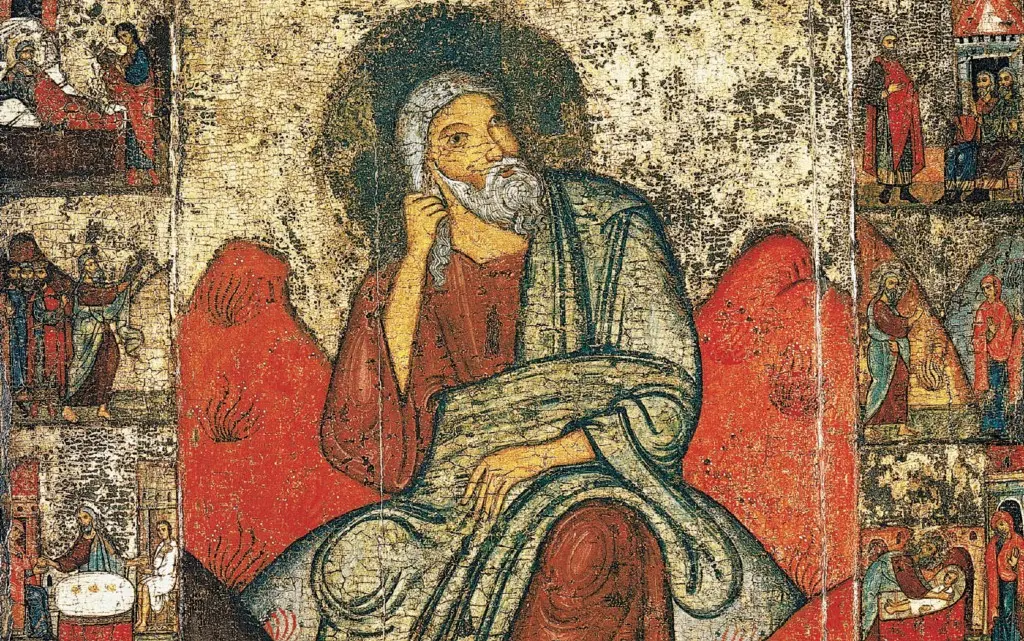
  • The 21 film, A Testament to Faith and Sacrifice

    “The 21” is not just a film; it is an unflinching testament to the resilience of the human spirit, the power of faith in the face of unimaginable suffering, and the enduring legacy of courage. This harrowing yet profoundly moving account of the 21 Christian migrant workers murdered by ISIS on a Libyan beach in 2015 serves as both a historical record and a deeply personal tribute to those who gave their lives for their beliefs.

    The Brutality of Extremism

    In the early 21st century, ISIS embarked on a campaign of terror across North Africa, seeking to eliminate anyone they deemed unworthy of existence—particularly Christians. Among their most vulnerable targets were Egyptian Coptic Christians, many of whom had fled economic hardship in Egypt only to encounter unspeakable violence abroad. In December 2014, seven Coptic Egyptians were captured while attempting to return home. Just days later, another 13 were seized during a raid on their housing complex.

    Alongside them was Matthew, a Ghanaian Christian whose inclusion among the captives would become one of the story’s defining moments. When offered release due to his nationality, Matthew refused, declaring that he shared the same God as the others. His decision elevated the group from 20 to 21—a symbolic number imbued with spiritual significance.

    Torture and Triumph

    For weeks, the captors subjected these men to psychological and physical torment, hoping to break their resolve. They were forced into grueling labor, pulling heavy bags of wet sand under scorching suns, beaten when they faltered, and deprived of sleep. Yet, despite the brutality, their faith only deepened. One night, as they prayed together in unison—”Lord, have mercy”—an extraordinary event occurred: the ground shook violently, striking fear into the hearts of their captors. Whether this seismic tremor was divine intervention or mere coincidence remains open to interpretation, but its impact was undeniable—it underscored the steadfastness of the prisoners’ convictions.

    Even more chilling were reports of strange apparitions witnessed by ISIS fighters along the beach where the executions were filmed. Figures cloaked in black, wielding swords, seemed to walk among the condemned. Others rode horses, evoking imagery reminiscent of biblical prophecy. These phenomena unsettled the executioners, accelerating their plans to carry out the murders before something far worse befell them.

    Final Moments of Courage

    On February 15, 2015, ISIS released a five-minute video showing the brutal beheading of the 21 Christians. Each man faced death with quiet dignity, uttering prayers to God until their final breath. Their killers hoped to instill terror, but instead, they created martyrs whose names now echo through history. None of the victims wavered, even when given opportunities to renounce their faith in exchange for freedom. Their refusal stands as a powerful rebuke to extremism, a reminder that true strength lies not in violence but in conviction.

    Recognition on the Global Stage

    It is worth noting that The 21 , in its animated form, has been recognized for its artistic and emotional depth. The film was shortlisted for the Animated Short Film category at the 97th Academy Awards , standing alongside some of the world’s most exceptional works in animation. This acknowledgment highlights not only the film‘s technical excellence but also its ability to convey profound themes of faith, sacrifice, and humanity in a way that resonates universally.

    Lessons Learned

    “The 21” challenges us to reflect on what it means to stand firm in our values, even when doing so comes at great personal cost. It forces us to confront the darkest aspects of humanity while simultaneously illuminating the light that persists within even the bleakest circumstances. At its core, this story is about unity—not just among the 21 men themselves, but also among all people who reject division and embrace compassion.

    Matthew’s choice to join the Coptic Christians exemplifies this theme of solidarity. By declaring himself one of them, he transcended national boundaries and demonstrated that faith can unite individuals across cultures and backgrounds. His act of selflessness reminds us that we are all connected, bound by shared hopes, fears, and aspirations.

    “The 21” is a haunting yet hopeful narrative that demands our attention. Through its raw depiction of suffering and sacrifice, it invites viewers to grapple with questions of identity, morality, and purpose. While the events depicted are undeniably tragic, they also serve as a call to action—a reminder that the fight against intolerance requires vigilance, empathy, and courage. As we remember the 21 men who perished on that fateful day, let us honor their memory by striving to create a world where such atrocities never occur again. Their deaths may have been senseless, but their legacy endures as a beacon of hope and resilience in an often-dark world.