Category: Economy

  • EU demands respect after Trump’s Greenland tariff threat

    EU demands respect after Trump’s Greenland tariff threat

    EU demands respect after Trump’s Greenland tariff threat

    Extraordinary Brussels summit underscores Europe’s red lines on sovereignty and economic coercion, while raising fresh questions about the future tone of transatlantic ties.

    EU leaders used an extraordinary summit in Brussels to send a blunt message to US President Donald Trump: Europe expects “cordial and respectful” dealings, especially after a crisis in which Trump threatened punitive tariffs linked to Greenland. The immediate confrontation eased after a NATO-brokered Arctic security framework was announced, but European officials signalled they are ready to defend sovereignty and markets—potentially with the EU’s powerful Anti-Coercion Instrument.

    Speaking after the emergency meeting, European Council President António Costa framed the issue as one of principle and method. “We believe that relationships between partners and allies should be managed in a cordial and respectful way,” he said, warning the EU would defend its interests “against any form of coercion,” according to a report by Euronews.

    European Commission President Ursula von der Leyen struck a similar note, presenting unity as the bloc’s main leverage. She said the EU had been “successful” in pushing back against territorial claims by being “firm, non-escalatory and most importantly very united,” Euronews reported. At the same time, she urged Europeans to strengthen economic resilience, diversify supply chains and reduce vulnerabilities in key sectors.

    A five-day crisis, then a fragile pause

    The episode—described by European diplomats as a near-brink moment—was defused when Trump backtracked and opted for a longer-term arrangement on Arctic security brokered by NATO Secretary General Mark Rutte. Yet details of that framework have not been released, feeding suspicion in several capitals that the political clash could reappear in another form.

    Leaders privately worried that a rapid escalation—tariffs met with countermeasures—could cause wider economic damage and complicate coordination on security priorities, including continued efforts to end Russia’s war against Ukraine. The relief in Brussels, however, came with a message: deterrence matters, and so do predictable rules between allies.

    Greenland’s sovereignty and the people at the centre

    Danish Prime Minister Mette Frederiksen drew the clearest line. Denmark is prepared to discuss matters related to Greenland with Washington, she said, but sovereignty is “off the table”—a “red line”—and “our democratic rules cannot be discussed,” according to Euronews.

    Greenland is an autonomous part of the Kingdom of Denmark with self-government established under the Self-Government Act framework. Any discussion about the island’s future also inevitably raises questions of democratic legitimacy and self-determination—especially for Greenlanders themselves, whose political agency can be sidelined when great-power competition dominates the headlines.

    For EU officials, that is not a rhetorical point. If territorial questions are even hinted at through economic pressure, it touches core European norms: sovereignty, the rule of law, and the right of peoples to decide their own future without coercion.

    The Anti-Coercion Instrument: Europe’s sharpest trade deterrent

    Before Trump’s reversal, the Commission began preparing potential responses in case tariff threats moved from rhetoric to action. Among the options discussed was using the EU’s Anti-Coercion Instrument, which entered into force in late 2023 and is designed to deter and—if needed—counter third-country “economic coercion.”

    The tool is intentionally broad. It can, in principle, target multiple areas at once—from trade in goods and services to investment flows, public procurement and intellectual property—while still operating within defined EU procedures and a “last resort” logic.

    The European Times has previously explored how this mechanism is meant to work in practice and why it matters for Europe’s economic security in an earlier explainer on the Anti-Coercion Instrument. The same debate is now returning in real time: how to remain non-escalatory, but credible, when pressure tactics appear at the edge of allied diplomacy.

    What this crisis reveals about the transatlantic relationship

    At its core, the Brussels summit was less about tariffs alone and more about trust. EU leaders signalled they want to preserve transatlantic cooperation, but not at the cost of normalising threats—territorial or economic—against a member state and its autonomous territory.

    The crisis has also revived a longer-running discussion in Europe: strategic resilience. Von der Leyen’s call to diversify supply chains and reinforce “economic power” fits a broader EU shift toward reducing single-point dependencies, alongside debates on industrial policy, defence cooperation, and the balance between openness and protection.

    As The European Times has reported in other contexts, Europe’s push to deepen its own capacity—whether in security or industrial policy—has become a recurring theme in Brussels. (See, for example, our coverage on strengthening defence cooperation in European politics.)

  • Romanian Patriarchate: We pay taxes and do not enjoy privileges

    Romanian Patriarchate: We pay taxes and do not enjoy privileges

    Romanian Patriarchate: We pay taxes and do not enjoy privileges

    The press service of the Romanian Patriarchate issued a statement in response to media reports accusing the Orthodox Church of a privileged position and non-payment of taxes, while at the same time benefiting from significant state aid coming from taxpayers. The Romanian Church responds that these allegations are untrue and that it pays all taxes and fees for religious organizations provided for by law. It is also reported that for 2024 the Church has allocated 73 million euros for social activities, which does not include the charitable work of parishes and monasteries at the local level. Increasing its taxes would negatively affect the Church’s ability to fulfill its social mission. More specifically, the press service statement reads:

    “In relation to materials that have recently appeared in the media, which wrongly suggest that the Romanian Orthodox Church does not pay taxes or benefits from unjustified privileges, the Romanian Patriarchate makes the following clarifications in order to correctly inform public opinion:

    The Romanian Orthodox Church, as well as any other religious cult recognized in Romania, pays taxes in accordance with the current legislation, including tax on buildings and land used for business activities, tax on salary income and other due fees, in accordance with the Tax Code and the rules applicable to religious cults.

    Regarding the National Cathedral – from the beginning of its construction until today, all taxes and fiscal contributions related to the payment of labor to workers at the construction site of the cathedral complex have been paid, as well as the corresponding VAT rates on the construction materials used – amounts that are returned to the Romanian state through the usual fiscal mechanism.

    The exemption from Taxation of buildings designated as temples and belonging to officially recognized religious cults is provided for by law and exists in most democratic countries, with the aim of facilitating the public service that the Church provides to the community.

    The Romanian Orthodox Church is one of the most significant social benefactors in Romania. In 2024, the Church invested nearly 73 million euros in social and charitable activities, supporting 867 social institutions and services, which directly benefited over 363,000 people through various material and humanitarian support programs.

    These philanthropic contributions do not include the many activities carried out by parishes and monasteries at the local level in support of vulnerable people – such as food, clothing, assistance to poor families, the elderly, the sick or the disabled. Although not financially accounted for at the central level, these activities constitute a permanent reality of the Church’s social ministry. Through the social and philanthropic assistance network, managed by the Association “Philanthropy” – the non-governmental organization of the Romanian Patriarchate, implements projects to assist the elderly, the homeless, families in difficulty, maternity and family centers, social kitchens, palliative care and social reintegration services, as well as special programs for people with complex social needs.

    Therefore, the Romanian Orthodox Church pays taxes and fees, like any other recognized religious cult in Romania, while remaining the largest philanthropist in Romanian society through the socio-philanthropic programs implemented annually and through the funds invested directly from the own contributions of the faithful and from funds intended for social service. This socio-philanthropic activity would be really and negatively affected by the increase or introduction of additional taxes and fees, as the final beneficiaries of the social assistance programs would be the direct victims.

    “Simplified statements about how much “the state could receive” if certain temples were taxed differently ignore the current legal framework and the real social role of recognized religious cults. The Romanian Orthodox Church reaffirms its commitment to contribute responsibly and transparently to the well-being of Romanian society, in accordance with the spirit of the law and the values ​​of the Christian faith.”

  • Understanding The Dynamics Of The European Economy – A Comprehensive Overview

    With the European economy facing various challenges and opportunities, it’s vital for you to grasp its intricate mechanics. By submerging into the current state of the market, you will unveil key trends, economic drivers, and potential risks that could impact your investments and financial decisions. This comprehensive overview will equip you with the knowledge required to navigate this complex economic landscape effectively.

    The Structure of the European Economy

    A vast and intricate network of industries and services characterizes the European economy. Each country contributes its unique strengths while the union as a whole benefits from the diverse capabilities of its members. You will find that dominant sectors vary from one nation to another, but some overarching industries remain significant across the entire continent. The prominence of sectors such as manufacturing, technology, finance, and agriculture reflects Europe‘s multifaceted economic landscape. Understanding these key industries is vital to grasping the larger picture of Europe’s economic performance and resilience.

    Key Industries and Sectors

    The services sector stands out as the powerhouse of the European economy, accounting for approximately 70% of total employment. This dynamic sector encompasses a wide array of areas including finance, tourism, and information technology. The exceptional focus placed on innovation and high-value services contributes immensely to the economic stability and growth of various nations. At the same time, the manufacturing sector plays a significant role, particularly in countries like Germany and Italy, which are renowned for their engineering and automotive industries. This blend of services and manufacturing creates a balanced economic structure that is both resilient and adaptable.

    The Role of Manufacturing and Services

    To fully appreciate the European economy, it is vital to understand the interplay between manufacturing and services. The manufacturing landscape is not only critical for job creation but also for driving technological advancements and strengthening industrial competitiveness. You should note that countries such as Germany lead with a strong emphasis on high-tech manufacturing and engineering, setting standards that are emulated by others. On the other hand, the services sector continually evolves, heavily influenced by digital transformation, as businesses leverage technology to offer improved services.

    Role of these sectors is interdependent, where efficient manufacturing processes often support service innovations. The synergy between them facilitates a stable economic environment, propelling growth and enabling the EU to maintain its position as a central player in the global economy. You can see how shifts in one area can significantly impact the other, highlighting the importance of both sectors in maintaining robust economic health and adaptability to changing dynamics.

    Economic Policies and Regulations

    While the European economy is a complex tapestry woven from various member states, its underlying economic policies and regulations play a significant role in shaping overall performance. The policies are designed to foster stability, promote growth, and ensure equitable distribution of resources across the bloc. You may find it helpful to analyze specific elements of these policies in greater detail by exploring the European Economic System | Overview & Sectors – Lesson. Such knowledge will empower you to grasp how different sectors contribute to the EU’s economic health and influence your own country’s policies.

    Monetary Policy and the Eurozone

    Among the key components of the European economy is the monetary policy executed by the European Central Bank (ECB), particularly within the Eurozone. The ECB aims to maintain price stability by regulating interest rates and controlling inflation, ensuring that economic growth remains sustainable. This policy is vital as it directly affects the borrowing costs for your country, potentially impacting your personal finances, businesses, and investments. The euro serves as a common currency for 19 of the 27 EU member states, which simplifies trade and investment among those nations but also means that economic shocks in one country can ripple through the entire Eurozone, necessitating a coordinated monetary policy response.

    Fiscal Policies across Member States

    Policies implemented by individual member states provide a diverse landscape of fiscal strategies aimed at supporting local economies. Countries possess the autonomy to develop their fiscal frameworks, which includes taxation, public spending, and budget deficits. This variability can lead to significant disparities in economic performance, causing some nations to flourish while others struggle. For you, understanding these differences becomes vital as they can affect the overall stability of the European economy and, in turn, impact your own economic environment.

    Member states often find themselves in a delicate balancing act, determining the extent of public spending while complying with the EU’s Stability and Growth Pact. This pact imposes limits on budget deficits and national debt, aiming to uphold economic stability. However, the desire to stimulate growth can sometimes lead to tensions between fiscal prudence and public investment, particularly during economic downturns. As you navigate these complexities, it is vital to consider how your own country’s fiscal policies align with EU regulations and how they impact your economic landscape.

    Trade and International Relations

    Clearly, the trade landscape in Europe is a complex tapestry woven from numerous agreements and partnerships that facilitate the exchange of goods and services between nations. Understanding these dynamics is imperative for grasping how economic prosperity is achieved across the continent. The intricacies of trade agreements not only streamline processes but also set the stage for strengthening ties among nations, ultimately benefiting your local economy and expanding your options as a consumer.

    Trade Agreements and Partnerships

    Across the European Union, there are several significant trade agreements that you should be aware of, as they have monumental impacts on the economy. These agreements, whether within the EU’s Single Market or those with outside partners, help to eliminate barriers, reduce tariffs, and foster cooperation in multiple sectors. The significance of these partnerships lies in their ability to provide you with a wider variety of products at competitive prices, while simultaneously incentivizing innovation and investment in various industries.

    Impact of Brexit on the European Economy

    European economies have been significantly influenced by the consequences of Brexit. As the United Kingdom has departed from the EU, you may have noticed shifts in trade patterns, regulatory challenges, and market volatility. Importantly, the Brexit process has introduced new tariffs and customs checks affecting your purchasing power and access to certain goods. Additionally, shifts in foreign direct investment can alter the landscape of your job market and overall economic stability.

    Hence, the effects of Brexit on the European economy are profound and multifaceted. With significant trade barriers arising between the UK and the EU, you might encounter increased costs for imports and exports, making certain products more expensive. On a positive note, the change could lead to new opportunities in non-EU markets for European businesses, allowing you to engage with a broader array of goods and services than before. The ongoing adjustments call for vigilance on your part to navigate an evolving economic environment.

    Challenges Facing the European Economy

    Keep in mind that the European economy faces a multitude of challenges that can significantly impact your understanding of its dynamics. Among these challenges, two of the most pressing issues are unemployment and the intricacies of the labor market, alongside the growing economic disparities among member states. Each of these challenges affects not only national economies but also the broader European economic landscape, presenting ramifications that directly influence you and your community.

    Unemployment and Labor Market Issues

    For many European nations, high unemployment rates have become a persistent issue, particularly affecting younger generations and those in southern European countries. This situation can lead to long-term economic and social repercussions that may hinder growth and innovation. The labor market is often fragmented, revealing inadequacies in skills matching and training programs, which in turn limits the ability of individuals to find suitable employment. It is important for you to understand how these factors contribute to a cycle of unemployment and underemployment, which can have lasting effects on overall economic stability.

    Economic Disparities Among Member States

    One of the defining challenges within the European economy is the economic disparities that exist among its member states. These discrepancies create a landscape where wealth and opportunities are not distributed evenly, leading to tensions and challenges within the union. Countries such as Germany and France exhibit robust economic performance, while others struggle with high debt levels and slow growth, which leaves you to question the sustainability and fairness of the European economic model.

    Labor market issues can exacerbate these disparities, leading to a situation where certain regions experience economic stagnation while others thrive. This uneven development can hinder the potential for cohesion within the eurozone, as underdeveloped areas may lack the resources and infrastructure needed to compete on an equal footing. Understanding this complex interaction between economic policies, labor market dynamics, and regional inequalities is vital for grasping the full picture of challenges facing the European economy.

    The Impact of Technology and Innovation

    After years of steady progression, the European economy is now experiencing a significant transformation driven by technology and innovation. This evolution affects various sectors, prompting businesses to adapt and evolve in order to stay competitive in an increasingly digital landscape. By embracing emerging technologies such as artificial intelligence, blockchain, and the Internet of Things, companies enhance their operational efficiencies, improve customer experiences, and gain valuable insights from data analytics. As a result, you’ll find that organizations that invest in these technologies are better positioned to innovate and grow within their respective markets.

    Digital Transformation in Europe

    Digital transformation in Europe encompasses a wide range of initiatives aimed at modernizing industries and enhancing productivity. From small startups to large corporations, businesses are integrating digital tools to streamline processes and drive revenue generation. As a result, you may notice a surge in e-commerce, telecommuting, and digital finance, which not only expand market reach but also cater to the evolving needs of consumers. The supportive regulatory environment and funding opportunities from the European Union further accelerate this transition, fostering a culture of innovation.

    Sustainability and Green Economy Initiatives

    Any discussion about innovation in Europe inevitably leads to sustainability and green economy initiatives. The continent is at the forefront of developing environmentally friendly technologies and practices aimed at addressing climate change and reducing carbon emissions. As you engage with various sectors, you will observe a growing emphasis on sustainable business operations, renewable energy sources, and circular economy principles. These initiatives not only tackle environmental challenges but also create new job opportunities and foster economic growth.

    Considering the urgency of climate change and environmental degradation, the European Union has set ambitious targets for sustainability. Policies driven by a commitment to net-zero emissions and renewable energy adoption encourage industries to innovate and invest in green technologies. The private sector, too, is responding with innovations that range from smart energy solutions to sustainable product designs. In launching on these initiatives, you will find that businesses not only contribute positively to the environment but also align with consumer preferences for responsible and eco-friendly practices, ultimately enhancing their brand reputation and market position.

    Future Outlook for the European Economy

    Despite ongoing challenges posed by geopolitical tensions and inflationary pressures, the European economy is anticipated to navigate these issues with resilience. Analysts forecast a steady recovery, driven by pent-up consumer demand and the gradual relaxation of supply chain disruptions. You may see that sectors like technology and green energy are expected to flourish, helping to boost economic growth across the continent. As policymakers adapt to changing conditions, the emphasis on sustainable development and digital transformation positions Europe to capitalize on emerging trends moving forward.

    Predictions and Trends

    Besides the short-term fluctuations, long-term predictions indicate a shift in economic priorities throughout Europe. You might notice an increasing focus on innovation and technological advancement, particularly in artificial intelligence and renewable energy. These areas are likely to receive significant investment, creating new job opportunities and fostering a culture of entrepreneurship that encourages you to engage in the evolving market landscape.

    Strategic Opportunities for Growth

    Along with these trends, your understanding of growth opportunities can help you identify key sectors primed for expansion. The European Union’s commitment to sustainable goals will drive efforts in green technologies and infrastructure overhaul. As governments prioritize eco-friendly initiatives to combat climate change, you can take advantage of the burgeoning market in sustainable practices and clean energy.

    A multi-faceted approach to innovation and sustainability can provide you with avenues for both investment and career advancement. As the demand for renewable energy solutions and sustainable practices rises, businesses focused on these areas are likely to reap significant benefits. Additionally, keeping an eye on the digital transformation within industries such as finance, healthcare, and logistics can open doors to lucrative opportunities. By aligning your efforts with these emerging trends, you can position yourself at the forefront of the European economy’s evolution and growth.

    Conclusion

    So, as you have explored the dynamics of the European economy, it becomes clear that understanding its complexities is imperative for anyone looking to engage with this vibrant market. Your grasp of key factors such as trade relationships, regulatory frameworks, and the roles of various economic players will empower you to navigate opportunities and challenges more effectively. The interplay of national economies within the EU, along with global influences, shapes a unique environment that constantly evolves, prompting you to stay informed and adaptable.

    In your pursuit of knowledge about the European economic landscape, you have equipped yourself with insights that will serve you well. Whether you are an investor, entrepreneur, or policymaker, your enhanced awareness of market trends, fiscal policies, and economic integration will inform your decisions and strategies. Embracing this comprehensive overview allows you to not only comprehend current conditions but also foresee potential shifts, thereby positioning yourself advantageously in the ever-changing European economic sphere.

  • Top 5 Trends Shaping The Future Of The European Economy In The Next Decade

    Europe is poised for significant transformations that will reshape its economy over the next decade. As you navigate these changes, it’s crucial to understand the emerging digital landscape, the impact of climate change initiatives, and the growing importance of globalization. Additionally, shifts in demographic trends and the evolution of sustainable finance will redefine your investment and business strategies. By staying informed on these key trends, you can better position yourself for success in a rapidly evolving economic environment.

    Digital Transformation

    The digital transformation is radically changing various sectors of the European economy, accelerating advancements that you may find both exciting and challenging. As businesses increasingly adopt advanced technologies, the integration of digital solutions into everyday operations is set to redefine how you engage with markets, manage resources, and enhance customer experiences. You should expect to see a wider reliance on data analytics, cloud computing, and digital communication methods, enabling more efficient and adaptive business models in the near future.

    Rise of E-commerce

    Between 2020 and 2030, e-commerce is projected to experience exponential growth across Europe, reshaping the retail landscape you interact with daily. Shifts in consumer behavior, accelerated by the COVID-19 pandemic, have led to a sharp increase in online shopping, driving businesses to enhance their digital presence. This transformation is not limited to large corporations; small and medium-sized enterprises (SMEs) are harnessing the power of e-commerce platforms to reach larger audiences and compete effectively in a saturated market. As a result, you will likely find a wider array of products and services available at your fingertips, making the shopping experience more convenient than ever before.

    Impact of Artificial Intelligence

    With the rise of artificial intelligence (AI), you are witnessing a revolution in how businesses operate and make decisions. From chatbots providing customer service to machine learning algorithms predicting market trends, AI has the potential to enhance efficiency and productivity. Your interactions with businesses will become increasingly personalized, as AI gathers and analyzes data to tailor offerings to your preferences. However, this transformation also raises concerns regarding job displacement and the ethical implications of data usage, making it imperative for you to stay informed about the balance between technological advancement and social responsibility.

    Artificial intelligence is redefining industries by enabling automation and advancing analytical capabilities. This evolution can positively impact your experiences as a consumer but also has potential risks including privacy concerns and biased algorithms that might influence decision-making processes. As AI technology continues to develop, it is important for you to be aware of the significant changes it can bring and to advocate for practices that ensure fairness, transparency, and accountability in AI applications. Understanding these implications will empower you to navigate the future landscape of the economy more effectively.

    Sustainability and Green Economy

    Assuming you’re aware of the increasing urgency to address climate change, the push for a sustainable and green economy is set to shape the European economic landscape profoundly over the next decade. As you navigate your professional and personal decisions, understanding how sustainability will influence policy, consumer behavior, and business practices will be vital. Governments and businesses are increasingly committing to reduced emissions, greater energy efficiency, and long-term investments in sustainable practices, all of which will significantly impact economic growth and employment opportunities in various sectors.

    Renewable Energy Initiatives

    Green energy is not just a trend; it’s becoming an integral part of how Europe approaches its energy systems. You will witness significant investments in renewable sources such as wind, solar, and hydroelectric power in the coming years. The European Union has set ambitious targets to achieve a majority share of renewable energy in the overall energy mix by 2030, which means that your energy bills and consumption patterns could see a shift as countries adopt more sustainable methods. This process not only aims to reduce dependence on fossil fuels but also seeks to create jobs in the renewable sector, making it an exciting time to be engaged in energy-related industries.

    Circular Economy Practices

    Before venturing into the practical aspects of the circular economy, you should grasp its fundamental concept: moving away from the traditional linear model of ‘take, make, dispose’ to a system that emphasizes reusing, recycling, and repurposing materials. As industries and consumers alike become more aware of their environmental impact, circular economy practices will play a pivotal role in how products are designed and utilized. You will find increasing collaboration across sectors as companies strive to implement circular principles, contributing to sustainability efforts while also addressing resource scarcity.

    For instance, companies are now redesigning products to ensure they can be easily disassembled and recycled, minimizing waste and maximizing resource efficiency. You may start seeing organizations adopting leasing rather than selling products, which encourages maintenance and recycling instead of disposability. These shifts not only create cost savings for consumers but also lead to innovative business models aimed at extending the lifespan of products, which can positively impact your purchasing decisions and the environment alike.

    Demographic Changes

    There’s no denying that demographic changes will have a significant influence on the European economy over the next decade. As you navigate through these changes, you will likely face various implications related to aging populations, combined with shifts in immigration patterns and workforce diversity. These factors will not only alter the labor market dynamics but also impact consumer behavior, economic growth, and social welfare systems across the continent.

    Aging Population Challenges

    Against the backdrop of extended life expectancy and declining birth rates, many European countries are grappling with the challenges posed by an aging population. You will observe that a shrinking workforce can lead to labor shortages that stifle economic growth and increase pressure on social services to support older citizens. This demographic shift will necessitate innovative solutions for maintaining productivity while ensuring that older adults can retire comfortably.

    Migration and Workforce Diversity

    The conversation around migration yields a wealth of opportunities and challenges for the European economy. As you probe deeper into this topic, you’ll find that a diverse workforce can drive innovation and economic resilience. With countries like Germany, Sweden, and France actively encouraging immigration, you may see an influx of talent that addresses skill shortages and complements existing labor markets.

    Another key point you should consider is that immigration not only fills critical gaps in sectors like healthcare and technology but also fosters cultural diversity that can lead to enhanced creativity and business dynamics. As your community becomes increasingly diverse, challenges may emerge regarding integration and social cohesion. However, if effectively managed, this diversity can result in a more adaptable workforce poised to compete on a global scale, benefiting both businesses and the economy as a whole.

    Global Trade Dynamics

    Not only has the pandemic reshaped our day-to-day lives, but it has also significantly influenced global trade dynamics. As you explore into the future of the European economy, it is vital to understand how these shifts create new challenges and opportunities for businesses and governments alike. You can explore the factors driving these changes by visiting the Global Economic Outlook. The impact of the pandemic on the supply chain, consumer behavior, and trade policies will continue to play a pivotal role in redefining economic relationships across Europe and beyond.

    Post-Pandemic Trade Relationships

    At the heart of European trade relations is the interplay between nations that prioritize resilience in their supply chains. As countries emerge from the pandemic, you should expect a trend toward regionalization and diversification of trade partnerships. This means that many European companies will likely seek alternatives to traditional trading partners to mitigate disruptions and enhance reliability. Furthermore, increased emphasis on sustainability may prompt businesses to align more closely with partners that share similar environmental values, paving the way for innovative collaborations.

    Brexit’s Long-Term Effects

    Dynamics surrounding Brexit have profoundly impacted the European economy, particularly for the United Kingdom and its former EU partners. As you examine these effects, you will find that the separation has encouraged both the UK and EU to reconsider their trade agreements and regulatory environments. This situation has led to some uncertainty in trade relations, especially for businesses that rely on seamless cross-border operations. Your focus should be on how this new landscape has paved the way for potential realignment in global trade routes and partnerships.

    Global trade relationships are increasingly marked by the consequences of Brexit, which may have a lasting impact on industries relying heavily on trade with the UK. While some businesses in Europe may face heightened tariffs and regulatory challenges, others could seize opportunities to strengthen ties with emerging markets as they pivot away from traditional dependencies. Understanding these dynamics will be vital for you as you navigate the evolving economic landscape in the coming decade.

    Innovation and Technology

    Once again, the European economy finds itself on the brink of a technological revolution. As you look ahead to the next decade, it is clear that innovation and technology will play a pivotal role in shaping the economic landscape. With advances in areas such as artificial intelligence, biotechnology, and renewable energy, businesses across various sectors are primed to leverage these developments for enhanced productivity and sustainability. The integration of smart technologies will not only create new opportunities but also change how companies operate and interact with their customers globally.

    Startups and Entrepreneurship

    After witnessing a surge in entrepreneurial ventures, you might find it hard to ignore the growing influence of startups in Europe’s economy. These agile enterprises are defining new business models, disrupting traditional industries, and driving innovation at an unprecedented pace. Startups enriched by governmental support and investment funds are fostering a culture of creativity and risk-taking, encouraging you and other aspiring entrepreneurs to pursue your ideas and contribute to the region’s economic vitality.

    Investment in Research and Development

    Behind the scenes, significant investment in research and development (R&D) is steering the future of the European economy. Governments and private sectors alike recognize the necessity of R&D in nurturing innovation, leading you to expect a rise in collaborations between academia and industry. This synergistic effort ultimately produces cutting-edge solutions that can address pressing challenges such as climate change and healthcare needs.

    For instance, countries such as Germany and France are making deliberate strides to allocate a larger portion of their GDP towards R&D. You can see this commitment translating into substantial advancements in fields like green technologies and digital health. The emphasis on collaborative research not only enhances your competitive edge globally but also ensures sustainable growth for multiple sectors in the long term. As a participant in this evolving landscape, you can harness these innovations to impact your business and society positively.

    Policy and Regulation

    Many factors contribute to the economic landscape of Europe, and one of the most significant influences comes from the evolving policies and regulations implemented by the European Union (EU). These frameworks dictate not only how businesses operate but also how markets respond to global changes. As you navigate this landscape, it is imperative to remain informed about the policy directions that the EU takes, particularly regarding sustainability, digital innovation, and fiscal responsibility. The decisions made today will likely shape the growth trajectories of various sectors and the overall resilience of the European economy over the next decade.

    EU Economic Policies

    At the heart of the EU’s economic strategy are its policies geared toward fostering growth and ensuring stability across member states. You should pay attention to initiatives such as the European Green Deal, which aims to make Europe the first climate-neutral continent by 2050. This ambitious project not only supports the transition to renewable energy but also incentivizes innovation in environmentally-friendly technologies. Furthermore, the EU’s Recovery and Resilience Facility aims to help member states recover from economic disruptions by investing in digital and green transformations, which can open up new business opportunities for you.

    Regulation of Emerging Technologies

    Across Europe, the rapid development of emerging technologies such as artificial intelligence (AI), blockchain, and biotechnology has created a pressing need for effective regulatory frameworks. You will need to keep an eye on initiatives like the EU’s Digital Services Act and Digital Markets Act, designed to regulate tech giants and ensure fair competition. The importance of these regulations cannot be overstated; they not only aim to protect consumer rights but also promote innovation while managing associated risks. Adapting to these regulatory changes will play a significant role in determining your success in the technology landscape.

    Understanding the regulation of emerging technologies is vital for both businesses and consumers as it impacts how these innovations are developed and deployed. These regulations seek to strike a balance between fostering innovation and protecting public welfare. For instance, AI regulations may involve ethical guidelines and accountability measures to ensure that technology advancements do not lead to harmful consequences. Additionally, data privacy laws are becoming increasingly stringent, emphasizing the importance of strong security protocols. By being informed about these developments, you can better position yourself to adapt to a rapidly changing market while maintaining compliance and safeguarding your interests.

    Final Words

    Ultimately, as you contemplate the future of the European economy over the next decade, it is vital to stay informed about the key trends shaping its trajectory. From the ongoing digital transformation to the rising emphasis on sustainability, these movements will not only impact industries but will also affect job markets and consumer behaviors. By understanding these changes, you can strategically position yourself or your business to maximize opportunities and navigate potential challenges.

    Additionally, as Europe grapples with demographic shifts and geopolitical influences, your adaptability will play an important role in thriving within this evolving landscape. Engaging with these trends will empower you to make informed decisions, whether you are a business leader, investor, or simply an interested individual in the European economy. By embracing innovation and sustainability, you can contribute to a resilient future that aligns with the changing needs and values of society.

  • Navigating Economic Challenges – Lessons From The European Financial Crisis

    Over the past decade, you may have observed how the European Financial Crisis reshaped economies and exposed vulnerabilities across the continent. As you navigate your own financial landscape, there are valuable lessons to glean from this tumultuous period. Understanding the impact of government policies, the role of international cooperation, and the significance of fiscal responsibility can empower you to make informed decisions during uncertain times. Join us as we dissect these lessons and explore how they can enhance your economic resilience.

    Understanding the European Financial Crisis

    While the European Financial Crisis may seem like a distant memory, its lessons on economic resilience and stability are more relevant today than ever. The crisis, which began in 2009, exposed significant vulnerabilities in the financial systems of several European nations, ultimately leading to widespread economic upheaval. You should take the time to understand the factors that precipitated this crisis to draw valuable insights for navigating current economic challenges.

    Causes of the Crisis

    European economies faced several interlinked challenges leading up to the financial crisis, primarily stemming from the global financial downturn of 2008. Inadequate regulatory frameworks allowed for excessive risk-taking and debt accumulation, particularly in countries like Greece, Spain, and Ireland. You may find it alarming to note how high levels of public debt coupled with a lack of fiscal discipline created an unsustainable financial environment. This ultimately manifested as a sovereign debt crisis, forcing countries to seek bailouts from international entities.

    Impact on European Economies

    Among the most profound impacts of the financial crisis was the contraction of GDP in several European countries. You might be surprised to learn that nations like Greece experienced economic shrinkage of over 25%, resulting in soaring unemployment rates and significant social upheaval. The crisis led to severe austerity measures being implemented, which not only slowed down economic recovery but also sparked widespread protests and dissatisfaction among the populace.

    Consequently, the crisis devastated your financial stability and affected millions of lives across Europe. It brought forth a drastic transformation in the economic landscape, highlighting the interconnectedness of economies within the European Union. The fallout also affected global markets, leading to increased volatility and uncertainty. While the crisis exposed the vulnerabilities of some nations, it also fostered cooperation and reforms that have strengthened the European financial system for the future. You can observe that the European experience emphasizes the importance of sound fiscal policies and resilience in adapting to economic shocks.

    Key Lessons Learned

    Assuming you are navigating through the economic complexities that arise during crises, understanding the lessons from the European Financial Crisis is imperative. This crisis highlighted the importance of rigorous financial frameworks and the repercussions of fiscal negligence. As you reflect on the strategies that were employed, you might recognize that proactive measures in budgeting and spending can significantly mitigate the impact of economic downturns. Emphasizing a long-term sustainable approach to fiscal policies can create a stronger financial foundation, allowing you to better withstand future economic shocks.

    Importance of Fiscal Responsibility

    By taking a proactive stance on fiscal responsibility, you can encourage sound budgeting practices that prioritize sustainable growth over short-term gains. The European Financial Crisis underscored the need for stringent fiscal discipline, demonstrating that unchecked spending can lead to severe financial ramifications. You can draw on the lessons learned from nations that struggled with bloated debt levels, realizing that maintaining a balanced budget is not just advisable but imperative for long-term economic health.

    The Role of Monetary Policy

    Between the various tools employed during the European Financial Crisis, you should note the significance of effective monetary policy in stabilizing economies. Central banks played a pivotal role in managing interest rates and liquidity, providing a buffer against the downturn’s impacts. As you consider the complexities of monetary policy, both the successes and failures of these strategies are instructive. You have the opportunity to cultivate a deeper understanding of how monetary authorities influence economic stability through their policies.

    Importance of a well-coordinated monetary policy cannot be overstated. In situations where economic activity takes a downturn, the actions of central banks can either exacerbate or alleviate the financial strain. Their interventions, whether through quantitative easing or adjusting interest rates, directly impact lending, investment, and consumer confidence. Learning from the experiences of countries that used these tools effectively, you can appreciate the delicate balance central banks must strike to foster recovery while keeping inflation in check.

    Strategies for Economic Recovery

    Some of the most effective strategies for economic recovery during times of crisis can be drawn from the responses observed in the European Financial Crisis. These strategies often involve a combination of short-term measures aimed at stimulating the economy and long-term reforms designed to enhance structural resilience. By understanding these approaches, you can better appreciate the tools available for revitalizing economic growth in the face of adversity.

    Stimulus Packages

    Packages enacted during economic downturns play a pivotal role in safeguarding jobs and encouraging consumer spending. These financial injections often come in the form of government-funded programs aimed at boosting aggregate demand. By providing immediate relief to businesses and households, you can stimulate the economy and foster a faster recovery. Historical examples from Europe have shown that well-timed and appropriately sized stimulus packages can dramatically alter the trajectory of economic recovery.

    Structural Reforms

    Beside immediate stimulus efforts, implementing structural reforms is vital for ensuring that your economy can withstand future shocks. These reforms often focus on enhancing labor market flexibility, improving public sector efficiency, and fostering innovation. By addressing the underlying vulnerabilities exposed by a crisis, you can create a more agile economic environment that promotes sustainable growth. In particular, prioritizing education and retraining programs can help your workforce adapt to changing industry demands.

    Also, embracing structural reforms enables you to align economic policies with global trends, such as digitalization and green energy initiatives. By investing in infrastructure and promoting business competitiveness, you can create a strong foundation for long-term economic success. The key is to focus on transitional measures that enhance productivity and reduce inequality, allowing your economy not just to recover but to thrive in a post-crisis world.

    Case Studies of Success

    Unlike many narratives surrounding the European Financial Crisis, there are notable case studies of success that offer valuable insights. These examples illustrate effective strategies and policies that not only mitigated the challenges posed by the crisis but also laid a foundation for recovery and growth. Here are several case studies that stand out:

    • Germany: Showed a remarkable transformation after adopting *labor market reforms* and *fiscal discipline*, resulting in a 12% drop in unemployment by 2015.
    • Ireland: Implemented *austerity measures* alongside *proactive banking sector reforms*, giving rise to a 7.8% GDP growth in 2014.
    • Estonia: With strict *spending cuts* and a *flat tax policy*, the country rebounded from a 14% contraction in GDP in 2009 to a 4% growth by 2011.
    • Spain: Despite initial challenges, *labor reforms* and a focus on tourism helped lower unemployment rates from 26% to 14% between 2013 and 2019.
    • Portugal: Achieved a budget surplus by 2019 after relying on *structural reforms* and *export growth*, raising its credit rating from junk status to investment grade.

    Germany’s Recovery Model

    Along your exploration of recovery strategies, Germany stands out as a model worth emulating. The country introduced *labor market reforms*, which included promoting *flexible work arrangements* and investing in *vocational training*. These initiatives were pivotal in reducing unemployment and boosting economic productivity. By 2016, Germany’s unemployment rate had dropped to approximately 4.2%, showcasing the effectiveness of their recovery approach. Furthermore, Germany managed to maintain a strong *manufacturing base*, positioning itself as a key exporter in the European market.

    This success was also supported by a commitment to *fiscal responsibility*, as the government implemented strict budgetary policies that limited public spending. By focusing on *sustainable growth* rather than short-term fixes, Germany not only recovered from the economic downturn but also established a robust framework for future economic stability. The *cooperation between government and industries* further fueled innovation and competitiveness, making Germany a leading economic player in Europe.

    The Role of the European Union

    On your journey to understand economic recovery, it is crucial to look at the *impact of the European Union (EU)* in managing the crisis. The EU played a vital role by providing financial assistance and implementing stabilization measures aimed at supporting member states severely affected by the crisis. Initiatives such as the *European Stability Mechanism* and the *European Central Bank’s monetary policy* demonstrated a commitment to restore confidence in the economy. These efforts not only helped to stabilize nations in distress but also laid the groundwork for a more resilient economic framework across the EU.

    Role of the EU in providing timely *financial support* was significant, allowing countries like Greece and Portugal to undertake much-needed reforms while keeping their economies afloat. The EU’s backing ensured a coordinated approach to addressing the economic fallout, enhancing *economic governance*. Furthermore, by creating mechanisms designed to prevent future crises, the EU has been instrumental in promoting long-term economic stability within member states.

    Comparative Analysis

    To fully understand the implications of the European Financial Crisis, it is crucial to analyze the differences and similarities to other global financial downturns. By doing so, you can glean valuable insights that may apply to your own economic context. The following table summarizes key features of the European Financial Crisis compared to other financial crises worldwide.

    Comparative Features

    Aspect European Financial Crisis
    Triggering Factors High public debt, flawed banking regulations
    Response Measures Austerity measures, bailouts, quantitative easing
    Long-term Impact High unemployment, social unrest, slow recovery
    Lessons Learned Need for stronger fiscal policies, better financial regulation

    Lessons for Non-European Economies

    Against the backdrop of the European Financial Crisis, non-European economies can extract meaningful lessons to avoid similar pitfalls. One such lesson is the importance of maintaining robust fiscal management. If you prioritize prudent budgetary practices, you can mitigate the risks associated with high levels of public debt. Furthermore, implementing effective regulatory frameworks can help you prevent banking crises that may arise from unchecked lending and investment behaviors.

    Additionally, you should consider the social implications of economic policy. The crisis demonstrated that social stability is often jeopardized by severe austerity measures. By engaging in inclusive policymaking that prioritizes social welfare alongside economic growth, you can foster a more resilient economy that not only withstands shocks but also supports its citizens during challenging times.

    Future Economic Policies

    After analyzing the lessons from the European Financial Crisis, it becomes clear that future economic policies must incorporate a more balanced approach. It is crucial that you advocate for policies that do not solely prioritize fiscal austerity but also seek to stimulate growth and enhance public services. An emphasis on sustainable development can help you navigate potential economic threats while ensuring that all segments of society benefit from economic progress.

    Considering the evolving landscape of global economies, it is vital to explore innovative strategies that promote economic resilience. This includes incentivizing green technologies and industries while safeguarding social services to cushion against future crises. You should also advocate for the integration of risk management practices that can identify and alleviate vulnerabilities before they escalate into widespread economic challenges. By embracing these forward-thinking policies, your economy will be better equipped to cope with uncertainties while fostering long-term prosperity.

    Impacts on Global Markets

    All eyes turned towards the European financial crisis as its ripples spread across global markets. The interconnectedness of economies meant that challenges faced in one region had implications far beyond its borders. You experienced heightened volatility in stock markets, shifts in commodity prices, and an overall climate of uncertainty. The lessons from this crisis not only affect Europe but also serve as a reminder of the fragility of financial systems worldwide. For deeper insights, you might find A tale of two crises: Lessons from the financial crisis to … worth exploring.

    Financial Stability

    Stability in the financial sector is paramount for the overall health of any economy, as you likely witnessed during the European crisis. Banks and financial institutions faced immense pressure, with many struggling to maintain liquidity and solvency. The implications were widespread; when confidence in institutions falters, the entire global ecosystem feels the effects. This crisis underscored the importance of maintaining robust regulatory frameworks to ensure that financial institutions are resilient to shocks, fostering a sense of stability that can weather future turbulence.

    Trade Relations

    To navigate the aftermath of the European financial crisis, you need to grasp how it reshaped trade relations worldwide. Changes in consumer demand, along with supply chain disruptions, meant that countries had to reevaluate their trading partnerships. It became imperative to strengthen economic ties and invest in cooperative agreements that promote stability. By ensuring that trade flows remain strong, you can enhance your market’s resilience against future crises.

    Trade dynamics shifted significantly during this period as nations sought to protect their economies. Trade barriers were raised, and protectionist sentiments emerged, affecting global supply chains. The impact was felt in various sectors, but there were also opportunities for countries to strengthen intra-regional trade. You may find it beneficial to explore how these changes have led to a more interconnected and interdependent global economy, urging you to adapt and align your business strategies in an ever-evolving market landscape.

    Final Words

    With these considerations, you can glean valuable lessons from the European financial crisis that can help inform your own approaches to economic challenges. Understanding the interconnectedness of global markets and the implications of financial policy decisions is vital for anyone looking to navigate economic uncertainty successfully. You should remain vigilant in assessing how economic indicators, both domestic and international, can influence your financial strategy. Diversification, prudent monetary practices, and recognizing the importance of fiscal responsibility are key takeaways that can aid you in creating a resilient approach to managing your finances amidst potential economic turbulence.

    Your ability to adapt to an ever-changing economic landscape will be enhanced by drawing parallels with the experiences of European nations. Embrace a proactive mindset, stay informed about the shifts in economic policies, and assess their potential impact on your financial situation. By doing so, you equip yourself with the necessary tools to make informed decisions, mitigate risks, and seize opportunities that may arise, ultimately leading to a more secure financial future. The lessons learned from the European financial crisis serve as a guiding framework for adapting to and overcoming economic adversities that may come your way.

  • Sustainable Growth – How The European Economy Is Adapting To Climate Change

    You are witnessing a transformative era as the European economy embraces sustainable growth in response to the increasing threats posed by climate change. With unprecedented challenges like extreme weather events and shifting ecosystems, countries across Europe are not merely reacting but actively innovating to adapt. From renewable energy initiatives to sustainable agricultural practices, your awareness and engagement in these developments can make a significant difference. This blog post will explore key strategies and policies that are reshaping the continent’s economic landscape, ensuring resilience in the face of climate adversity.

    The Impact of Climate Change on the European Economy

    The European economy is facing profound challenges due to the ramifications of climate change. With increasing temperatures, rising sea levels, and unpredictable weather patterns, your economic landscape is being reshaped. These environmental shifts can lead to a wide range of issues, from agricultural productivity declines to disruptions in supply chains, compelling businesses and governments to revisit their strategies. This adaptation is vital not just for environmental sustainability, but also for long-term economic resilience and growth.

    Economic Vulnerabilities

    One of the primary concerns surrounding climate change is the exposure of various sectors to significant vulnerabilities. For instance, coastlines across Europe are at risk from rising sea levels, posing threats to real estate, tourism, and local economies dependent on maritime activities. Additionally, agriculture is vulnerable to erratic weather, with potential for reduced crop yields affecting food security and pricing. These vulnerabilities not only threaten immediate economic stability but also jeopardize the future of jobs and livelihoods throughout the continent.

    Sector-Specific Implications

    Vulnerabilities are not uniform across the European economy; instead, they manifest uniquely within different sectors. The farming industry is a prime example, with changing precipitation patterns and temperatures affecting crop viability and farm productivity. Meanwhile, the tourism sector is grappling with the impacts of climate change on natural attractions, such as ski resorts facing shorter seasons and coastal areas threatened by erosion. Sectors like insurance and finance also feel the repercussions, as extreme weather events increase the risk profile for investments and properties.

    Further, the implications extend beyond immediate threats; they also present opportunities for innovation and sustainable practices. Adapting to climate change might lead you to develop or invest in sustainable technologies, boosting efficiency and compliance with emerging regulations. Industries like renewable energy can grow as the demand for greener alternatives rises, ultimately positioning your economy for positive transformation. Embracing these changes now can pave the way for a more resilient and sustainable future for all of Europe.

    Policy Frameworks Supporting Sustainable Growth

    There’s an increasing recognition across Europe that sustainable growth is a priority and a necessity for the future economy. With this understanding, various policy frameworks are being implemented to incite change and guide businesses and individuals toward more sustainable practices. These policies not only aim to combat climate change but also focus on enhancing the long-term viability of economic activities by promoting practices that harmonize with environmental needs. You can expect to see a combination of regulations, incentives, and funding aimed at encouraging innovation and reducing carbon footprints, tailored towards fostering a greener economy.

    The European Green Deal

    Before delving into specific initiatives, it’s important to note the broad commitment represented by the European Green Deal, which serves as a cornerstone of the EU‘s response to climate change. This ambitious roadmap aims to make Europe the first climate-neutral continent by 2050. It sets out a wide range of policies intended to ensure that economic growth is decoupled from resource use, and it addresses key areas such as energy efficiency, transportation, agriculture, and biodiversity. By supporting clean technologies and sustainable practices, you are presented with the opportunity to contribute to a more resilient economy.

    National Strategies and Initiatives

    For individual countries within the EU, the implementation of tailored national strategies and initiatives is crucial in achieving the overarching goals of the European Green Deal. Administrations are crafting their own frameworks to address unique challenges relevant to their regions while also aligning with EU directives. By focusing on areas such as renewable energy investments, circular economy practices, and sustainable transportation, these national efforts play a pivotal role in driving sustainable growth. You may find local incentives or programs specifically designed to promote business initiatives that positively impact the environment.

    Understanding these national strategies often reveals a commitment to fostering collaboration between public and private sectors, harnessing technology for sustainable solutions, and prioritizing education and awareness. Countries are motivated to create green jobs and invest in infrastructure upgrades that support their climate objectives, which you as a stakeholder or citizen can engage with. National governments are implementing measures that encourage eco-friendly practices in various sectors, ensuring that environmental concerns remain at the forefront of economic planning and decision-making processes.

    Innovations Driving Sustainable Economic Practices

    While addressing the complexities of climate change is a daunting task, Europe has embraced innovation as a driving force in transforming its economy towards sustainability. By harnessing technology and fostering collaboration across sectors, you can witness how new ideas and practices are reshaping traditional economic models into more resilient and environment-friendly frameworks. This adaptation not only aims to mitigate the impact of climate change but also creates opportunities for economic growth, job creation, and a healthier planet.

    Renewable Energy Technologies

    About 80% of Europe’s energy generation is projected to come from renewable sources by 2050, showcasing a significant shift from fossil fuels. Investment in wind, solar, and hydropower technologies is at the forefront of this transformation. With enhanced energy efficiency and the development of large-scale battery storage systems, you will find that renewable energy is becoming not just viable, but increasingly competitive in pricing compared to traditional energy sources. This shift is not just an environmental necessity; it is also a promising economic opportunity for businesses and governments.

    Circular Economy Models

    Economy models are evolving, driven by the need to reduce waste and promote sustainability. In a circular economy, your products, materials, and resources are kept in use for as long as possible, maximizing their value while minimizing waste and environmental impact. This approach not only conserves resources but also presents a multitude of new business opportunities. Companies are rethinking their supply chains, focusing on sustainability by designing products that are easier to repair, recycle, or repurpose, ultimately benefiting both the economy and the environment.

    A circular economy fosters innovation and collaboration among various sectors, encouraging businesses to rethink their production and consumption cycles. By investing in processes that promote recycling and reusing materials, you will not only reduce your ecological footprint but also create a competitive edge in a market that increasingly values sustainability. This model results in significant cost savings and efficiency gains while generating new jobs in fields such as recycling, refurbishment, and sustainable product design. Embracing these practices is vital for your transition towards a resilient and sustainable economic future.

    The Role of Private Sector in Adaptation Efforts

    Not only are governmental policies shaping the landscape of climate adaptation in Europe, but private sector involvement is becoming increasingly significant. Companies are aligning their operations with sustainable practices in response to climate change, recognizing that both the health of the planet and their bottom line are interconnected. As you investigate into the impacts of these corporate strategies, you will find that the shift towards sustainability is not merely an ethical consideration, but a competitive advantage in today’s market.

    Corporate Sustainability Commitments

    Any organization that aims to thrive in the current economic climate must consider its corporate sustainability commitments. Many companies are making bold promises to reduce their carbon footprints and integrate environmentally friendly practices into their operations. These commitments often include adopting renewable energy sources, minimizing waste, and enhancing supply chain transparency. By doing so, they not only improve their reputation among consumers who are increasingly eco-conscious but also position themselves as leaders in their sectors.

    Investment in Green Technologies

    Investment in green technologies plays a vital role in enabling companies to adapt effectively to climate change. Businesses are realizing that allocating funds towards innovative solutions can yield significant long-term benefits, both environmentally and economically. In the context of your organization’s strategy, increasing capital expenditures in renewable energy, energy efficiency measures, and sustainable agriculture practices can lead to reduced operational costs while contributing to a healthier planet.

    Commitments to investing in green technologies demonstrate a proactive approach to sustainability. By leveraging advances in areas such as solar energy, electrification of transportation, and smart agricultural practices, your organization can reduce reliance on fossil fuels and limit greenhouse gas emissions. As these technologies evolve, you can benefit from cost savings and increased operational resilience while contributing positively to climate adaptation efforts. The ongoing shift towards green investments signals a transformative opportunity for businesses to not only address climate change but also enhance their competitive position in an increasingly eco-conscious marketplace.

    Social Implications of Climate Adaptation

    Your understanding of the social implications of climate adaptation is imperative as it shapes how communities navigate the challenges posed by climate change. The European Union has recognized the need for comprehensive strategies to facilitate this transition. As outlined in an EU Strategy Seeks to Step up Global Engagement on Climate Adaptation, governments and organizations are beginning to implement initiatives that consider both economic and social dimensions. This includes addressing issues such as inequality, access to resources, and participatory governance, which are increasingly relevant in the context of climate adaptation.

    Job Creation in Green Sectors

    For many communities, adapting to climate change is providing new opportunities, particularly in job creation within green sectors. As industries pivot towards sustainability, there is a burgeoning demand for skilled workers in renewable energy, energy efficiency, and sustainable agriculture. These sectors not only aim to reduce environmental impact but also provide you with potential career pathways that could contribute to long-term economic stability. By investing in education and training programs, local governments can empower their workforce to meet these emerging needs, truly redefining the labor landscape.

    Community Resilience Strategies

    Along with economic adaptation, social resilience strategies are vital for communities facing climate change. These strategies focus on enhancing social networks, promoting local decision-making, and developing robust infrastructure to withstand climate impacts. Engaging community members in planning processes fosters a sense of ownership and responsibility towards climate adaptation initiatives. By establishing strong ties within the community, the collective ability to respond to climate-related challenges strengthens, leading to a more cohesive society.

    Strategies aimed at enhancing community resilience include fostering partnerships between local governments and residents, increasing access to climate education, and developing disaster preparedness plans that prioritize at-risk populations. Improved communication and collaboration among community members are beneficial for building a supportive environment where everyone can contribute to and benefit from climate adaptation efforts. Furthermore, strategically investing in green spaces, sustainable transportation, and affordable housing solutions can help create a more resilient and equitable community, enabling you to face the social implications of climate change with confidence.

    Case Studies of Successful Adaptation

    Many European nations have taken proactive steps to adapt to climate change, demonstrating that sustainable growth is achievable through strategic initiatives. Here are some significant case studies showcasing successful adaptation strategies:

    • Netherlands: The Dutch government has invested over €22 billion in flood management projects since 2010, focusing on innovative rainwater management and coastal defenses. The Room for the River program has restored natural floodplains, protecting over 2 million people.
    • Germany: Through the National Adaptation Strategy, Germany has implemented climate-resilient agriculture practices, improving crop yields by 15% in areas previously affected by drought.
    • Sweden: Sweden has increased its urban tree canopy by 30% since 2015, significantly enhancing urban air quality and reducing heat island effects during summer months.
    • United Kingdom: The UK’s Climate Change Act has led to a 40% reduction in greenhouse gas emissions since 1990, while investing in renewable energy sources, resulting in over 800,000 jobs in the green economy.
    • Denmark: The Danish city of Copenhagen aims to become carbon neutral by 2025. The city has implemented innovative drainage systems that prevent flooding, protecting over 100,000 people during heavy rainstorms.

    Leading European Nations

    Around the continent, countries such as the Netherlands, Germany, and Sweden set the stage for adaptation to climate change while ensuring economic viability. Your focus should be on their integration of green technology and sustainable policies that demonstrate how environmental and economic interests can align to produce positive outcomes. For instance, the Netherlands’ strategic investment in flood management not only protects property but also enhances recreational areas, boosting local economies.

    Furthermore, Germany’s emphasis on climate-resilient agriculture illustrates a model that can be replicated in your locale. This initiative reduces vulnerability to climate impacts, ensuring food security while maintaining the robustness of the agricultural sector. Recognizing effective policies across these leading nations can inspire your journey towards sustainable adaptation.

    Best Practices and Lessons Learned

    Adaptation measures are most effective when tailored to specific regional needs and contexts. By analyzing the detailed actions taken by successful nations, you can glean valuable insights and actionable strategies for your own community. For instance, urban farming initiatives not only provide food security but also create green spaces, improving mental health and community cohesiveness.

    With the successful implementation of various adaptation techniques across Europe, you are in a position to embrace innovative practices. Learning from successful case studies will allow you to understand the necessity of involving local stakeholders in decision-making processes, which can enhance resilience and ensure that policies are well-received and effectively executed. As these nations continue to set benchmarks, leveraging their experiences will guide your efforts towards not just surviving climate change but thriving in a sustainable, eco-friendly economy.

    To wrap up

    Conclusively, as you explore the landscape of sustainable growth in the European economy, it becomes evident that adaptive strategies are paving the way for a more resilient future. You should recognize that the integration of climate change considerations into economic planning is not merely a trend but a necessary evolution. By prioritizing renewable energy, sustainable agriculture, and circular economy principles, Europe is not just responding to an immediate challenge; it is laying down a blueprint for long-term prosperity that aligns economic health with environmental stewardship.

    As you engage with this transformation, consider how your choices and actions can further support these initiatives. By advocating for sustainable practices in your own life and encouraging policy changes that favor ecological balance, you contribute to a collective movement that, ultimately, benefits both the economy and the planet. Embracing climate-conscious behaviors empowers you to be part of a larger narrative, where individual responsibility combines with policy innovation to foster a thriving, sustainable future for all.

  • The Importance Of SMEs In The European Economy – Driving Growth And Innovation

    It’s imperative for you to understand that Small and Medium Enterprises (SMEs) play a vital role in the European economy, acting as the backbone of its growth and innovation. You might be surprised to learn that these businesses account for a significant portion of employment and economic output across the continent. By fostering entrepreneurship and promoting diverse ideas, SMEs contribute not only to job creation but also to local economies and sustainable practices, ultimately shaping the future landscape of Europe.

    The Role of SMEs in Economic Growth

    The importance of small and medium-sized enterprises (SMEs) in fostering economic growth cannot be overstated. These businesses serve as the backbone of the European economy, accounting for a substantial share of economic activity and contributing to a diverse range of industries. By encouraging innovation and competition, SMEs play a pivotal role in enhancing productivity and driving sustainable growth. As you examine the landscape of SMEs, you will notice their unique ability to adapt quickly to market changes, respond to consumer needs, and bring fresh ideas to fruition, all of which are vital for maintaining a dynamic economy.

    Contribution to GDP

    Beside generating jobs, SMEs significantly contribute to the gross domestic product (GDP) of Europe. They are responsible for approximately 55% of total GDP in the region, making them important players in economic stability and growth. You will find that the diversity and innovation offered by SMEs drive not only traditional sectors but also emerging industries such as technology, green energy, and digital services. As these businesses thrive, they produce a ripple effect, fostering further economic activity and contributing to a more robust economic environment.

    Job Creation and Employment Opportunities

    By harnessing their agility and innovative spirit, SMEs are instrumental in creating new job opportunities across various sectors. In fact, they account for around 70% of all jobs in the European Union. This remarkable statistic highlights the direct impact SMEs have on employment levels and local communities. Through your efforts to support and nurture these enterprises, you can directly contribute to reducing unemployment and enhancing the overall standard of living.

    Contribution of SMEs to job creation extends beyond mere numbers; they often provide more flexible, diverse, and inclusive employment opportunities compared to larger corporations. SMEs can cater to the unique needs of their local communities by offering positions tailored to various skill levels and backgrounds. This enables you to witness firsthand the benefits of increased workforce participation, which in turn lifts local economies and fosters a sense of community pride and stability.

    Innovation in SMEs

    Even though large corporations often dominate headlines when it comes to innovation, it is the small and medium-sized enterprises (SMEs) that form the backbone of the European economy, driving significant advancements in various sectors. These enterprises are often characterized by their agility and ability to adapt quickly to changing market demands. By integrating innovative practices into their business models, SMEs can enhance productivity, create unique products and services, and boost their overall competitive advantage. This innovation not only benefits individual businesses but also contributes to the broader economy by fostering job creation and encouraging a vibrant entrepreneurial ecosystem.

    Fostering Creativity and New Ideas

    To truly harness the potential of innovation, SMEs must cultivate an environment that promotes creativity and the generation of new ideas. This can be achieved through various strategies, such as encouraging employee input, collaborating with other businesses, and engaging with customers for feedback. By prioritizing open communication and flexible thinking, SMEs cultivate a culture that allows for experimentation and risk-taking. This not only inspires your team to come up with inventive solutions but also empowers you to identify and seize new market opportunities.

    Adoption of New Technologies

    An imperative aspect of innovation in SMEs is the adoption of new technologies. Embracing advancements such as automation, data analytics, and cloud computing enables small businesses to operate more efficiently and effectively. By leveraging these technologies, you can streamline operations, reduce costs, and deliver better customer experiences. Furthermore, staying updated with the latest technological trends can position your business at the forefront of your industry, ensuring that you remain competitive in a fast-paced market.

    In fact, the adoption of new technologies can greatly enhance your ability to compete against larger players. When SMEs integrate cutting-edge tools, they can not only optimize internal processes but also offer innovative products and services that meet evolving consumer demands. This proactive approach to technology allows you to consistently improve your offerings and maintain high levels of customer satisfaction, making it imperative for survival in today’s competitive landscape. By prioritizing innovation through new technology, your SME can emerge as a leader in your field, showcasing your capacity to drive growth and make a meaningful impact on the economy.

    Challenges Faced by SMEs

    Some of the most significant challenges faced by small and medium-sized enterprises (SMEs) in Europe stem from their struggle to access necessary financing. Despite their potential for innovation and growth, you may find it difficult to secure funding due to a lack of credit history or insufficient collateral. Traditional banks often focus on larger companies as lower-risk investments, leaving many SMEs to rely on personal savings or loans from family and friends. This funding gap can stunt your business development and limit the scope of your entrepreneurial ideas.

    Access to Financing

    Below, it is crucial to highlight how the lack of diversified financing options can stifle your ability to scale operations, invest in new technologies, or hire skilled labor. While there are alternative financing methods, such as crowdfunding or peer-to-peer lending, these options are still not widely adopted, and the process can be cumbersome. Thus, navigating this landscape is fundamental for you to unlock the growth potential of your SME.

    Regulatory Barriers

    Between the complex regulatory frameworks that govern businesses at various levels, you may often find yourself at a disadvantage. Navigating compliance with different regulations can be daunting, especially for SMEs that usually lack the resources to hire specialized legal counsel. This can lead to unintended violations and penalties, diverting attention and resources away from your core business activities.

    Challenges arise from ever-changing regulations that can place additional pressure on your operations. These regulatory issues can lead to increased costs as you attempt to comply with requirements, creating an environment where growth is stymied. You may also face challenges related to labor laws, tax regulations, and environmental regulations, all of which can seem overwhelming. An effective approach to address these regulatory barriers is not only understanding the existing laws but also advocating for simplified processes that benefit smaller enterprises, helping your business to flourish amidst the red tape.

    Policy Support for SMEs

    Now, as you explore the landscape of SMEs in the European economy, it becomes evident that policy support plays a significant role in fostering their growth and innovation. Governments across Europe have recognized the necessity of a robust environment conducive to the success of small and medium-sized enterprises. This is reflected in a plethora of targeted initiatives aimed at reducing regulatory burdens, providing financial assistance, and facilitating access to markets. By engaging with these policies, you can not only navigate the business landscape more effectively but also leverage the support that can significantly enhance your operations and competitiveness.

    Government Initiatives

    Among the various strategies employed by governments to support SMEs, initiatives such as streamlined regulatory frameworks stand out. These governments strive to eliminate cumbersome red tape and create a more straightforward process for establishing and managing businesses. Additionally, many nations offer tax incentives to encourage innovation and investment in technology, which can greatly benefit your enterprise. Such measures ensure that you are equipped with the necessary tools to thrive in a fast-paced economic environment, enhancing not just your productivity but also your growth potential.

    EU Funding Programs

    Government funding is another vital pillar in the support structure for SMEs in Europe. The European Union provides a variety of funding programs aimed at boosting innovation, sustainability, and market access among small enterprises. Programs like Horizon Europe, the European Regional Development Fund, and COSME are designed to help you secure financing for project development, improve your technological capabilities, and expand your market reach. By accessing these funds, you can invest in your business’s future and open doors to new opportunities that may have previously seemed out of reach.

    Further, EU funding programs are not just limited to financial support; they also frequently include training, advisory services, and support networks that can be instrumental in your growth journey. The EU recognizes the diverse challenges SMEs face, and these programs are structured to provide comprehensive assistance. It’s important for you to stay informed about these opportunities and actively seek to participate, as they can have a substantial positive impact on your business’s stability and innovation capabilities.

    Case Studies of Successful SMEs

    Keep in mind the significant impact that small and medium-sized enterprises (SMEs) have had on the European economy. Through diverse sectors, these businesses have showcased remarkable innovation and growth potential. Here are some definitive examples that illustrate the achievements and contributions of SMEs to the economic landscape:

    • Groupe Atlantic – This French SME operates in the heating and plumbing sector, reporting a revenue of €2.5 billion in 2020, showcasing effective expansion strategies within the European market.
    • Wolt – A Finnish food delivery service that grew from a startup to a €3 billion valuation within just a few years, demonstrating the importance of technology-driven SMEs.
    • Stromnetz Hamburg – An energy-focused SME that achieved a 300% increase in green energy production from 2010 to 2020, indicating a strong commitment to environmental sustainability.
    • Xiaomi – Initially started as an SME in China, its rapid expansion into Europe has led to increased employment opportunities and competition in the tech market, reporting a staggering annual revenue growth of 43% in 2021.

    These case studies illustrate how SMEs can drive innovation and contribute to the economy. For a deeper probe how SMEs can benefit from innovative support mechanisms, you can explore A new perspective for European SMEs.

    Innovative Approaches

    Studies highlight that the success of these SMEs often leans on their ability to embrace innovative approaches. For instance, many SMEs like Groupe Atlantic invest in R&D to enhance product lines, enabling them to stay ahead in competitive markets. By prioritizing innovation, these businesses not only improve their offerings but also enhance their adaptability to changing consumer preferences.

    Additionally, SMEs can benefit from leveraging advanced technology and digital transformation. By adopting strategies such as e-commerce or utilizing AI-driven analytics, companies like Wolt illustrate how incorporating innovative technology can lead to increased operational efficiencies and personalized customer experiences. This shift can ultimately contribute to sustainable growth and development within the European economic framework.

    Impact on Local Economies

    Between 2010 and 2020, SMEs accounted for over 60% of employment in many European countries, affirming their key role in shaping local economies. By fostering job creation and providing necessary services, they directly influence the resilience and growth of regional markets. For example, Stromnetz Hamburg demonstrates how a local SME’s commitment to renewable energy not only boosts its economic footprint but also ensures community engagement in sustainable practices.

    Another notable aspect of SMEs’ impact on local economies is their propensity to support local supply chains. By sourcing materials and services from local providers, they contribute substantially to the economic ecosystem, fostering collaboration and stability. This interconnectedness often leads to multiplier effects, where every job created at an SME leads to additional job opportunities in the region. Understanding and leveraging these dynamics can help you appreciate the indispensable role of SMEs in driving vibrant local economies.

    Future Trends for SMEs in Europe

    After assessing the current landscape of SMEs in Europe, it becomes evident that the future will be characterized by rapid evolution driven by technological advancements and changing market dynamics. You will see SMEs adapting to these transformations to ensure that they remain relevant and competitive. It is vital for you to understand that embracing new trends, such as digital transformation and sustainability initiatives, will not only help your enterprise survive but will also pave the way for innovative growth opportunities.

    Digital Transformation

    After delving into digital solutions, you may find that the integration of technology into your business processes is not just a preference; it’s a necessity. Digital transformation can streamline operations, enhance customer experiences, and enable you to make data-driven decisions. Engaging with cloud-based platforms, adopting automation tools, and utilizing digital marketing strategies are vital steps for you to remain ahead in an increasingly digital economy.

    Sustainability Initiatives

    SMEs are increasingly recognizing that sustainability holds significant value for both the environment and their businesses. By adopting sustainable practices, you can improve efficiencies, reduce waste, and ultimately attract a growing segment of eco-conscious consumers. Implementing green policies can also help you gain a competitive edge in your market by fostering brand loyalty and trust while reducing your operational costs.

    Indeed, as the emphasis on environmental responsibility intensifies, you may find that your commitment to sustainability can yield substantial returns. By investing in energy-efficient technologies and sustainable supply chains, you not only contribute positively to the planet but also create a resilient business model that can thrive amid changing regulations and consumer preferences. Therefore, your proactive approach to sustainability can distinguish your SME as a leader in social responsibility, which is becoming increasingly appealing to the modern consumer.

    To Wrap Up

    Upon reflecting on the significance of small and medium-sized enterprises (SMEs) in the European economy, you will realize that these businesses are vital contributors to driving growth and fostering innovation. Their adaptability and close ties to local markets enable them to respond effectively to changing consumer needs and trends. By recognizing the potential of SMEs to create employment opportunities, drive economic development, and stimulate innovation, you can appreciate how they form an integral part of the European economic landscape.

    Your understanding of the impact of SMEs helps underline the importance of supporting these enterprises through policy initiatives and financial resources. These efforts can empower SMEs to thrive, ultimately enhancing competitiveness and global standing. By encouraging the growth of SMEs, you participate in a collective movement that not only strengthens the economy but also cultivates innovation, creativity, and a vibrant business ecosystem in Europe.

  • The European Economy And Global Trade – Navigating New Challenges

    It’s necessary to understand how the European economy is evolving amidst a backdrop of global challenges. As you explore this complex landscape, you will find that factors like changing trade policies, economic shifts, and geopolitical tensions significantly impact your market strategies. By grasping these dynamics, you can better navigate the uncertainties that may affect your business opportunities. This post will equip you with the insights needed to adapt and thrive in an interconnected and rapidly changing global economy.

    The Current State of the European Economy

    Your understanding of the current state of the European economy is key to navigating the complexities of global trade. The European economy is characterized by a combination of strong industrial sectors and robust service industries, though it faces challenges such as fluctuating inflation rates and varying economic growth among member states. The uncertainty surrounding geopolitical events, like the ongoing conflict in Ukraine, alongside the effects of global supply chain interruptions, impacts business confidence and consumer spending. Additionally, Europe‘s commitment to sustainability is reshaping industries, presenting both opportunities and challenges in adapting to greener technologies.

    Key Economic Indicators

    With the Eurozone averaging a growth rate that occasionally dips below expectations, it is imperative for you to keep an eye on key economic indicators such as Gross Domestic Product (GDP), unemployment rates, and inflation figures. Recent trends show that while some countries like Germany and France are experiencing steady recoveries, others are still grappling with higher unemployment and sluggish growth. Moreover, inflation remains a significant concern, driven by rising energy prices and supply chain bottlenecks, affecting household purchasing power and overall economic stability.

    Impact of Brexit

    Any discussion about the European economy must include the long-lasting effects of Brexit. Following the United Kingdom’s departure from the European Union, trade relations have fundamentally changed, leading to increased trade barriers and costs for businesses that heavily rely on cross-border trade. Companies are reevaluating their supply chains and market access strategies to adapt to this new landscape. In regions like Northern Ireland, unique arrangements have necessitated further adjustments to maintain seamless trade with both the EU and the UK.

    Also, the impact of Brexit extends beyond trade; it has led to shifts in labor markets as businesses face shortages of workers previously filled by EU nationals. The loss of access to this labor pool can constrain growth in key industries, particularly in sectors like agriculture and hospitality, where labor demands are high. Furthermore, political uncertainty continues to loom, as negotiations around regulatory alignment and tariffs remain a contentious issue, prompting you to stay informed about potential policy changes that could reshape the economic landscape in the coming years.

    Global Trade Dynamics

    There’s no denying that the landscape of global trade is shifting as various factors influence how countries interact economically. This transformation challenges traditional trade routes, logistics, and the regulatory landscape. As you analyze the evolving global trade patterns, it’s important to recognize the key elements that are shaping these dynamics, especially as Europe navigates through discussions and negotiations that could have lasting impacts on its economy and relationships with other trade partners.

    Trade Agreements and Regulations

    Along your journey through the complexities of international commerce, you’ll find that trade agreements and regulations play a pivotal role in determining how goods and services flow across borders. These agreements can facilitate easier access to markets while establishing standards that ensure fair competition. By staying informed about changes in regulations and emerging trade agreements, you can better position your business or investments to take advantage of favorable conditions, ultimately enhancing your competitive edge in the global market.

    The Role of Emerging Markets

    On a broader scale, emerging markets are increasingly influencing global trade dynamics as their economies grow and their consumer bases expand. These markets are becoming significant players not only as production hubs but also as consumers of goods and services from developed nations like those in Europe. Understanding the intricacies of these markets can expose new opportunities for growth, allowing you to strategically engage with these regions to tap into their burgeoning potential.

    Further, it’s vital to pay attention to the economic reforms and trade policies of emerging markets, as they can directly affect global supply chains and demand for products. Engaging with these markets offers both risks and rewards; while high growth potential exists, factors such as political instability and market volatility can pose significant challenges to your operations. By approaching emerging markets with a well-researched strategy, you can exploit their expansive growth opportunities while mitigating possible risks to your investments.

    Challenges Facing European Trade

    It is necessary for you to understand that European trade is currently encountering several significant challenges that could impact its growth and stability. The interplay of global disruptions, shifts in consumer behavior, and regulatory changes have created a complex landscape for businesses. You must be proactive to navigate through this evolving environment and be aware of the challenges ahead.

    Supply Chain Disruptions

    European nations have experienced substantial supply chain disruptions in recent years, a situation exacerbated by the pandemic and ongoing global logistics challenges. Factors such as port congestion, labor shortages, and an increase in freight costs have made it difficult for businesses to maintain a consistent flow of goods. As a result, you may encounter issues related to inventory management, delivery timelines, and overall customer satisfaction.

    Geopolitical Tensions

    About the current state of European trade, it’s important to highlight the impact of growing geopolitical tensions. These tensions, stemming from issues like trade wars, sanctions, and diplomatic standoffs, can significantly affect your market access and overall economic relations. For instance, you may find your business facing sudden regulatory changes or increased tariffs that could alter the competitive landscape in favor of other global players. Keeping an eye on international relations is imperative for your strategic planning.

    In addition, the uncertainties surrounding Brexit and its aftermath continue to pose a challenge for trade between Europe and the UK. Changes in customs regulations and trade agreements can lead to unforeseen complexities. You need to stay informed and adaptable in order to mitigate risks associated with these geopolitical factors, as they can impact your supply chains and ultimately your business prospects on a global scale.

    The Digital Economy and Innovation

    Once again, the landscape of the digital economy is rapidly evolving, presenting both challenges and opportunities for businesses in Europe. As you navigate this environment, understanding how to leverage innovation and capitalize on emerging technologies becomes increasingly necessary. The digital economy isn’t just about enhancing productivity; it also fosters new business models, expands market reach, and promotes sustainable practices. The blending of traditional sectors with digital advances has the potential to redefine your approach to trade and economic growth within the European context.

    E-commerce Trends

    Any astute observer should note that e-commerce is not just a passing trend; it has solidified its position as a fundamental component of the global marketplace. As you explore these trends, you will find that consumer behavior is shifting towards more digital interactions, with mobile shopping and online services becoming commonplace. This shift presents you with incredible opportunities to engage with a larger customer base, utilize data analytics for targeting, and improve the customer experience through personalization and convenience.

    Investment in Technology

    By focusing on investment in technology, you equip your business to adapt to the ever-changing demands of the market. The right investments can enhance operational efficiency and drive innovation, allowing you to stay competitive in a global economy that favors tech-savvy enterprises. Organizations that prioritize technological advancement will benefit from improved supply chain management, automation, and access to cutting-edge solutions that can streamline processes and increase customer satisfaction.

    Even within the strategic landscape of your business, you must remain aware of the necessity for ongoing investment in technology. This commitment can pave the way for heightened productivity and profitability, enabling you to tackle the uncertainties of global trade challenges head-on. By adopting advanced technologies like artificial intelligence, blockchain, and data analytics, your business can not only respond to current trends but also anticipate future changes. Fostering a culture of innovation while carefully monitoring your technology investments can ensure you stay ahead in a landscape increasingly dominated by digital solutions.

    Sustainability and Environmental Considerations

    Despite the growing interconnectedness of global trade, there is an urgent need to incorporate sustainability and environmental considerations into your economic strategies. As you navigate new challenges, understanding the implications of sustainable practices is key to ensuring long-term viability. The push for greener solutions not only influences consumer preferences but also shapes regulatory frameworks across Europe and beyond. You must be prepared to adapt to these trends, which are becoming increasingly important for companies striving to enhance their reputation and market presence.

    Green Trade Policies

    Beside the general pursuit of profit, embracing green trade policies allows you to operate within a framework that prioritizes environmental stewardship. By adopting practices such as sustainable sourcing, ethical labor standards, and reduced carbon emissions, your business can align with the values of environmentally-conscious consumers. Furthermore, many countries are introducing incentives for companies that commit to sustainability, enhancing your competitive edge while bolstering your reputation.

    Economic Impacts of Climate Change

    Impacts of climate change are becoming increasingly apparent, affecting various sectors of the economy. As you evaluate your business strategies, it is vital to recognize that the economic ramifications can be severe, from supply chain disruptions caused by extreme weather to rising operational costs due to resource scarcity. The risks posed by climate change may also enhance regulatory scrutiny and lead to potential fines or mandated changes in business practices, which could significantly influence profitability.

    Considerations about the economic impacts of climate change extend beyond immediate financial impacts; they encompass the broader challenge of adapting to a more volatile landscape. The potential for increased costs due to extreme weather events and the need for rapid transitions to greener technologies could strain your resources. However, addressing these challenges presents opportunities for innovation and growth in sustainable markets, allowing you to lead in environmentally-friendly initiatives while mitigating risks associated with climate change. Embracing this proactive stance will not only help secure your position in the global market but will also contribute positively to the environment.

    Future Outlook for European Trade

    For you to navigate the evolving landscape of European trade, it is vital to understand the complexities brought on by current global events. The future of your economic stability relies heavily on partnerships and the ability to adapt, as highlighted in the Europe’s economic challenges discussed at the European Forum Alpbach. The potential shifts in trade policies, especially as countries reassess their economic strategies post-pandemic, are set to redefine growth trajectories across the continent. You must stay informed on how these changes may impact your operations and market access.

    Economic Recovery Post-Pandemic

    Trade dynamics are evolving as Europe seeks to recover economically from the impacts of the pandemic. You may observe a surge in demand for goods and services, which could revive established trading relationships but might also lead to increased competition among European nations. As countries strive to rebuild, there are opportunities to innovate your supply chains, using technology to streamline processes and improve resilience against future disruptions.

    Strategic Recommendations

    Economic foresight is imperative for your business to thrive in this shifting environment. You should consider enhancing your flexibility by diversifying your suppliers and tapping into emerging markets. Engaging in robust collaborations with local businesses can also help mitigate risks associated with supply chain vulnerabilities. It is crucial for you to invest in sustainable practices that resonate with the growing consumer demand for ecological responsibility, thereby positioning your brand favorably.

    European entities will need to adopt a forward-thinking mindset. By embracing innovation and digital transformation, you can unlock new avenues for growth while maintaining competitive advantages. Establishing a keen understanding of policy shifts and consumer preferences will allow you to pivot strategically, ensuring that your business is not just surviving but thriving in the vibrant post-pandemic economy.

    Summing Up

    Now that you have explored the complexities of the European economy and its position in global trade, it’s evident that adapting to new challenges is vital for maintaining competitive advantages. You are faced with a landscape marked by shifting trade policies, technological advancements, and changing consumer preferences. By being proactive in your strategies and understanding emerging trends within the EU context, you can better align your operations to seize opportunities that arise from these changes.

    Furthermore, as you navigate this intricate terrain, collaboration with both domestic and international partners is important. By fostering strong relationships and diversifying your supply chains, you can mitigate risks associated with geopolitical tensions and economic fluctuations. Empowering yourself with knowledge and staying informed about the latest developments will equip you to make informed decisions that could greatly influence your position in the global marketplace.

  • How Digitalization Is Transforming The European Economy – Trends And Insights

    It’s evident that digitalization is fundamentally reshaping the European economy, bringing both opportunities and challenges that demand your attention. As you navigate this evolving landscape, understanding the latest trends and gaining insights into how technology is influencing various sectors will be pivotal for your success. From the rise of remote work to the increasing importance of data security and innovation, you are invited to explore how these shifts affect your business landscape and your strategic choices in the European market.

    The Impact of Digitalization on European Industries

    To understand the profound shifts occurring within the European economy, it’s vital to explore how digitalization is reshaping various industries. As digital technologies advance, they enable businesses to enhance their productivity and efficiency, leading to the development of innovative products and services. This transformation is not uniform; different industries experience unique changes that come with both opportunities and challenges. You will find that industries such as manufacturing, retail, and finance are adapting to these changes, driven by the need to remain competitive and responsive to market demands.

    Manufacturing Innovations

    Along the digitalization journey, the manufacturing sector stands out as a key beneficiary of technological advancements. With the integration of smart factories and the Internet of Things (IoT), manufacturers can now monitor performance in real-time, allowing for greater operational efficiency and reduced waste. You can expect to see the rise of advanced robotics and artificial intelligence (AI) enhancing production processes, leading to a more flexible and responsive manufacturing landscape. This not only improves your company’s output but also minimizes the risk of errors and delays.

    The Rise of E-commerce

    The rapid growth of e-commerce reflects a significant shift in consumer behavior, altering the way businesses operate in Europe. The digital landscape offers unlimited access to a broader audience, enabling you to reach customers beyond your local market. With online shopping becoming a norm, you can leverage various digital platforms to enhance customer engagement and drive sales. This paradigm shift also requires businesses to evaluate their logistics and supply chain operations to ensure timely delivery and customer satisfaction.

    It’s important to acknowledge the transformative nature of e-commerce, where the shift to online platforms has created new market entrants while putting pressure on traditional retail models. As you navigate this transition, embracing strategies such as personalized marketing and data analytics will empower you to better understand your customers and refine your offerings. However, you should remain vigilant of the increased competition and the need for investments in cybersecurity, as the digital landscape also poses risks that could impact your business operations.

    Workforce Transformation

    While the digital landscape has significantly influenced the European economy, it is the workforce transformation that drives these changes forward. The advent of advanced technologies has changed the nature of work, compelling you to adapt and evolve in order to stay relevant in your industry. As industries become more reliant on digital tools, organizations are shifting their focus from traditional models to more agile and tech-savvy approaches. This transformation encourages not only the redeployment of current employees but also the infusion of new talent equipped with the skills necessary to thrive in this new environment.

    Skills Development and Training

    Beside the necessary changes in workforce composition, there is a strong emphasis on skills development and training. In your professional journey, it’s imperative that you embrace continuous learning to keep pace with the evolving technologies and methodologies. You may find that employers are increasingly investing in upskilling initiatives, allowing you to develop both hard and soft skills that are vital in a digital economy. Many organizations are providing access to online courses, workshops, and collaborative platforms where you can enhance your expertise, making you a more competitive candidate in the labor market.

    Remote Work and Work-Life Balance

    On the front of remote work and work-life balance, the digitalization promise brings both challenges and opportunities. For many of you, the ability to work remotely has offered a significant pivot in how you view your professional life, allowing for a more flexible schedule. This flexibility can, in turn, contribute to a healthier work-life balance, enabling you to dedicate time to personal commitments while maintaining productivity at work. As organizations adapt, policies that support remote working arrangements are becoming more prevalent, driving a re-evaluation of what successful work entails.

    Indeed, the shift towards remote work is leading you to confront both the advantages and potential pitfalls. On the one hand, you may enjoy the flexibility and autonomy that come with working from home, and the ability to tailor your work environment to your personal needs. On the other hand, this can lead to feelings of isolation, as social interactions become limited to virtual platforms, and the boundaries between professional and personal life may blur. To truly take advantage of the benefits that digitalization offers, fostering a healthy equilibrium in your remote work routine is paramount to your overall well-being and productivity.

    Digital Infrastructure and Investment

    You will find that digital infrastructure is a key driver of economic transformation in Europe. With enhanced connectivity and advanced networking capabilities, businesses can more effectively engage with customers and the global market. As the digital economy continues to evolve, it becomes even more crucial for robust investments in technology, especially in areas such as broadband, cloud computing, and data centers, all of which facilitate innovation and operational efficiency.

    Government Initiatives

    Before focusing on the role of the private sector, it’s important to consider the significant initiatives that European governments are implementing to boost digital infrastructure. Many countries have launched nationwide programs to ensure comprehensive internet access, aiming to bridge the digital divide and provide opportunities regardless of geographic location. These programs often include €9 billion investments in digital infrastructure projects, which promote both urban and rural connectivity.

    Private Sector Contributions

    Against this backdrop, the private sector is also stepping up to enhance digital infrastructure in Europe. Various companies are investing heavily in cutting-edge technologies and innovative solutions that improve efficiency and responsiveness. Notably, major tech firms, telecommunication providers, and startups are collaborating to deliver scalable solutions that can seamlessly integrate with government initiatives, effectively pushing forward the digital revolution.

    The impact of private sector contributions is notable, with firms driving significant growth in the digital economy. These companies are investing in areas such as 5G networks, cloud services, and AI-driven tools. As a result, they are not only enhancing connectivity but also fostering a competitive environment that pushes industries to innovate. This collaboration with governmental efforts allows for faster deployment of new technologies, further stimulating economic activity and improving overall productivity in your local ecosystems.

    Consumer Behavior Shifts

    Now more than ever, you are witnessing significant changes in consumer behavior as digitalization takes center stage in the European economy. With the ongoing shift towards online platforms and e-commerce, many consumers prefer the convenience and accessibility that digital solutions offer. However, a recent report indicates that the EU is falling short on digital transformation, which could impact overall consumer experience and engagement in the region. This transformation affects your purchasing decisions, as you increasingly rely on technology for research, comparison, and purchasing products or services.

    Online Shopping Trends

    Above all, the rise of online shopping has fundamentally altered how you make purchasing decisions. According to recent data, a significant portion of consumers in Europe now prefer buying from online stores compared to traditional brick-and-mortar shops. As digital platforms improve user experience with tailored recommendations and seamless checkout processes, your shopping habits are likely to continue evolving towards e-commerce. Retailers who adapt to these trends not only enhance their visibility but also foster greater customer loyalty, reinforcing the importance of online presence in your purchasing journey.

    The Demand for Digital Services

    Above the shift to online shopping, there is a growing demand for digital services that cater to your increasingly tech-savvy lifestyle. Whether it’s mobile banking, telehealth services, or online entertainment, digital solutions are becoming imperative for your daily activities. You may find yourself seeking out these services for their convenience, time-saving capabilities, and accessibility, which has driven many companies to innovate and expand their offerings in the digital space.

    A survey indicates that almost 60% of Europeans are more likely to utilize digital services than ever before, reflecting a broader expectation for immediate and high-quality digital interactions. As more businesses enhance their digital capabilities, the competition to attract your attention intensifies, leading to a faster adoption of advanced technologies. As a result, you can expect to see even more emphasis on personalized experiences and efficient customer service across various platforms as businesses strive to meet your demands and preferences in this evolving digital landscape.

    Challenges and Opportunities

    Keep in mind that while digitalization presents numerous opportunities for growth and innovation within the European economy, it also comes with a set of challenges that demand your attention. As organizations increasingly rely on digital platforms to operate efficiently, they are exposed to various security vulnerabilities, insufficient infrastructure, and social inequities. Navigating these challenges effectively can make the difference between merely surviving and genuinely thriving in an ever-evolving landscape.

    Cybersecurity Concerns

    After experiencing significant advancements in technology, the rise of cybersecurity threats has become a pressing issue for businesses across Europe. As you integrate more digital solutions into your daily operations, it’s crucial to invest in robust security measures to protect sensitive data and maintain the trust of your customers. Cyberattacks can lead to severe financial losses, legal ramifications, and irreparable damage to your brand’s reputation. Proactively addressing these security concerns can help safeguard your business while leveraging the benefits of digital transformation.

    The Digital Divide

    With the rapid advancement of digital technologies, a significant concern is the growing digital divide that exists across various regions and demographics within Europe. While some are reaping the benefits of digitalization, others lack access to necessary digital resources and skills necessary to compete. As you navigate this landscape, it’s important to be aware of the implications this divide poses for businesses and society as a whole. Failure to address the disparity may result in an uneven playing field, where certain sectors flourish while others struggle to keep pace.

    Even as Europe seeks to enhance its digital landscape, the digital divide can significantly hinder progress in aligning economic growth with social inclusivity. Regions with limited access to fast internet services or inadequate tech education may find it challenging to attract investments and develop a competitive workforce. Bridging this gap presents both a responsibility and an opportunity for policy-makers, businesses, and citizens alike to come together, fostering development that benefits everyone and creates a stronger, more unified digital economy.

    Future Trends in Digitalization

    Your understanding of the future trends in digitalization is vital for comprehending how the European economy will evolve in the coming years. As businesses adapt to the digital landscape, several emerging technologies will become a focal point of transformation. These technologies include artificial intelligence (AI), blockchain, and the Internet of Things (IoT), each playing a pivotal role in enhancing productivity, efficiency, and transparency across various sectors.

    Emerging Technologies

    Behind the scenes, emerging technologies are reshaping how industries operate and how consumers engage with products and services. AI is driving automation and decision-making processes, enabling companies to analyze vast amounts of data and derive insights that were previously unattainable. Meanwhile, blockchain technology is enhancing security and trust in transactions, particularly in finance and supply chain management. Furthermore, the IoT is creating a more interconnected world, where devices communicate seamlessly, leading to smarter cities and improved personal experiences.

    Predictions for Economic Growth

    Beside the technological advancements, predictions for economic growth in Europe tied to digitalization are optimistic. Experts forecast significant increases in productivity as businesses embrace these new technologies, which in turn could lead to higher GDP growth. By 2025, estimates suggest that the digital economy could contribute as much as 25% to the total GDP of Europe. This transition is expected to enhance competitiveness, encourage innovation, and create job opportunities in emerging fields.

    At the same time, you should be aware that while digitalization holds a plethora of benefits, it also presents challenges. As economies shift towards digital frameworks, issues such as cybersecurity threats and potential job displacement due to automation must be addressed. Therefore, it’s vital to remain informed about both the positive changes and the challenges that could arise as digitalization continues to evolve in the European economic landscape.

    Summing up

    Drawing together the various threads of how digitalization is reshaping the European economy, you can see that this transformation is profound and multifaceted. The trends and insights reveal a landscape that encourages innovation, enhances productivity, and fosters new business models. By leveraging data analytics, artificial intelligence, and digital platforms, companies across Europe are not only improving operational efficiencies but also enhancing customer experiences and expanding their market reach. Understanding these dynamics helps you stay informed about the shifting economic tides and prepares you for the opportunities that lie ahead.

    Moreover, as digitalization continues to evolve, your approach to adapting to these changes will be vital. Embracing digital skills, staying updated on technological advancements, and recognizing the importance of sustainability in the digital economy will position you favorably. As you navigate this landscape, you should consider how digital tools can benefit your operations, whether you are a business leader, an employee, or a policymaker. Engaging with these insights can empower you to play a part in shaping a resilient and innovative European economy.

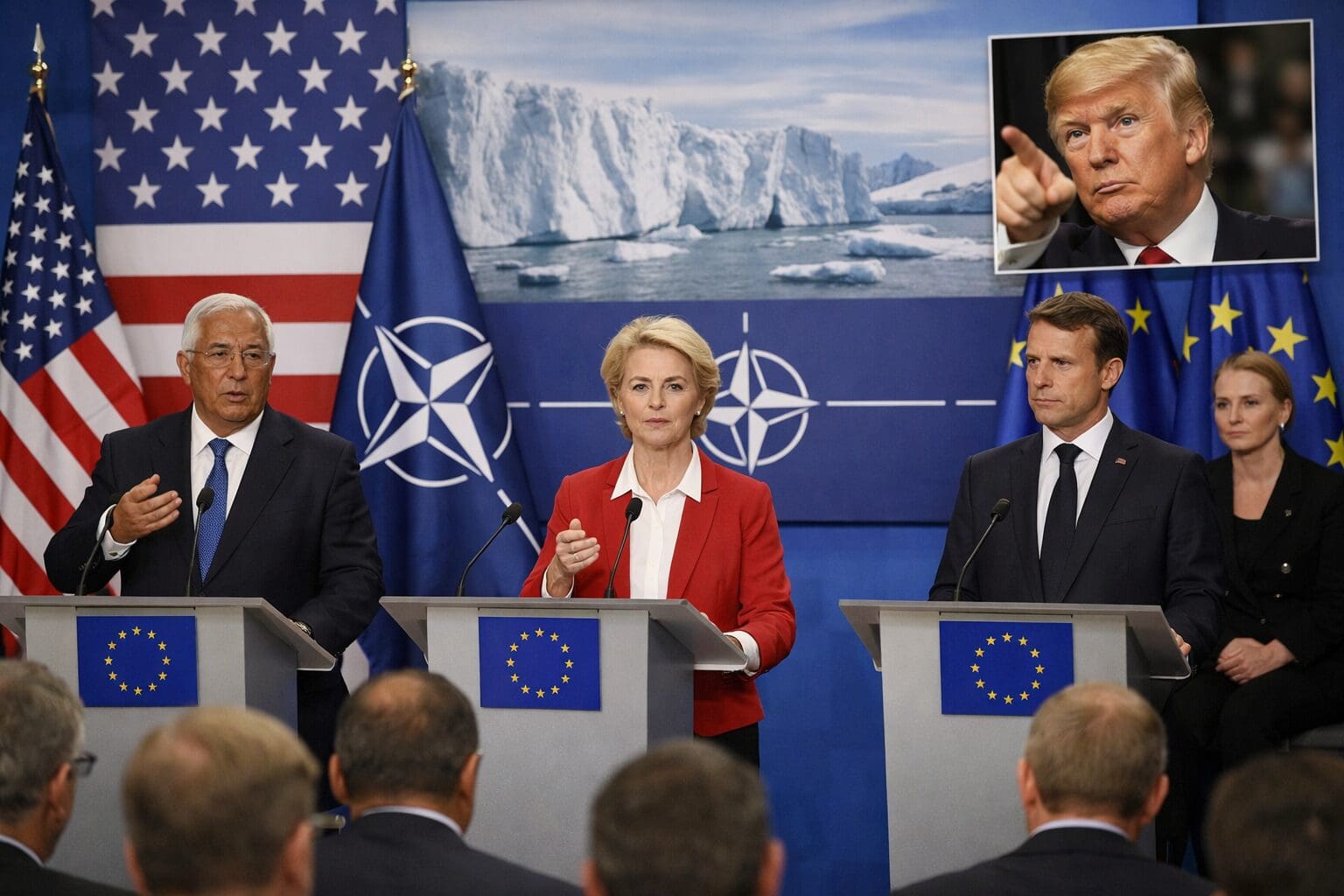
  • How New U.S. Trump Tariffs Could Affect European Businesses and American Consumers

    In a move that could significantly alter transatlantic trade dynamics, former President Donald Trump has announced intentions to impose tariffs on European imports, citing concerns over trade imbalances and the European Union’s (EU) trade practices. He described the EU’s actions as “way out of line” as reported by the BBC, and suggested that Europe could be the next target for U.S. tariffs.

    Impact on European Exporters

    European companies are expressing apprehension regarding the financial implications of the proposed U.S. tariffs. The uncertainty surrounding U.S. trade policy is prompting some businesses to reconsider investments, particularly in sectors like wind and solar energy that rely on imported components. Industries such as automotive and luxury goods are also preparing for possible tariffs, with some companies considering increasing production within the U.S. to mitigate potential costs.

    The European automotive sector, in particular, faces significant challenges. Shares of major European carmakers have experienced declines following the tariff announcements. Companies like Stellantis and Volkswagen, which have substantial operations in Mexico, saw their shares fall by 6.8% and 5.6%, respectively. Volvo Cars, Mercedes-Benz, BMW, and Porsche also reported decreases ranging from 3.6% to 6.5%. Analysts estimate that the tariffs could significantly affect the operating incomes of these manufacturers in 2025.

    Potential Effects on U.S. Consumer Prices

    For American consumers, the imposition of tariffs on European goods could lead to increased prices for imported products. Tariffs function as a tax on imports, and businesses often pass these additional costs onto consumers. This means that goods such as European automobiles, wines, and luxury items may become more expensive in the U.S. market.

    The broader economic implications are also noteworthy. Economists warn that extensive tariffs and potential retaliatory measures could exacerbate existing inflationary pressures in the U.S. The Federal Reserve’s efforts to stabilize inflation at 2% may be challenged by rising costs associated with imported goods. Recent data indicates that consumer sentiment has declined, and inflation expectations have risen, partly due to concerns over tariffs.

    Industry Responses and Strategic Adjustments

    In anticipation of the tariffs, some U.S. importers are taking proactive measures. For instance, American importers have been stockpiling Italian Prosecco to hedge against potential price increases resulting from the tariffs. U.S. imports of Italian sparkling wine, predominantly Prosecco, surged by 41% in November following Trump’s election, as importers prepared for future sales amidst tariff concerns.

    Similarly, British fashion retailers are grappling with the new tariffs imposed on Chinese-made goods. Companies like Next are exploring the possibility of establishing U.S. corporate entities to manage tariffs more effectively, while others, such as Superdry, have suspended direct shipments of China-made goods to avoid the new tariffs. These developments highlight the widespread uncertainty and operational challenges businesses face in the current trade environment as reported by the Financial Times.

    As the situation evolves, both European exporters and American consumers are bracing for the potential impacts of the proposed tariffs. While European companies assess strategies to mitigate financial losses, U.S. consumers may need to prepare for higher prices on a range of imported goods. The full extent of these effects will depend on the final implementation of the tariffs and any subsequent retaliatory measures by the EU.