Category: Human Rights

  • What is social justice and how is the UN helping make it a reality?

    The United Nations supports the principle in multiple ways, from addressing economic inequality to access to education, healthcare, and the protection of human rights, with the aim of creating a world where everyone has the opportunity to thrive.

    Social justice is for everyone, which is why the UN pays attention to the needs of particularly marginalized and vulnerable communities, such as refugees, indigenous peoples and those living with disabilities.

    Social justice encompasses a wide range of issues which are highlighted as part of World Day of Social Justice marked annually on 20 February.

    Equity, solidarity, human rights

    The UN definition of social justice is “an underlying principle for peaceful and prosperous coexistence within and among nations.” This can be interpreted as a world in which societies are based on the principles of equality and solidarity, understand and value human rights, and recognize the dignity of every human being.

    The five key principles of social justice are often defined as:

    • the recognition that different people have different needs and circumstances (equity),
    • ensuring that everyone has access to the resources and opportunities they need to succeed (access),
    • enabling all individuals to play in role in the political, economic and social life of the communities (participation),
    • protecting the human rights of all individuals (rights) and
    • valuing and respecting differences between people, such as race, gender, and sexual orientation (diversity).

    Social justice is a cornerstone of the United Nations’ mission to promote peace, security, and human rights worldwide and is enshrined in the 2030 Agenda for Sustainable Development, an international blueprint for peace and prosperity.

    The Agenda is broken down into 17 ambitious Goals, which are due to be achieved in the next five years. Some progress has been made, particularly on the reduction of extreme poverty, and improved access to essential health services, but overall they are not on track.

    However, the Goals have been useful in providing UN Member States with clear, objective targets designed to improve the lives of their citizens.
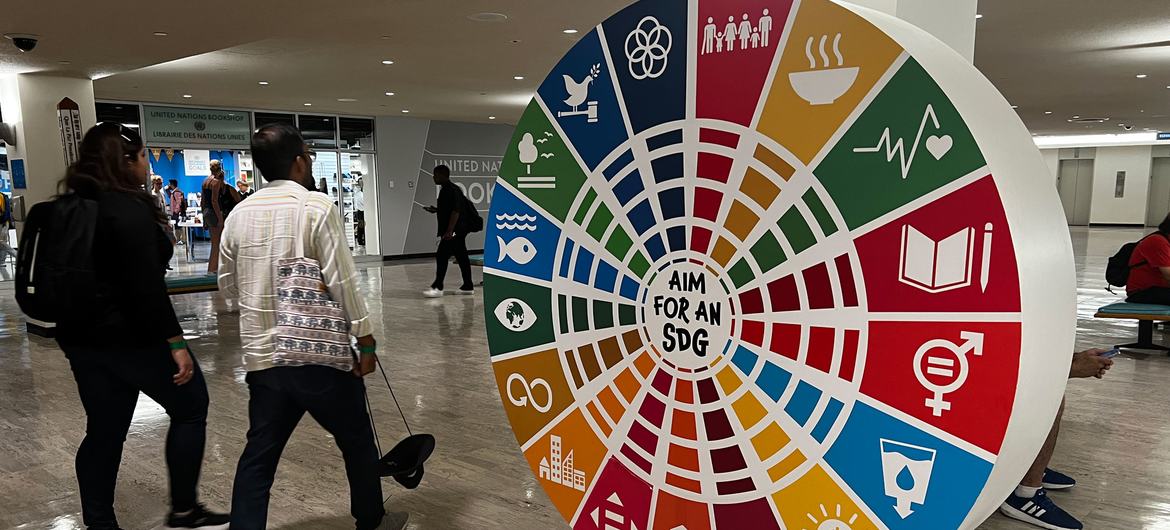
    The Sustainable Development Goals form the bedrock of social justice.

    The Sustainable Development Goals form the bedrock of social justice.

    Promoting decent work

    One of the primary ways the UN supports social justice is through the promotion of decent work and economic opportunities.

    The International Labour Organization (ILO), a specialized UN agency, plays a crucial role in this area. The ILO‘s Decent Work Agenda focuses on creating jobs, guaranteeing rights at work, extending social protection, and promoting social dialogue.

    By advocating for fair wages, safe working conditions, and the elimination of forced labour and child labour, the ILO helps ensure that workers worldwide are treated with dignity and respect.
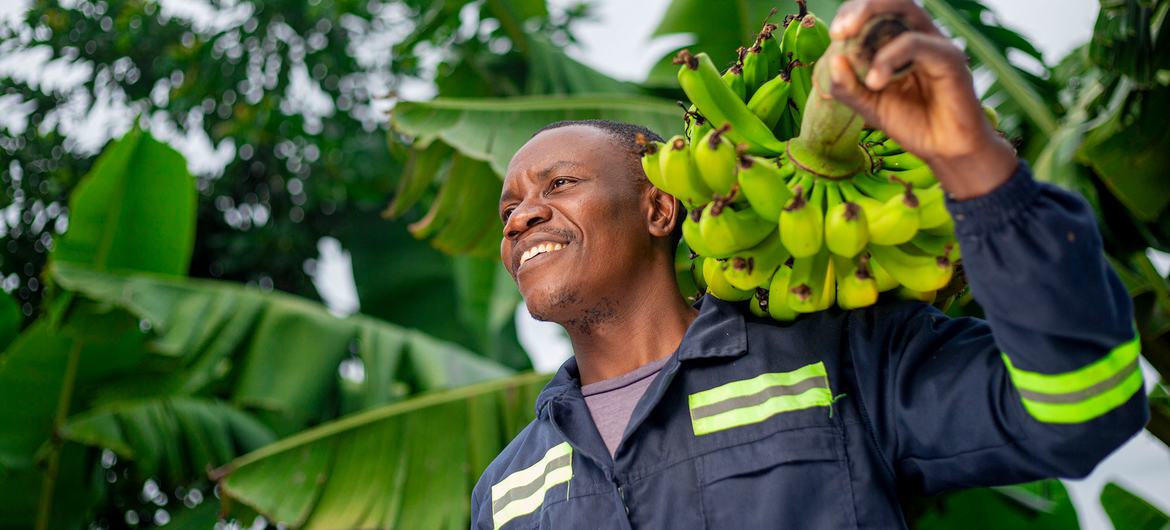
    A banana grower harvests his crop in Manicaland, Zimbabwe.

    A banana grower harvests his crop in Manicaland, Zimbabwe.

    The promotion of decent work is one of the Sustainable Development Goals of the 2030 Agenda: Goal 8 (SDG 8) calls for the promotion of inclusive and sustainable economic growth, employment and decent work for all.

    Advancing gender equality

    Gender equality is another critical aspect of social justice that the UN actively promotes. It is a fundamental human right and is critical to a healthy society.

    UN Women, the United Nations entity dedicated to gender equality and the empowerment of women, works to eliminate discrimination against women and girls, empower women, and achieve gender equality, through initiatives such as the HeForShe campaign and the Spotlight Initiative.
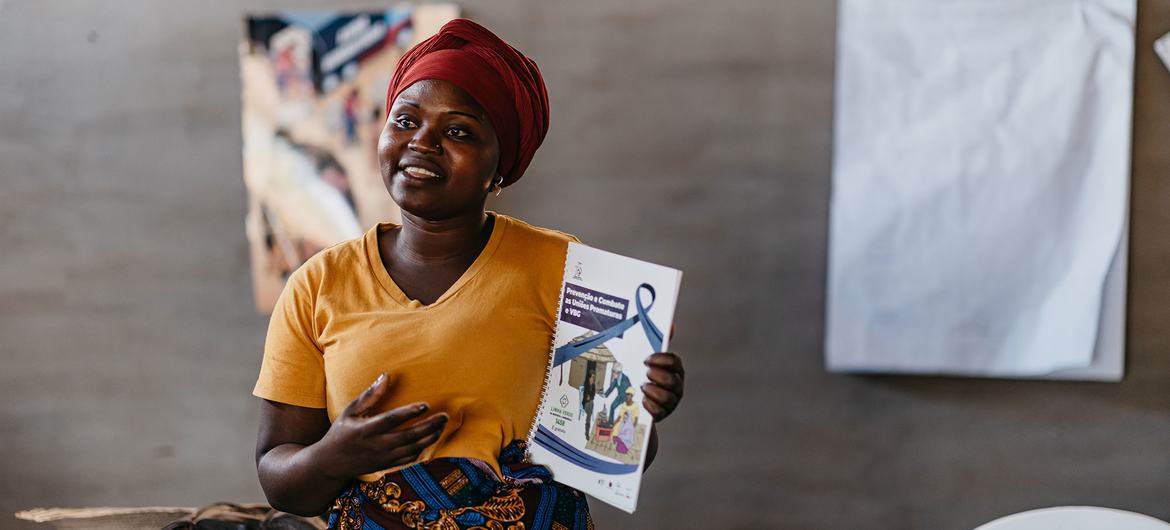
    A community activist in Cabo Delgado, Mozambique provides information on preventing child marriage and gender-based violence.

    A community activist in Cabo Delgado, Mozambique provides information on preventing child marriage and gender-based violence.

    SDG 5 calls for the achievement of gender equality and the empowerment of all women and girls: UN-backed commitments have seen declines in some problem areas, such as child marriage and female genital mutilation (FGM), but many women and girls continue to face barriers to their economic and social empowerment.

    Ensuring access to education

    Despite some recent progress in the percentage of students attaining a basic education, an estimated 300 million children and young people will still lack basic numeracy and literacy skills by 2030.
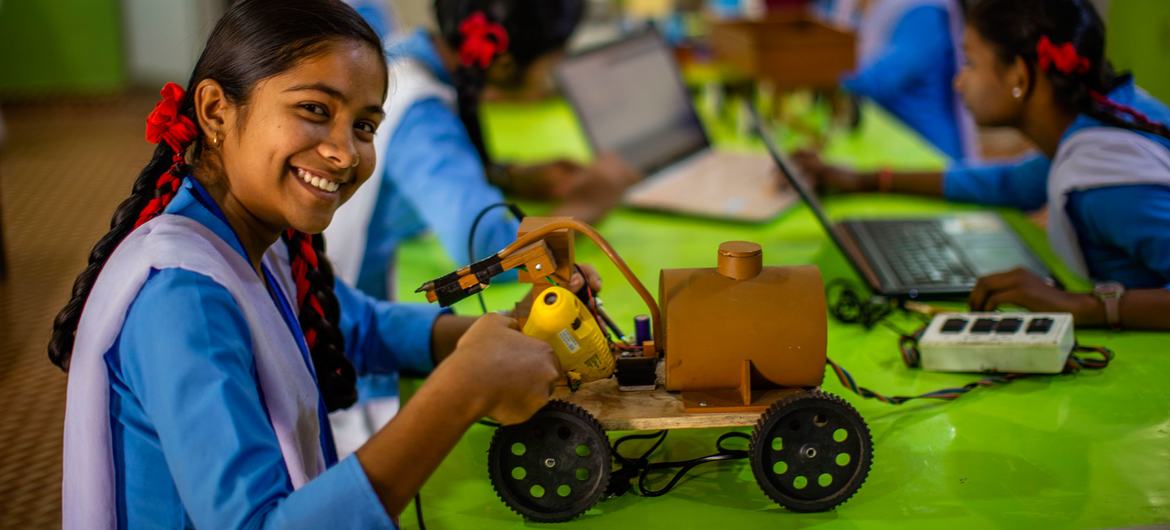
    Students in Chhattisgarh, India, attend a robotics class.

    Students in Chhattisgarh, India, attend a robotics class.

    Education is a powerful tool for reducing inequalities, reaching gender equality and achieving social justice, and the UN is committed to reaching SDG 4, which focuses on ensuring inclusive and equitable quality education and promoting lifelong learning opportunities for all.

    The UN also supports educational and training programmes aim to build tolerance, understanding, and resilience among young people, helping them become advocates for social justice.

    Protecting human rights

    The protection of human rights is at the heart of the UN’s mission, and one of its greatest accomplishments is the drafting and adoption of the groundbreaking Universal Declaration of Human Rights, which paved the way for a comprehensive body of human rights law.

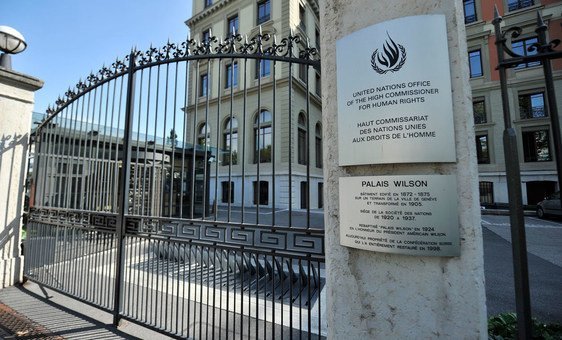
    The Office of the High Commissioner for Human Rights (OHCHR) works to promote and protect the human rights of all people, monitoring and reporting human rights violations, providing technical assistance to governments, and supporting the work of human rights defenders.

    The work of the OHCHR is crucial in ensuring that individuals can live free from discrimination, violence, and oppression.

    The SDGs focus on eliminating poverty and providing people with opportunities to prosper.

    The SDGs focus on eliminating poverty and providing people with opportunities to prosper.

    • Since 2008 World Day of Social Justice has been celebrated annually on 20 February, following a declaration by the General Assembly.
    • The Day was created as a reminder of the need to build a fairer and more equitable world, and to combat unemployment, social exclusion and poverty.
    • This year’s theme is “Strengthening a just transition for a sustainable future,” acknowledging the need to ensure that the move towards low-carbon economies benefits everyone, especially the most vulnerable.
    • The International Labour Organization (ILO) is marking the occasion with a series of events held in major cities around the world.
    Source link

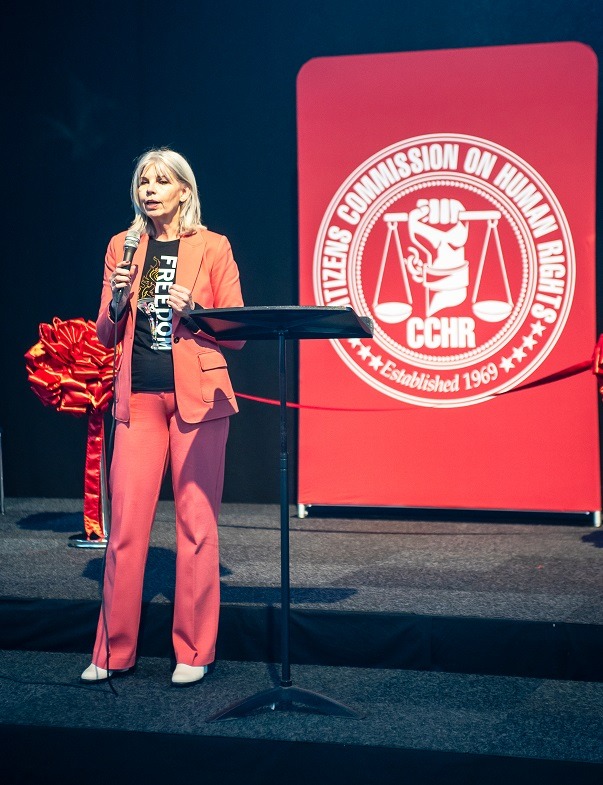
  • Scientologists Lead Human Rights Advocacy in Mental Health Through CCHR Exhibition in the Netherlands

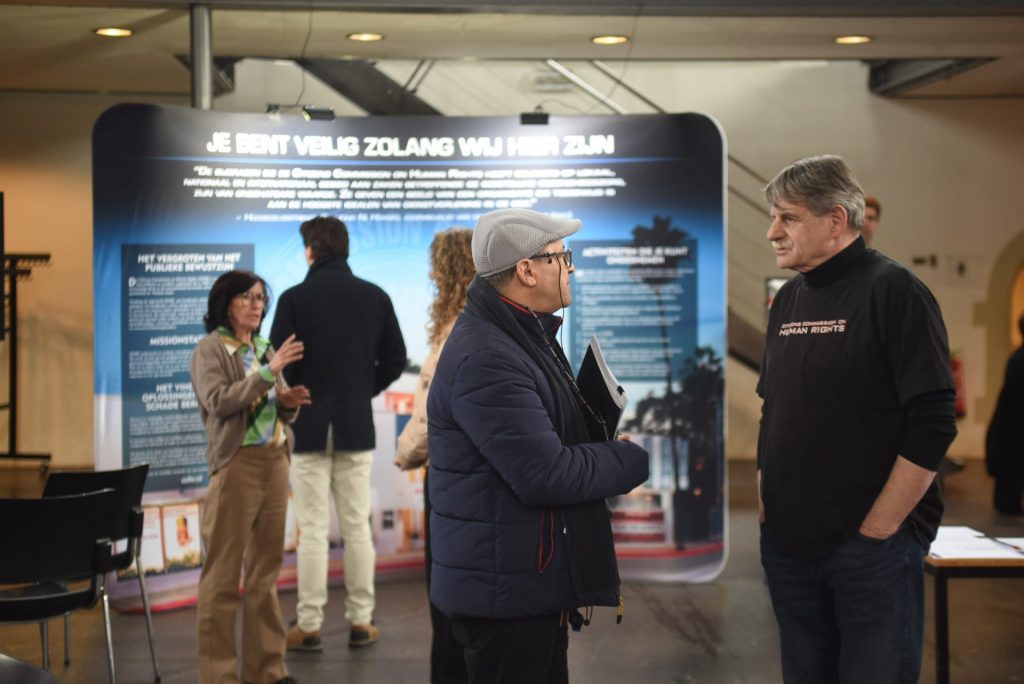
    Netherlands – February 18, 2025 – The Netherlands Committee for Human Rights Foundation (NCRM), in collaboration with the Citizens Commission on Human Rights (CCHR), successfully hosted the traveling exhibition “Psychiatry: An Industry of Death” at the Zuiderkerk in Amsterdam. This powerful event, held from February 15 to 17, shed light on historical and contemporary human rights violations within psychiatry. The exhibition, driven by the dedicated efforts of Scientologists and human rights activists, provided an eye-opening experience to hundreds of visitors.

    The three-day exhibition took place in the heart of Amsterdam, a striking contrast to a concurrent European Congress of Neurology and Neuropsychiatry, which was held in a secluded industrial area outside the city. This strategic placement of the exhibit ensured maximum public visibility and accessibility, reflecting the transparency and public engagement that CCHR stands for.

    An Eye-Opening Journey Through Psychiatry’s History

    Visitors to the exhibit were guided through interactive displays, multimedia presentations, and historical accounts that detailed psychiatry’s troubled past, from early psychiatric institutions and eugenics programs to modern-day concerns like over-medication and involuntary commitment. The powerful visuals and testimonies resonated with the hundreds of visitors who attended, ensuring that critical discussions on psychiatric practices remained in the public domain.

    The Zuiderkerk, a historic site that once served as a cemetery, added a symbolic weight to the event. The entrance porch, marked by a skull and crossbones, served as a stark reminder of the suffering endured by victims of psychiatric abuse. Volunteers ensured that CCHR’s message was visible throughout—from a balloon arch in CCHR colors to informational boards and flyers distributed on-site.

    Exposing Psychiatric Practices and Their Consequences

    The exhibition coincided with the psychiatric congress, whose program included sessions on brain stimulation techniques, including electroshock, electromagnetic induction, and deep brain stimulation via implanted electrodes. NCRM volunteers emphasized that while some neurotechnological treatments may help patients with nerve damage, psychiatry’s historical focus on biochemical imbalances and brain interventions has led to an alarming rise in psychiatric drug prescriptions, now affecting nearly 3 million people in the Netherlands.

    A key issue highlighted was the sharp increase in ADHD diagnoses and the use of Ritalin, which quadrupled after a 2005 treatment guideline heavily influenced by psychiatrists with pharmaceutical industry ties. Today, nearly 4% of Dutch youth are medicated for ADHD, despite experts pointing to social and environmental factors—such as school pressure, poverty, and screen exposure—as major contributors to behavioral difficulties.

    Stories of Strength and Survival

    A particularly moving moment came when a survivor of psychiatric institutionalization, bravely shared her experience. She recounted how she was forcibly taken from her home, denied access to her children, and placed under psychiatric incarceration, where every attempt to assert her rights was met with further drugging and control. She revealed that the only way to escape was to pretend to comply—a sentiment echoed by another visitor who had faced similar struggles.

    The official opening of the exhibition featured another powerful testimony from an expert by experience, who described her forced admission and the emotional toll it took on her. Her account deeply moved the audience, many of whom admitted they were previously unaware of the extent of such abuses in psychiatry.

    Electroshock Therapy and the Call for Reform

    A crucial topic in the exhibition was electroshock therapy (ECT), which is still performed on 1,000 patients annually in the Netherlands. Despite mounting evidence of its permanent memory loss risks and lack of proven efficacypsychiatric institutions continue its use. A controversial study on ECT in 2020 led to the following conclusion: “Given the high risk of permanent memory loss and the small mortality risk, this longstanding failure to determine whether or not ECT works means that its use should be immediately suspended until a series of well-designed, randomized, placebo-controlled studies have investigated whether there really are any significant benefits against which the proven significant risks can be weighed“. Apparently, “criticism is not or hardly getting through to the psychiatric caste” says Ivan Arjona from Scientology Europe, who has been involved since years at the UN denouncing the heavy violations of human rights. The UN Special Rapporteur on Torture even stated that forced psychiatric interventions could amount to torture when imposed without true informed consent.

    NCRM volunteers pressed the Dutch Association for Psychiatry for a response, but the association defended its adherence to existing laws and regulations rather than reconsidering its stance. This highlights the persistent institutional resistance to reform, despite growing global advocacy from the WHO and UN for a shift away from the biomedical model of mental health.

    The Role of Media in Amplifying the Message

    The exhibition’s human rights message was further strengthened by media coverage, which played a key role in bringing awareness to the broader public. Reports appeared in De Andere Krant”, an alternative Dutch newspaper with 12,000 prints, as well as in Amsterdam Daily, ensuring that the issues raised reached a wider audience. Additionally, the organisers of the exhibit drew the attention of the organizers of the concurrent psychiatry congress to some controversial issues that was to be discussed at the congress. In response to CCHR’s advocacy, the congress organisers removed two sessions on brain stimulation techniques and pharmacological treatments. This is seen as a significant victory in the fight against a one sided focus on a biomedical approach to mental health, which has the effect of overlooking key social determinants of health, such as cultural diversity, lived experience and general health issues, as well as social and environmental factors. The biomedical focus does not prioritize a holistic response, which is an international concern.

    CCHR volunteer Ogé further emphasized the importance of implementing WHO and UN guidelines that promote ethical mental health practices, highlighting CCHR’s ongoing role in shaping policies that safeguard human rights.

    A Continuing Fight for Mental Health Rights

    Since its founding in 1969 by members of the Church of Scientology, inspired by the work of L. Ron Hubbard, and psychiatrist Dr. Thomas SzaszCCHR has remained a leading voice in exposing psychiatric abuses and advocating for reforms. Through public exhibitions, legal actions, and lobbying efforts, CCHR continues to challenge the pharmaceutical industry’s influence, prevent coercive treatments, and defend the rights of individuals affected by psychiatry.

    The success of the Amsterdam exhibit is a testament to the unwavering dedication of Scientologists and CCHR activists in bringing truth and accountability to the field of mental health. As the battle for human rights in psychiatry continues, CCHR’s work stands as a beacon of hope and justice for individuals and families affected by psychiatric abuses.

  • UN rights office warns of ‘dangerous tipping point’ as abuses surge in Sudan

    In a new report, UN investigators detailed multiple attacks on civilians, healthcare facilities, markets, and schools, as well as ethnically motivated summary executions.

    “The continued and deliberate attacks on civilians and civilian objects, as well as summary executions, sexual violence and other violations and abuses, underscore the utter failure by both parties to respect the rules and principles of international humanitarian and human rights law,” said Volker Türk, UN High Commissioner for Human Rights.

    Some of these acts may amount to war crimes. They must be investigated promptly and independently, with a view to bringing those responsible to justice,” he added.

    Among its key recommendations, the report called for expanding the arms embargo and the jurisdiction of the International Criminal Court (ICC) to cover the whole of Sudan – not just the region of Darfur, where atrocities raged unchecked 20 years ago.

    Twenty-two months of brutal war

    More than 22 months of brutal fighting between Government forces and their former allied militia, the Rapid Support Forces (RSF), has left more than 30 million people across Sudan in need of assistance and protection.

    The fighting has precipitated the world’s worst displacement crisis, with over 12 million displaced from their homes, of whom 3.3 million have fled across the border.

    Food security and healthcare are also in freefall, with less than a quarter of Sudan’s health facilities functioning in areas worst hit by fighting. Nearly 25 million people are suffering from “acute” levels of hunger.

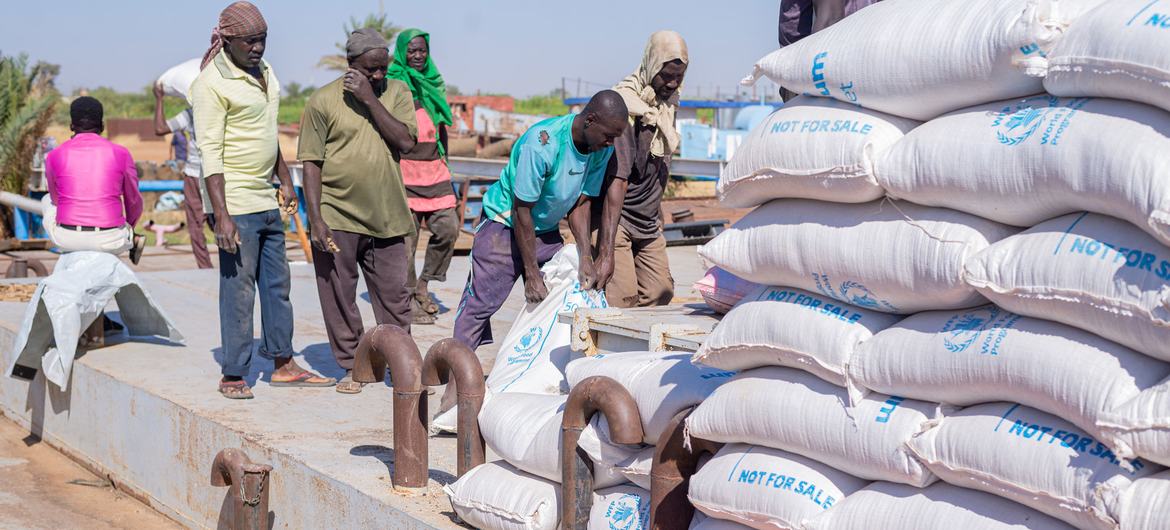
    Workers offload sacks of food aid from a barge in Sudan.

    Workers offload sacks of food aid from a barge in Sudan.

    Sexual violence a weapon of war

    The report highlighted the widespread use of sexual violence as a weapon of war, with 120 documented incidents affecting at least 203 victims. Cases are likely vastly underreported due to fear, stigma, and the collapse of medical and judicial institutions.

    All sides involved in the fighting have been responsible for violations, according to report, including widespread sexual violence.

    The persistent use of sexual violence as a weapon of war in Sudan is deeply shocking,” High Commissioner Türk said.

    “Urgent steps must be taken by the parties to put an end to it, to hold those responsible to account and provide redress for survivors,” he stressed.

    Crackdown on civic space

    The report also detailed widespread disappearances and a generalised crackdown on civic space, including killings of journalists and attacks on human rights defenders.

    At least 12 journalists were killed, two of them while in detention, and 31 were arbitrarily detained, including four women.

    In all, throughout 2024, OHCHR documented more than 4,200 civilian killings in the context of hostilities though the real number is likely much higher.

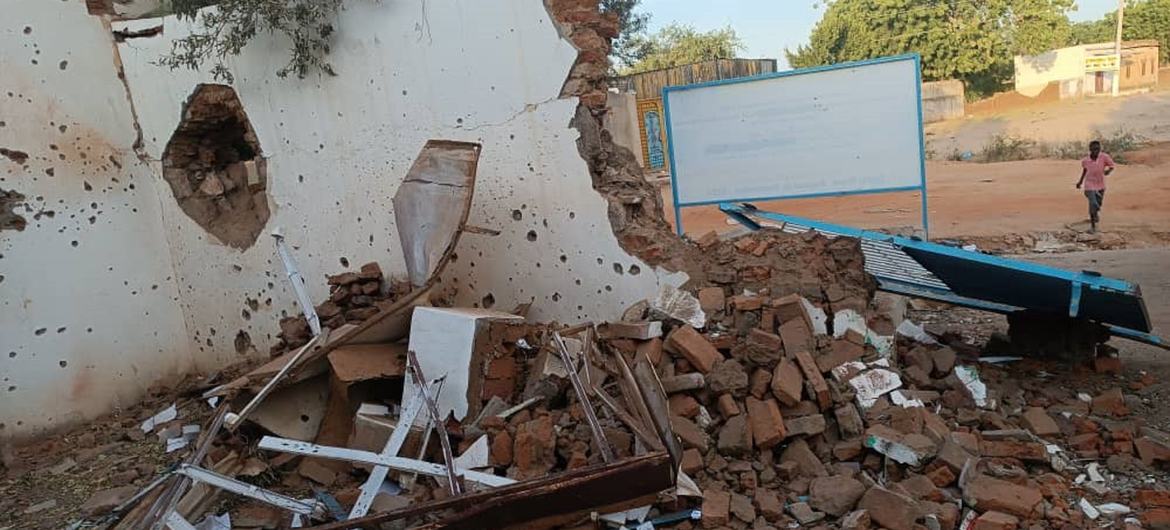
    Reamins of a health clinic that was attacked and looted, leaving thousands of women and girls without access to critical care.

    Reamins of a health clinic that was attacked and looted, leaving thousands of women and girls without access to critical care.

    A dangerous tipping point

    Li Fung, the head of the OHCHR office in Sudan, described the dire situation in Sudan as a “dangerous tipping point”.

    Speaking to journalists at the UN Office at Geneva (UNOG) via video link from Port Sudan, she underscored the need for the international community to renew the focus on human rights.

    “[The international community] must take all necessary measures to protect civilians and prevent further violations and abuses. It remains urgent to ensure critical humanitarian assistance can reach those in need,” she said.

    Together, we must stand with the people of Sudan.

    Source link

  • UN rights office condemns continuing Israeli military operation in West Bank

    Since the start of the offensive on 21 January, Israeli forces have killed at least 44 Palestinians, including five children and two women, in Jenin, Tulkarem and Tubas governorates, and four refugee camps in those areas, according to OHCHR.

    Many of those killed were unarmed and posed no imminent threat, said the UN rights office, calling the killings “part of an expanding pattern of Israel’s unlawful use of force in the West Bank where there are no active hostilities.”

    ‘Unprecedented’ displacement

    OHCHR also highlighted an unprecedented scale of mass displacement not seen in decades in the occupied West Bank.

    It cited reports from displaced residents of a pattern where they were led out of their homes by Israeli security forces and drones under the threat of violence.

    They are then forced out of their towns with snipers positioned on rooftops around them and houses in their neighbourhoods used as posts by Israeli security forces,” the office said.

    Testimonies collected by OHCHR describe Israeli forces threatening residents who were told they would never be allowed to return. One woman, who fled barefoot carrying her two young children, said she was denied permission to retrieve heart medication for her baby.

    In Jenin refugee camp, bulldozed roads were photographed with new street signs reportedly now written in Hebrew.

    “In this regard, we reiterate that any forcible transfer in or deportation of people from occupied territory is strictly prohibited and amounts to a crime under international law,” OHCHR stated.

    Legal obligations

    The office stressed that displaced Palestinians must be allowed to return to their homes and called for immediate, transparent investigations into the killings.

    “Military commanders and other superiors may be held responsible for the crimes committed by their subordinates if they fail to take all necessary and reasonable measures to prevent or punish unlawful killings,” it stated.

    OHCHR also reiterated Israel’s obligations under international law, including ending its unlawful presence in the Occupied Palestinian Territory as rapidly as possible and evacuating all West Bank settlements immediately.

    “In the meantime, as the occupying power, Israel must ensure the protection of Palestinians, the provision of basic services and needs, and the respect of Palestinians’ full range of human rights,” the office said.

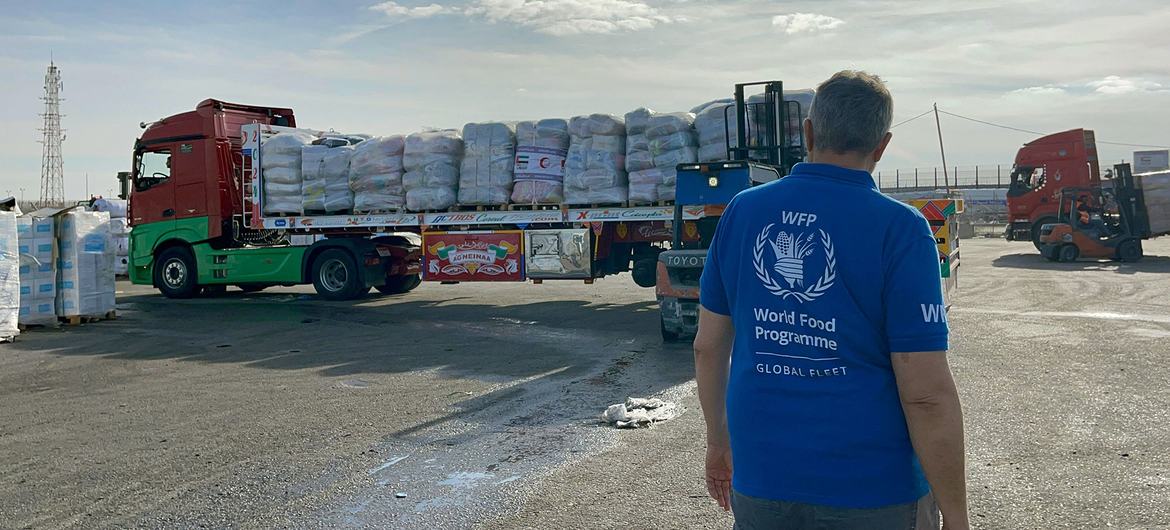
    WFP aid trucks cross into Gaza via the Zikim and Kerem Shalom border crossings.

    WFP aid trucks cross into Gaza via the Zikim and Kerem Shalom border crossings.

    Humanitarian update

    Meanwhile in Gaza, the UN World Food Programme (WFP) reported on Friday it had reached more than 860,000 men, women and children with food parcels, hot meals, bread and cash assistance since the start of the fragile ceasefire.

    UN Spokesperson Stéphane Dujarric told journalists at a regular news briefing in New York that over 19,000 metric tonnes of WFP food have entered Gaza.

    The agency has also distributed nutrition packs to some 85,000 people, including children under five, and pregnant and breastfeeding women, and provided more than 90,000 people with cash assistance in the past two weeks.

    Efforts are also underway to establish more food distribution points, especially in North Gaza, to reduce travel distances, transport costs and protection risks for families,” Mr. Dujarric said.

    Fuel deliveries, schools reopening

    In addition, the World Health Organization (WHO) distributed 100,000 litres of fuel to hospitals in Gaza City on Friday, having delivered about 5,000 litres of fuel to Al Awda Hospital, in North Gaza governorate the day before.

    In southern Gaza, education partners in Rafah are preparing for the reopening of at least a dozen schools as displaced families return to their home areas, Mr. Dujarric said.

    “As you know, schools across the Strip had been used as shelters for Palestinians displaced during 15 months of hostilities. In Khan Younis and Deir al Balah, partners are providing cleaning materials to restart learning activities,” he added.

    Source link

  • Belarus: Violations remain ‘widespread and systematic’, says independent expert group

    The Group of Independent Experts on the Human Rights Situation in Belarus established in 2024, was tasked with investigating alleged violations since 2020 – when a disputed election saw President Alexander Lukashenko returned to power for a sixth term – and recommending steps toward accountability.

    The group was established last year for a renewable period of a year. Like all independent experts appointed by the Human Rights Council, they serve on a voluntary basis, are not UN staff, receive no salary and are are independent of any government.

    In their latest findings presented to the Council, the experts documented arbitrary arrests, torture, sexual violence and the persecution of political opponents.

    The report details targeted abuses against LGBTQIA+ individuals, political activists and journalists, alongside sweeping legal changes aimed at eradicating all dissent.

    The violations, the experts concluded, are part of a widespread and systematic attack against civilians critical of the Government.

    Campaign of fear and repression

    The experts’ findings state that Belarusian authorities systematically detain critics on politically motivated charges, often subjecting them to repeated imprisonment under inhumane conditions.

    Arrests are frequently carried out using excessive force, together with threats and intimidation.

    Detainees report being beaten, subjected to electric shocks, and even threatened with rape – not only against themselves but also against their family members.

    The regime’s actions go beyond repression, with reasonable grounds to believe that some violations amount to “imprisonment and persecution on political grounds”, the report said.

    Torture and sexual violence

    Widespread torture and ill-treatment are documented, particularly within temporary detention facilities and penal colonies.

    Men and women detained on political charges are routinely subjected to extreme conditions: some deprived of sleep, packed into overcrowded cells without basic hygiene and denied medical care.

    Many detainees describe being forced to make “repentance videos” after suffering physical and psychological abuse.

    The targeting of LGBTQIA+ individuals is particularly brutal, with security forces using homophobic slurs, beatings and sexual humiliation.

    In one instance, a transgender woman was severely beaten, threatened with rape and forced to confess to crimes she did not commit, the experts report.

    A crackdown beyond borders

    Hundreds of opposition figures, activists and journalists have been charged in absentia for alleged crimes such as “discrediting” the State. Their properties have been seized and their families in Belarus have faced harassment and intimidation.

    “The orchestrated campaign of violence and mistreatment was directed against Belarusians perceived as being critical of, or opposed to, the Government,” the experts noted.

    Conclusions show that such persecution extends beyond Belarus’s borders, leaving those in exile vulnerable and their families at home under pressure.

    Systematic persecution

    The experts determined that Belarus’s actions amount to crimes against humanity, citing imprisonment, torture and persecution on political grounds as part of a widespread and systematic attack on civilians.

    They stressed that accountability is critical, emphasising that “identifying and prosecuting perpetrators of human rights violations and crimes against humanity is key to ending Belarus’s culture of impunity and integral for the victims to receive justice.”

    Source link

  • European Church of Scientology Engages in Global Religious Freedom Advocacy at IRF Summit 2025

    KINGNEWSWIRE // Washington, D.C. – February 6, 2025 – The International Religious Freedom (IRF) Summit 2025 brought together a diverse coalition of religious leaders, human rights advocates, and policymakers to discuss global religious freedom challenges. Among the participants were the European Office of the Church of Scientology for Public Affairs and Human Rights and other Scientology representatives, which actively engaged in discussions to build partnerships and advance religious liberty initiatives.

    Circa 100 organizations participating

    The summit, co-chaired by former Ambassador-at-Large for International Religious Freedom Sam Brownback and Dr. Katrina Lantos Swett, was described as “the largest religious freedom gathering in the world, ever.” Over 90 organizations and representatives of more than 30 faith traditions participated, underscoring the growing urgency to combat religious persecution and restrictions worldwide.

    On February 5, the new USA Vice President delivered a keynote speech emphasizing the U.S. government’s commitment to protecting religious freedoms domestically and internationally, something that every US Administration is pushing since decades. He addressed ongoing global challenges, including religious persecution and government overreach restricting faith-based activities.

    There were panel discussions and plenary sessions that examined religious persecution in Syria, Nigeria, Armenia and other countries. Experts and advocates highlighted the dire conditions many religious communities face, urging governments to take stronger action to prevent discrimination and violence against faith groups.

    Additionally, the Religious Freedom Institute, in collaboration with Pepperdine University and the IRF Summit, announced the upcoming IRF Summit Africa, scheduled to take place in Kenya on June 16, 2025. The regional event aims to address religious freedom issues specific to Africa, where numerous countries grapple with sectarian violence and government-imposed restrictions on religious practices.

    In a panel moderated by Will Dobson the focus was the increasing use of digital surveillance, censorship, and transnational repression by authoritarian regimes to limit religious freedoms. Panelists warned that oppressive governments are leveraging technology to silence dissent and restrict religious gatherings.

    Church of Scientology’s Participation and Efforts Toward Collaboration

    The summit saw participation from many religious organizations, and the organizing of it saw the relentless contributions of volunteers from as many civil society partners as Church of Scientology National Affairs Office (Washington DC), the Center for Religious Studies of the Catholic University of America, Baptist groups, Bahai’s. Uyghurs, Sikhs, Yezidies Rumi, Jewish, evangelists, Giselle Lima from the Church of Scientology of Panama and many others. Among the participants was also included the European Office of the Church of Scientology for Public Affairs and Human Rights, which engaged in discussions to build further partnerships with other organizations advocating for religious liberty. Representatives from the Church of Scientology, Ivan Arjona and Eric Roux, emphasized their commitment to promoting religious tolerance and expressed interest in working with human rights groups and governments to combat discrimination against minority faiths worldwide. During the Summit they met officials from different governments and organizations, such as US State Department, Parlacen, USCIRF Chair and Commissioners, and many others. 

    As the IRF Summit 2025 wrapped up, leaders and attendees reiterated the importance of continued advocacy and collaboration to uphold religious freedoms across all regions. Many expressed hope that the discussions would translate into concrete policy changes and international cooperation.

    With the ongoing efforts EU and UN Scientology representative Ivan Arjona-Pelado paraphrased L. Ron Hubbard, insisting that it is time that “Human Rights are made into a fact and not just an idealistic dream”, and that “stakeholders must remain committed to amplifying the voices of persecuted religious communities and ensuring that faith-based freedoms are recognized and protected as a fundamental human right worldwide, including in Europe”.

  • UN rights office urges humane treatment of Israeli hostages and Palestinian detainees

    “Images of emaciated Israeli hostages and Palestinian detainees released as part of the first phase of the Gaza ceasefire agreement have been deeply distressing,” Spokesperson Thameen Al-Kheetan said in a statement

    He added that the pictures of Israeli hostages released this past weekend show signs of ill-treatment and severe malnourishment, reflecting the dire conditions they were subjected to in Gaza.

    “We are also deeply concerned by the public parading of hostages released by Hamas in Gaza, including statements apparently made under duress during release,” continued Mr. Al-Kheetan.

    Release all hostages and detainees

    Meanwhile, Palestinians released from Israeli detention have revealed similar treatment under severe conditions, described by OHCHR as distressing and cause for serious concern. 

    “Israel and Hamas must ensure humane treatment, including freedom from any form of torture or abuse, for all those held under their power,” declared Mr. Al-Kheetan.

    The spokesperson reminded all parties to the conflict that torture and other forms of ill-treatment of protected persons are war crimes. and those found guilty must receive sentences commensurate to the severity of their conduct. 

     “We reiterate that the taking of hostages is a war crime,” he said. 

    “Hamas must immediately and unconditionally release all hostages, and Israel must immediately and unconditionally release all those arbitrarily detained.” 

    Source link

  • Bangladesh protests probe reveals top leaders led brutal repression

    In addition to those killed by the former government’s security and intelligence services alongside Awami League party associates, a report by the UN Office of the High Commissioner for Human Rights (OHCHR) into the alleged crimes indicated that thousands were injured, including one youngster who was shot in the hand at point-blank range for throwing stones.

    “There are reasonable grounds to believe that officials of the former government, its security and intelligence apparatus, together with violent elements associated with the former ruling party, committed serious and systematic human rights violations,” the High Commissioner for Human Rights said.

    Speaking in Geneva, Mr. Türk highlighted that some of the gravest violations detailed in the report may constitute international crimes that could be heard by the International Criminal Court (ICC), as Bangladesh is a State party to the Rome Statute which created the tribunal in The Hague. The ICC’s foundational Statute gives it jurisdiction over genocide, crimes against humanity, war crimes and the crime of aggression (following an amendment in 2010).

    Read our ICC explainer here.

    Alleged crimes in Bangladesh against the student-led protest included “hundreds of extrajudicial killings, extensive arbitrary arrest and detention and torture, and ill treatment, including of children, as well as gender based violence”, the UN rights chief said.

    Iron grip on power

    Furthermore, these violations “were carried out with the knowledge, coordination and direction of the former political leadership and senior security officials, with a specific goal of suppressing the protests and keep the former government’s grip on power”.

    According to the OHCHR report, as many as 12 to 13 per cent of those killed were children. Bangladesh Police also reported that 44 of its officers were killed between 1 July and 15 August 2024.

    Last summer’s protests that led Prime Minister Sheikh Hasina to step down after 15 years in power were triggered by the High Court’s decision to reinstate a deeply unpopular quota system in public service jobs. But broader grievances were already entrenched, arising from “destructive and corrupt politics and governance” that spurred inequality, the UN human rights office report maintained.

    “I went to one of the hospitals in in Bangladesh when I visited, and I could talk to some of the survivors and some of them will be disabled for their lives. Especially young people…some of them were children,” Mr. Türk told journalists in Geneva, recounting his visit to Dhaka in September.

    State killings

    “The brutal response was a calculated and well-coordinated strategy by the former Government to hold onto power in the face of mass opposition,” insisted UN Human Rights Chief Volker Turk.

    “The testimonies and evidence we gathered paint a disturbing picture of rampant State violence and targeted killings, that are amongst the most serious violations of human rights, and which may also constitute international crimes. Accountability and justice are essential for national healing and for the future of Bangladesh,” he added.

    The UN human rights office probe mission started work in Bangladesh on 16 of September 2024 with a team that included a forensic physician, a weapons expert, a gender expert and an open-source analyst. The investigators visited protest hotspots including universities and hospitals. Their work was complemented by more than 900 witness testimonies.


    Source link

  • COMECE Appeals to EU for Immediate Intervention in Goma, DRC Conflict

    As the European Parliament prepares to vote on a resolution regarding the Democratic Republic of the Congo (DRC) later this week, His Eminence Mgr. Mariano Crociata, President of the Commission of the Bishops’ Conferences of the European Union (COMECE), has issued an urgent appeal to the European Union and the international community regarding the escalating humanitarian, security, and political crisis in the Democratic Republic of the Congo (DRC). This plea comes amidst mounting evidence of widespread suffering in Goma and surrounding areas, where conflict and exploitation have left millions displaced, vulnerable, and desperate for aid.

    A Catastrophic Situation in Goma

    The city of Goma, a critical hub for humanitarian assistance, trade, and transportation in eastern DRC, finds itself at the epicenter of chaos following its seizure by the M23 rebel group and its allies. According to recent United Nations figures, nearly 3,000 people have lost their lives, while over one million have been forcibly displaced within weeks. Thousands more are seeking refuge in overcrowded churches, schools, and makeshift camps, struggling to access basic necessities such as food, water, and medical care.

    Church-run institutions, which often serve as lifelines in crises, have not been spared. Reports indicate that hospitals, including the Charité Maternelle General Hospital, have come under attack, resulting in the tragic deaths of newborn babies and severe injuries to civilians. Sexual violence against women and girls is rampant, exacerbating the already dire conditions. Catholic agencies on the ground describe scenes of desperation, with healthcare facilities overwhelmed and resources stretched to breaking point.

    EU Response and Calls for Greater Action

    While acknowledging the European Union’s recent allocation of €60 million in humanitarian aid, COMECE calls for enhanced efforts to ensure that this support reaches those most in need. Ensuring unrestricted humanitarian access to conflict zones and safeguarding civilians—particularly women and children—from violence and exploitation must remain top priorities. Furthermore, partnerships with local church networks, which continue to provide essential services like education, health, and shelter, should be strengthened.

    Mgr. Crociata underscores the importance of addressing the root causes of the crisis, which include decades of resource exploitation, foreign interference, and cyclical violence. To achieve lasting peace, he advocates for political courage and diplomatic dialogue, welcoming initiatives such as the “Social Pact for Peace and Coexistence in the Democratic Republic of the Congo (DRC) and the Great Lakes Region.” Proposed by Catholic and Protestant Churches, this roadmap seeks to end violence and foster peaceful coexistence and social cohesion.

    Foreign Interference and Regional Stability

    The involvement of foreign armies and militias, notably Rwanda’s alleged backing of the M23 rebels, represents a grave violation of international law. The M23’s declared intention to expand the conflict toward the DRC capital raises alarming concerns about regional stability. In response, COMECE urges the EU and the international community to exert pressure on these actors to cease hostilities, negotiate in good faith, and respect the territorial integrity and sovereignty of the DRC.

    Moreover, the looting of natural resources, including cobalt, coltan, and gold, fuels the conflict and perpetuates cycles of violence. To combat this, COMECE calls for greater transparency in mining practices and the enforcement of due diligence frameworks along supply chains linked to Congolese minerals. Economic considerations must not undermine the EU’s commitment to upholding core values and principles.

    Targeted Sanctions and Reassessing Economic Cooperation

    COMECE encourages the European Parliament to endorse appeals for targeted sanctions against individuals and entities responsible for human rights abuses and violations of international law. Additionally, the terms of economic cooperation agreements, such as the ‘Memorandum of Understanding on Sustainable Raw Materials Value Chains,’ should be reassessed to ensure alignment with ethical standards and accountability mechanisms.

    COMECE’s Appeal for Solidarity and Justice

    In solidarity with the suffering population of the DRC, COMECE pledges to closely monitor developments on the ground and facilitate communication between the local Church and EU institutions. Through prayer and advocacy, the organization remains steadfast in its commitment to promoting justice, dignity, and lasting peace.

    As Pope Francis recently urged, resolving the conflict through peaceful means requires the collective effort of both local authorities and the international community. The EU, as a global leader in humanitarian action and human rights advocacy, bears a unique responsibility to act decisively and effectively. By prioritizing diplomacy, accountability, and collaboration, it can help transform the current tragedy into an opportunity for reconciliation and renewal in the heart of Africa.

  • Short-range drones: The deadliest threat to civilians in Ukraine

    With increasing reports of these drones striking civilians in cars, on buses and on public streets, UN monitors have raised serious concerns about potential violations of international humanitarian law.

    According to HRMMU’s latest monthly update on the protection of civilians, at least 139 were killed and 738 injured in Ukraine last month. Attacks using short-range drones accounted for almost 30 per cent of these incidents.

    “Short-range drones now pose one of the deadliest threats to civilians in frontline areas,” said Danielle Bell, Head of HRMMU.

    Terror in the skies

    The mission reports that 95 per cent of casualties from short-range drones in January occurred in territory controlled by Ukraine, with the remaining five per cent in areas occupied by Russia.

    Many of the attacks involved first-person-view drones, that is, drones equipped with real time cameras, allowing operators to identify and track their targets with precision.

    While such technology should, in theory, enable drone operators to distinguish between military and civilian targets, the UN’s findings suggest otherwise.

    Our data shows a clear and disturbing pattern of short-range drones being used in ways that put civilians at grave risk,” Ms. Bell noted.

    Deadly incidents on the frontline

    The new year brought no respite in frontline regions but rather an escalation and even expansion of the fighting.

    Casualties due to short-range drones were responsible for 70 per cent of civilian deaths in the Kherson region, which suffered the highest number of casualties.

    One of the most shocking incidents took place on 6 January, when a drone targeted a public transit bus in Kherson City during rush hour. The attack killed a man and a woman and injured eight others.

    HRMMU also recorded an increase in drone-related casualties in other frontline regions, including Kharkiv, Sumy, Dnipropetrovsk, Mykolaiv, Donetsk and Zaporizhzhia.

    First-hand account of strikes

    Survivors have described the moments leading up to these attacks with harrowing detail.

    A civilian from Mykolaiv recounted how a small drone circled above his head before diving directly at him while he was working in his home’s garden.

    “I realised that I did not have time to hide. I dropped to the ground and covered my head with my hands,” he told HRMMU.

    “The blast wave tore off all my clothes. I somehow instinctively tried to protect my eyes. This saved my eyesight, because after the drone explosion, the backs of my palms were covered with small metal fragments, which surgeons later removed. My wedding ring was so pressed into my finger that they had to saw it off to remove it from my finger,” he continued.

    A disturbing trend

    HRMMU’s data shows a sharp increase in civilian casualties from short-range drones throughout 2024, with a particularly alarming spike in the last six months.

    “The on-board cameras should allow operators to distinguish with a higher degree of certainty between civilians and military objectives”, Ms. Bell said, “yet civilians continue to be killed in alarming numbers”.

    As Ukraine’s conflict continues, UN monitors have reiterated calls for all parties to take immediate measures to safeguard civilians, in line with international humanitarian principles.

    Another scourge facing civilians across Ukraine is the vast amount of explosive remnants of war which are accumulating. Here’s what the UN is doing to help save farms from being no-go zones:

    Source link