Category: News

  • Keir Starmer Secures Historic Labour Victory, Ending 14 Years of Conservative Rule in UK

    London – In a seismic shift in British politics, the Labour Party, led by Keir Starmer, has achieved a resounding victory in the UK general election, bringing an end to 14 years of Conservative governance. The results, which had been foreshadowed by months of polling, have given Labour its strongest parliamentary majority since 2001.

    Labour secured an impressive 412 seats, far surpassing the 326 required for an absolute majority and more than doubling their 2019 performance. This landslide victory marks a dramatic turnaround for the party and signals a clear desire for change among the British electorate.

    Upon learning of his victory in his central London constituency, Starmer declared, “The people have spoken, and they are ready for change.” This statement encapsulates the mood of a nation seemingly eager to embark on a new political chapter.

    Photo credit: UK @RoyalFamily

    The Conservative Party, in stark contrast, suffered its worst defeat since its founding in 1834. The Tories lost at least 250 seats compared to their 2019 performance under Boris Johnson, ending up with a mere 121 seats. This historic collapse prompted the outgoing Prime Minister, Rishi Sunak, to apologize to “those Conservatives who have lost despite their dedication” while congratulating Starmer on his victory.

    The election also saw significant shifts for other parties. The Liberal Democrats, led by Ed Davey, emerged as the third-largest party with 71 seats, a gain of 63 from the previous election. The Scottish National Party (SNP) experienced a dramatic decline, securing only nine seats, a loss of 38 compared to 2019. Sinn Fein, the Irish republican party, maintained its seven seats.

    In a surprising development, the nationalist-populist Reform UK, led by Nigel Farage, entered Parliament with four seats, exceeding all poll predictions. The Green Party quadrupled its representation, winning four seats in total.

    Starmer’s first address as Prime Minister was filled with promises of change and renewal. “We did it!” he exclaimed, emphasizing that Britons would wake up to find “a weight has finally been lifted from the shoulders of this great nation.” He stressed the urgency of rebuilding trust in politics and committed to serving all citizens, regardless of their voting preferences.

    The new Prime Minister outlined his government’s priorities, including improving security on streets and borders, rebuilding infrastructure, and enhancing opportunities in education and employment. “Changing a country isn’t as easy as pressing a button,” Starmer cautioned, “We will rebuild the United Kingdom, brick by brick.”

    Rishi Sunak, in his farewell speech, acknowledged the clear signal for change sent by the electorate. “I have heard your anger and disappointment. I take responsibility for these results,” he stated. Sunak announced his intention to step down as Conservative Party leader, but not immediately, allowing time for a formal process to choose his successor.

    The election also marked a personal triumph for Nigel Farage, who finally won a parliamentary seat on his eighth attempt, representing Clacton-on-Sea. Farage hailed his party’s performance as “extraordinary” and vowed to fill what he sees as a “huge void in the center-right.”

    In regional developments, Sinn Fein became the largest Northern Irish party in the British Parliament for the first time, maintaining its seven seats while the Democratic Unionist Party (DUP) fell to four. In Scotland, the SNP lost its dominance, dropping from 48 seats in 2019 to just 8, with Labour making significant gains. Wales saw the Conservatives lose all representation, with Labour dominating the results.

    As the United Kingdom enters this new political era under Starmer’s leadership, the country faces significant challenges. The incoming government must address economic concerns, social policies, and perhaps most critically, work to restore public trust in the political system. The scale of Labour’s victory suggests a strong mandate for change, but the real test lies in translating this electoral success into effective governance in the years to come.
  • UK parliamentary elections: Labour heavily favoured, Rishi Sunak Faces Imminent Defeat

    ELECTIONS-Britons vote this Thursday to renew the 650 seats in the House of Commons. Polls across the UK are unanimous: Rishi Sunak is unlikely to remain Prime Minister after Friday.

    As Britons vote in Thursday’s general election, a new chapter in the country’s history is set to begin. The Conservative Party, after 14 tumultuous years in power, is facing severe unpopularity.

    The question now is not whether the Conservatives will lose, but by how much Labour will win and the extent of Rishi Sunak’s defeat, as he has failed to gain any significant momentum after 20 months in office. Approximately 46 million voters are expected to cast their ballots to renew the 650 seats in the House of Commons. Each MP is elected through a single-member district plurality voting system. Polling stations will be open from 7 AM to 10 PM.

    Numerous Crises Since 2010

    From Brexit turmoil and managing the Covid-19 pandemic to soaring prices, increased poverty, an overstretched public health system, and a revolving door of Prime Ministers, the succession of crises since 2010 has created a strong desire for change. In recent days, even Conservatives have admitted they are fighting not to win but to limit Labour’s promised majority.

    Barring any surprises, it will be Keir Starmer, a 61-year-old former human rights lawyer, who will be tasked by King Charles III on Friday to form a government. Starmer has shifted his party back to the center-left and promised a return to “serious” governance.

    For Rishi Sunak, the fifth Conservative Prime Minister in 14 years, this election marks the end of a campaign that has become an ordeal. Despite trying to take the initiative by calling for an early election in July rather than waiting until autumn, the disastrous image of his announcement in the pouring rain without an umbrella lingered, leaving his party seemingly unprepared.

    Sunak, a 44-year-old former investment banker and finance minister, has made numerous missteps and appeared politically tone-deaf. His strategy largely involved accusing Labour of planning to raise taxes, and in recent days, warning of the risks of a “super majority” that would leave Labour without any checks and balances, effectively conceding defeat.

    In contrast, Keir Starmer has highlighted his modest beginnings—his mother was a nurse, and his father was a toolmaker—standing in stark contrast to his multimillionaire opponent. To counter right-wing attacks and distance himself from Jeremy Corbyn’s costly program, Starmer has promised strict management of public finances with no tax increases. He aims to revive growth through stability, state interventions, and infrastructure investments. However, he has cautioned that he does not have a “magic wand,” and Britons, according to polls, have tempered expectations for significant change.

  • Ukraine: UN report reveals ‘horrific toll’ of Russian attacks

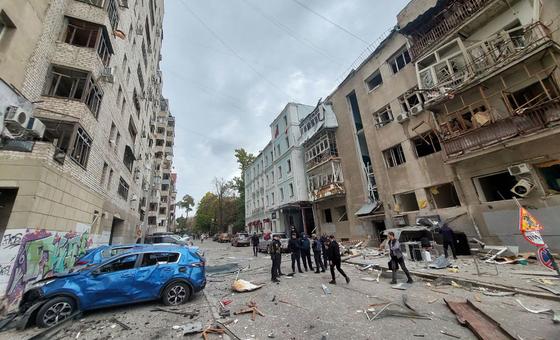
    Released on Wednesday by the UN Human Rights Monitoring Mission in Ukraine (HRMMU), the report explained the hardships civilians faced, including physical and long-term socioeconomic harm.

    It also emphasised the human rights impact of Russia’s renewed large-scale attacks on critical energy infrastructure in March, the ground offensive in the Kharkiv region in May and other developments in occupied and Government-controlled areas of Ukraine.

    Relentless attacks

    “With May having the highest monthly number of civilian casualties in nearly a year, fighting this spring took a horrific toll on civilians, particularly in Kharkiv region and city,” said Danielle Bell, head of the HRMMU.

    The relentless attacks resulted in tragic loss of life, displacement, and destruction of homes and businesses,” she added.

    According to the report, between 1 March and 31 May, at least 436 civilians were killed and a further 1,760 injured as a result of conflict-related violence. Casualties included six media workers, 26 employees of healthcare institutions, five humanitarian workers, and 28 emergency service workers.

    It added that the majority (91 per cent) of the casualties occurred in territory controlled by Ukraine, and nine per cent in Russian-occupied territory.

    In the reporting period, Russian authorities reported that 91 civilians were killed and 455 injured in the Russia from attacks launched by Ukrainian armed forces, primarily in Belgorod, Briansk, and Kursk regions.

    Powerful weapons

    UN monitors identified the use of powerful air-dropped bombs and missiles in populated areas and at least five instances of successive attacks on the same location, just as first responders arrived on the scene, causing casualties.

    The spring escalation in hostilities also saw Russian armed forces launch their “largest campaign of attacks” against critical energy infrastructure since the winter of 2022-23, killing and injuring civilians, while also affecting millions of people across the country with power cuts, the report said.

    Rippling effects

    The attacks also had rippling consequences on water supplies, mobile and internet access, and public transportation, Ms. Bell noted.

    “The full impact of the attacks on energy infrastructure will only be clear this upcoming winter when the reduced power-generating capacity of Ukraine could leave many without access to heating and other services necessary for their survival,” she said.

    Among other findings, the report noted that the Russian armed forces pressured civilians in occupied territory to get Russian citizenship to receive medical services and keep their property rights.

    The report will be presented to the Geneva-based Human Rights Council on 9 July.

    UN Assembly President visits Ukraine

    On Wednesday, the President of the UN General Assembly completed a two-day official visit to Kyiv, where he met with several official leaders including President Volodymyr Zelenskyy.

    In his discussions Assembly President Dennis Francis stressed that the Russian aggression against Ukraine violated the UN Charter.

    He reiterated the General Assembly’s commitment to the sovereignty, independence, unity and territorial integrity of Ukraine within its internationally recognized borders.

    Mr. Francis also noted that the Organization has worked closely with the Government, local authorities and international partners to rebuild Ukraine from the destruction.

    I would like to think the darkest of the night is behind Ukraine, not ahead of it,” he said, expressing hope that the recent Summit for Peace in Ukraine would bring further progress in the near future.

    Source link

  • Global Crisis of Physical Inactivity: Nearly 1.8 Billion Adults at Risk of Disease, Warns WHO

    Geneva, 5 July 2024 — In a stark warning from the World Health Organization (WHO), new data reveal that nearly one-third of adults globally, approximately 1.8 billion people, failed to meet recommended levels of physical activity in 2022. This alarming statistic marks a significant increase in physical inactivity, rising from 26% in 2010 to 31% in 2022, highlighting a worsening global health crisis.

    The study, conducted in collaboration with academic researchers and published in The Lancet Global Health journal, underscores the widespread prevalence of a sedentary lifestyle and its dire consequences. The WHO recommends adults engage in at least 150 minutes of moderate-intensity, or 75 minutes of vigorous-intensity physical activity per week. Insufficient physical activity is linked to a higher risk of severe health conditions, including cardiovascular diseases (such as heart attacks and strokes), type 2 diabetes, dementia, and cancers like breast and colon cancer.

    “If this trend continues unchecked, the rate of physical inactivity could rise to 35% by 2030, further derailing global health goals,” stated Dr. Tedros Adhanom Ghebreyesus, WHO Director-General. “We must urgently renew our commitment to promoting physical activity, prioritizing strong policies and increasing funding to reverse this troubling trend.”

    Regional Disparities and Vulnerable Groups

    The report lays bare significant regional disparities in physical activity levels. The highest rates of inactivity were recorded in high-income Asia Pacific regions (48%) and South Asia (45%), with other regions ranging from 28% in high-income Western countries to as low as 14% in Oceania. Furthermore, the data reveal noteworthy gender and age disparities: 34% of women are inactive compared to 29% of men, with some countries exhibiting a gender gap as wide as 20 percentage points. Additionally, individuals over 60 years old are notably less active than younger adults, emphasizing the need for targeted interventions for older populations.

    “Physical inactivity is a silent threat to global health, significantly contributing to the burden of chronic diseases,” said Dr. Rüdiger Krech, Director of Health Promotion at WHO. “To tackle this issue, we must innovate in motivating people to become more active, taking into account factors like age, environment, and cultural background. By making physical activity accessible, affordable, and enjoyable, we can drastically reduce the risk of noncommunicable diseases and foster a healthier, more productive population.”

    Signs of Hope and the Path Forward

    While the overall picture is concerning, there are glimmers of progress. Nearly half of the countries analyzed have shown improvements in physical activity levels over the past decade. Moreover, 22 countries are on track to meet the global target of reducing inactivity by 15% by 2030 if current trends persist.

    In response to these findings, the WHO is urging countries to intensify efforts in policy implementation to encourage and facilitate physical activity. Suggested measures include promoting grassroots and community sports, active recreation, and transport options like walking, cycling, and the use of public transport.

    “Promoting physical activity transcends individual lifestyle choices; it demands a whole-of-society approach,” affirmed Dr. Fiona Bull, Head of the WHO Unit for Physical Activity. “Creating environments that make physical activity easier and safer will help ensure everyone can enjoy its numerous health benefits.”

    To address this growing crisis, collective efforts from governments, nongovernmental organizations, and community stakeholders are vital. Enhanced investments in innovative strategies are necessary to reach the least active individuals and reduce access inequalities.

    The WHO’s urgent call to action aims to reverse the rising tide of physical inactivity by fostering a global environment conducive to active, healthy living. Achieving this requires a concerted effort that spans policy reform, community engagement, and individual commitment to embrace a more active lifestyle for the benefit of global public health.

  • Russia – Three Jehovah’s Witnesses sentenced to 78, 74 and 27 months in prison

    Gevorg Yeritsyan, a Jehovah’s Witness sentenced to 6 years and 2 months in prison at the end of June, declared in court  at the end of his trial:

    Jehovah’s Witnesses have faced persecution at different times and in different countries. But what’s interesting is that after the persecution they were always exonerated. This was the case for Witnesses persecuted in Nazi Germany (link) and under the Soviet Union.”

    After the end of the Soviet rule in 1991 the Administrative Center of Jehovah’s Witnesses (JW) in Russia was officially registered. JW were rehabilitated and deemed victims of unjustified repression against believers after Boris Yeltsin’s decree in 1996.” (Religion During the Russian Ukrainian Conflict, 2019, p. 226)

    The court decision

    On June 26, Nikolay Egorov, judge of the Novocherkassk City Court of the Rostov Region, sentenced three Jehovah’s Witnesses (two men; one woman) to prison for up to 6.5 years.

    Judge Egorov ignored evidence that included a statement by Russia’s own Foreign Ministry:

    “Members of a liquidated organization may worship independently, including as part of religious groups that do not require registration.” The two men already spent more than 22 months in pretrial detention, while the woman over 16 months.

    • Garegin Khachaturyan: 6.5 years
    • Gevorg Yeritsyan: 6 years and 2 months
    • Lyubov Galitsyna: 2 years and 3 months

    “Although the Supreme Court liquidated the legal entities of Jehovah’s Witnesses in April 2017, Russia’s Foreign Ministry has clearly stated that Jehovah’s Witnesses are free to continue to worship individually or with others”, said Jarrod Lopes, a spokesperson for world headquarters of Jehovah’s Witnesses.

    “The 2017 decision is being shamelessly abused by local authorities to strip Jehovah’s Witnesses of their constitutional right to peacefully worship. This court-sanctioned religious discrimination is a cold heartless attack on Witness families, where spouses are separated for years and innocent children, like those of Garegin and Gevorg, have their fathers taken from them at a very critical time when they need their father’s love, guidance, and support more than ever. 

    We hope soon the authorities will likewise see the value of devout Jehovah’s Witnesses in Russian society, release those in prison, and allow them to freely worship with their families as well as to return to promoting the morals and neighborly love that will further unite and beautify their communities.”

    Case History

    • August 11, 2022. At 6 a.m., armed security forces raided 10 homes of Witnesses in Novocherkassk (Rostov region), including the village of Hrushevskaya. Officers confiscated Bibles, electronic devices, money, and bank cards. All were taken for interrogation. Garegin Khachaturyan and Gevorg Yeritsyan were court-ordered to pretrial detention
    • August 16. Returning from vacation, Lyubov Galitsyna discovered she had been summoned for interrogation and immediately reported. Anticipating a possible arrest, she took essentials and medicines with her
    • August 17. Novocherkassk City Court ordered Galitsyna to pretrial detention. Some 30 fellow believers risked their freedom to come to the court to support her
    • January 18, 2023. She appealed for release from pretrial detention. She reminded the court that she never had any intention to hide or flee, citing that she quickly reported when called for interrogation. She also explained that her diabetes and hypertension have worsened while in detention. The court denied her appeal
    • August 2, 2023. Her leg grew numb. She requested exam and seeked release from detention
    • September 20, 2023. Criminal trial began
    • December 25, 2023. She was released and placed under house arrest. While in pretrial detention, she received over 4,000 letters of support from friends
    • February 19, 2024. Surveillance video of meetings of Jehovah’s Witnesses was examined. Experts testified that they heard nothing that could be construed as extremist
    • March 22, 2024. Sergey Astapov, Doctor of Philosophy, Head of the Department of Philosophy of Religion and Religious Studies of the Institute of Philosophy and Socio-Political Sciences (Southern Federal University), testified the Witnesses are law-abiding citizens and asserted that there can be no extremist calls from Jehovah’s Witnesses simply for devoutly following Biblical doctrines. (link to Astapov’s academic bio)
    • May 14, 2024. The defense asked the court to consider the statement by Russia’s Ministry of Foreign Affairs noted above (link to more information), as well as the European Court of Human Rights decision (LRO Taganrog and others v. the Russian Federation) that declared the 2017 ban unjustified and unlawful (link to summary of decision)
    • June 26, 2024. All three were convicted and sentenced. The men returned to their respective detention centers. Lyubov Galitsyna’s sentence was considered satisfied due to her time in pretrial detention and under house arrest

    Biographies of the convicts

    • Garegin Khachaturyan: 56 years old
      • Born in Azerbaijan
      • 1994, became one of Jehovah’s Witnesses
      • 1995, moved to Russia
      • 2008, married Ksenia. They have a son named Timothy
    • Gevorg Yeritsyan: 37 years old
      • 2010, married Melina
      • 2013, became one of Jehovah’s Witnesses. They have two minor children
    • Lyubov Galitsyna: 68 years old
      • 1997, became one of Jehovah’s Witnesses
      • Has grandchildren from her two adult children
      • Widowed in 2015

    Persecution in numbers | Russia and Crimea

    • 2,102 homes of Jehovah’s Witnesses raided since 2017 ban
    • 811 men and women criminally charged for their belief in God
    • 134 men and women in prison as of today; a total of 427 have spent some time behind bars since 2017
    • 506 men and women have been added to Russia’s federal list of extremists/terrorists

    See 128 documented cases in HRWF Database of FORB Prisoners

  • Hungary: EU’s Most Corrupt Nation Faces Scrutiny as it Takes the Presidency of the Council

    Budapest – Hungary remains the European Union’s most corrupt country, according to the 2023 Corruption Perception Index (CPI) released last January by Transparency International. Despite some judicial reforms aimed at securing EU funds, systemic corruption continues to undermine Hungary’s governance, raising significant concerns as the country became the new chairing member state Presiding the Council of the EU as of July 1, 2024.

    Hungary Reigns in the Lowest Rankings

    Hungary found itself at the bottom of the list for the year, in a row among EU member states with a score of 42 points on the Corruption Perceptions Index’s 100 point scale, where 0 represents the highest level and 100 the lowest level of perceived corruption. While the country improved slightly in global rankings, rising from 77th to 76th place among 180 countries, this minor advancement does little to counteract the perception and reality of widespread corruption domestically.

    The country report, from Transparency International Hungary, released in Budapest, sheds light on the issue of corruption. While some reforms have been implemented, they are deemed insufficient to restore the rule of law and effectively combat corruption.

    Judicial Reforms: A Drop in the Ocean

    The government of Hungary has made some changes, to its system, due to the influence of the European Union. The EU linked the allocation of cohesion policy funds to these reforms. In December 2023, €10.2 billion were unlocked by the European Commission as a result of these changes representing the disbursement of EU funds after growing worries about Hungary’s lack of adherence to the rule of law.

    However Transparency International Hungary has highlighted that these actions fall short in ensuring autonomy. The authority and capabilities of the established Integrity Authority and Anti Corruption Task Force are deemed inadequate in addressing corruption effectively. The governments efforts, such, as enhancing protections for business secrets and imposing obstacles to accessing public interest data are viewed more as steps, than holistic remedies.

    Political Motivations Behind the Scrutiny of Transparency International Hungary

    The investigation conducted by the Sovereignty Protection Office (SPO) into Transparency International Hungary has further complicated the issues surrounding corruption and governance, in Hungary. Globally Transparency International has criticized this action believing it to be politically motivated to undermine the NGOs corruption activities. This investigation has sparked worries regarding the security of information, within the NGO putting their vital anti corruption work at risk. Hungarian data protection legislation must align with Article 2(1) and Recital (15) of the GDPR to uphold the supremacy of European law and the regulations within the GDPR. According to rulings from the European Court of Justice, Member States are required to adhere strictly to GDPR provisions without deviation.

    Economic and Regional Context

    Hungary’s economic situation reflects the challenges it faces with corruption. When looking at GDP per person, Hungary falls behind neighboring countries doing better, than Bulgaria, Croatia and Romania within the EU. In comparison, Poland, Czech Republic and Slovakia demonstrate performance and anti corruption efforts.

    Although Hungary has a rate of investment, this has not led to economic growth. This suggests that the funds may not have been used effectively due to activities related to public procurement. Transparency International Hungary points out that despite some improvements, in reducing single bid tenders, the public procurement system still struggles with influence and lacks market competition.

    Hungary’s Role as Chair of the Council of the EU

    As Hungary takes over the presidency of the European Commission, these matters become more important. The leadership position of the country raises concerns, about how various EU priorities, those concerning rule of law and corruption efforts, will be addressed. The examination of Hungary’s actions and their harmony, with EU principles is expected to increase.

    Hungary’s standing problems with corruption, along with its prominent position in the EU, underscore the pressing importance of real change and responsibility. While some slight enhancements have been noted in the CPI, they are overshadowed by the ongoing battles against deep-rooted corruption, the non and the absence of judicial autonomy. As Hungary takes on a leading role within the European Commission, global observers will be closely monitoring to see if it can effectively address its corruption issues and pave the way, for transparency and governance.

    References:

    1. Transparency International. (2024). Transparency International Condemns Hungary Investigation.
    2. AP News. (2024). Hungary Government Investigates Transparency International.
    3. Transparency International. (2024). Corruption Perception Index.
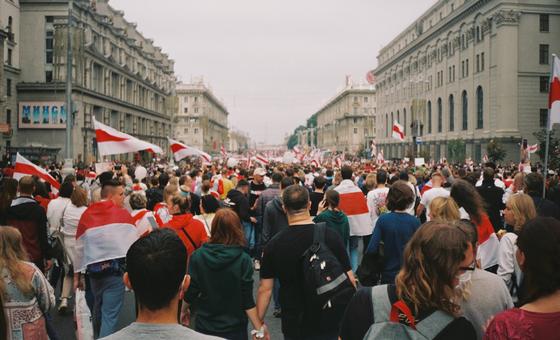
  • Belarus is not safe for anyone critical of authorities, warns rights expert

    In her final, annual report to the Human Rights Council in Geneva, Special Rapporteur on the rights situation in Belarus, Anaïs Marin, echoed wider, longstanding concerns from the UN and the international community about a crackdown on democratic freedoms and other serious rights abuses in the country.

    President Lukashenko, 69, has been in power since 1994 and is Europe’s longest-serving leader.

    Repression in Belarus has reached such a scale and intensity that it should not be considered a safe country for anyone who ever showed disagreement with the government or its policies. I therefore reiterate my call to refrain from extraditions and expulsions to Belarus,” said Ms. Marin, a political scientist and French national who was appointed by the Geneva-based Human Rights Council in 2018.

    Democratic U-turn

    “The general trend I observe is a further tightening of the screws against any real or perceived opposition to the acting government, and the systematic persecution of anyone who dares expressing dissenting views about its policies,” she told the Human Rights Council, which is the top UN forum for Member States to discuss and address human rights situations of concern.

    In the absence of Belarus at the Council to respond to her report, the Special Rapporteur also noted that as the country had entered a new electoral cycle, it had sent “no signal that the next presidential election will be held differently than before”.

    Extremist label

    To illustrate the pressure faced by civil society in Belarus – which denied the Special Rapporteur’s requests to visit the country, she said – Ms. Marin noted that more than 1,500 registered associations had “disappeared” in recent years – almost half the number that existed prior to the 2020 election violence.

    “This was achieved also by designating them as “extremist formations”, and subsequently prosecuting their leaders and members, pushing them to relocate abroad,” she explained.

    Trades unions and more undone

    In her report covering the period from 1 April 2023 to 31 March 2024, the independent expert maintained that “all types of independent associations” have suffered in Belarus: civil society organisations and initiatives, political parties, trade unions, bar associations, religious or cultural organizations and online communities.

    Furthermore, independent trade unions in Belarus “have been dismantled” and the number of political parties has fallen from 16 to four in the period leading up to the February 2024 parliamentary elections, the Special Rapporteur said.

    Exile or prison

    All those who ever dared speaking up against the government or its policies are either behind bars or in exile”, Ms. Marin said in a separate statement, adding that dissidents in exile “continue to face harassment, being labelled as traitors or extremists, and prosecuted in absentia for alleged crimes”.

    Among the legislative measures used by the authorities “to crackdown on free assembly and association”, the independent expert listed mandatory re-registration campaigns, restrictions on access to funding and “retaliation” for donations, along with “liquidation of associations through or without judicial proceedings”, designation of undesirable associations as “extremist formations” and the “persecution of their leaders, members, volunteers and supporters”.

    For those in prison, the independent expert highlighted “over a dozen” reported deaths in custody since 2020. These had been “most likely caused by inadequate or untimely medical care”, Ms. Marin said, adding that “a few detainees have been held incommunicado for over a year and their families are unaware of their fate”.

    There have also been “a growing number of allegations of ill-treatment of inmates convicted on what appear to be politically motivated charges” the Special Rapporteur said, while also pointing with concern to the harassment of minorities and members of LGBTIQ+ community and the “intimidation” of relatives of “extremists” living in exile.

    Special Rapporteurs

    Appointed by the Geneva-based UN Human Rights Council and forming of a part of its Special Procedures, Special Rapporteurs are mandated to monitor and assess the rights situation in certain thematic or country situations.

    They work in their individual capacity, are not UN staff and do not receive a salary.

    Source link

  • 4th of July Celebrations in the United States of America: Traditions, Curiosities, and Global Festivities

    The 4th of July in the United States is a time when people come together to celebrate Independence Day, which marks the adoption of the Declaration of Independence in 1776. This day is filled with festivities, cherished customs, and a strong sense of patriotism that unites Americans across the country. From small communities to busy cities, individuals honor this important holiday in various ways.

    During these celebrations, fireworks light up the evening sky, creating dazzling displays that captivate audiences. Major cities like New York City, Washington D.C., and San Francisco are renowned for their fireworks presentations that draw large crowds.

    Parades are another part of the festivities, featuring marching bands, decorated floats, and community organizations that add to the festive ambiance. Events such as the National Independence Day Parade in Washington D.C. and Macy’s 4th of July Parade in New York City are widely recognized and receive national attention.

    Gatherings for barbecues and picnics are also common on the 4th of July, allowing people to enjoy food and socialize with loved ones amidst a backdrop of celebration.

    During the 4th of July, families and friends come together in spaces like backyards, parks, and beaches to savor classic American dishes such as grilled hot dogs and hamburgers. The aroma of barbecue mingles with the sounds of laughter and merriment, emphasizing the communal spirit of the holiday.

    The air resonates with melodies featuring tunes like “The Star-Spangled Banner,” “America the Beautiful,” and “God Bless America” that echo through public areas and private gatherings alike.

    Interesting Aspects of Independence Day

    “Nathan’s Hot Dog Eating Contest”: An annual event at Coney Island in New York where participants from across the globe compete to consume the most hot dogs within a 10-minute time frame. The contest attracts viewers both in person and through televised broadcasts.

    Regional Traditions: In Florida, one can witness boat parades, while rodeos are a way to celebrate in Texas. These localized customs bring a unique touch to the nationwide celebrations.

    Reenactments of Historical Events: Some regions, especially in the original thirteen colonies, host reenactments of battles from the Revolutionary War and readings of the Declaration of Independence. These events offer a glimpse into history and foster a deeper connection to the country’s roots.

    It’s a moment for people in the United States to ponder their freedoms, honor their culture, and anticipate what lies ahead. Across the country, in bustling centers and quaint rural areas alike, Independence Day is a lively showcase of American heritage brimming with customs and peculiarities that grow and change with each passing year.

    As this pivotal day progresses, it serves as a symbol of the timeless principles of freedom and togetherness that underpin the foundation of the nation.

  • Scientology and Drug Prevention – Gear Up, Join the Race by Uniting Globally for a Drug-Free World

    Scientology and Drug Prevention – Gear Up, Join the Race by Uniting Globally for a Drug-Free World
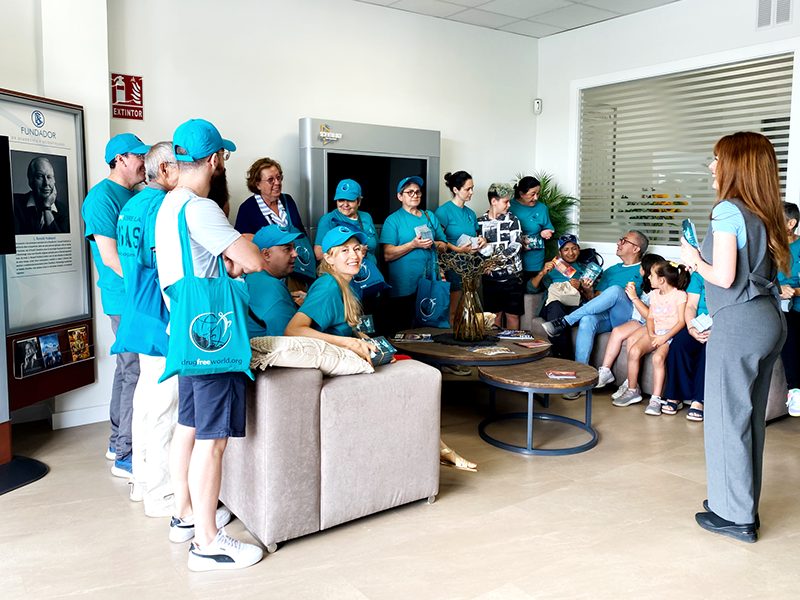
    Volunteers getting ready at the Church of Scientology Mission of Valencia, Spain.

    KINGNEWSWIREEurope, 3rd Jul 2024 – drug-free – // In a world where drug abuse is on the rise, various international efforts are actively working towards promoting a lifestyle free from drugs. Whether it’s the picturesque motorcycle journeys through Northern Italy, the streets of Valencia, Spain, or the informative events in Brussels, Belgium, and also in Prague in the Czech Republic, these movements share a common mission: to inform the public about the risks of drug use and advocate for prevention strategies based on evidence.

    Bergamo, Italy: The 7th Annual Say No to Drugs Motogiro Nazionale

    In Bergamo, Italy, motorcycle enthusiasts are gearing up for the 7th edition of Say No to Drugs Motogiro Nazionale, an event organized by Dico No Alla Droga (Say No to Drugs) Italy. This initiative is part of a campaign in support of the UN International Day Against Drug Abuse. The 2024 theme “Evidence: Prioritize Prevention” highlights the importance of spreading awareness about the harmful effects of drug consumption, such as physical and mental health issues, fatal overdoses, and societal challenges.

    Oreste Depaoli, the executive director for Italy, stresses the importance of having accurate, detailed, and well-supported information regarding drugs. According to Depaoli, there is a lack of awareness among people about the nature and effects of drugs. He points out that certain societal campaigns portray drugs as harmless, but with knowledge about their realities, individuals can make informed choices on this crucial topic and opt for a drug-free lifestyle.

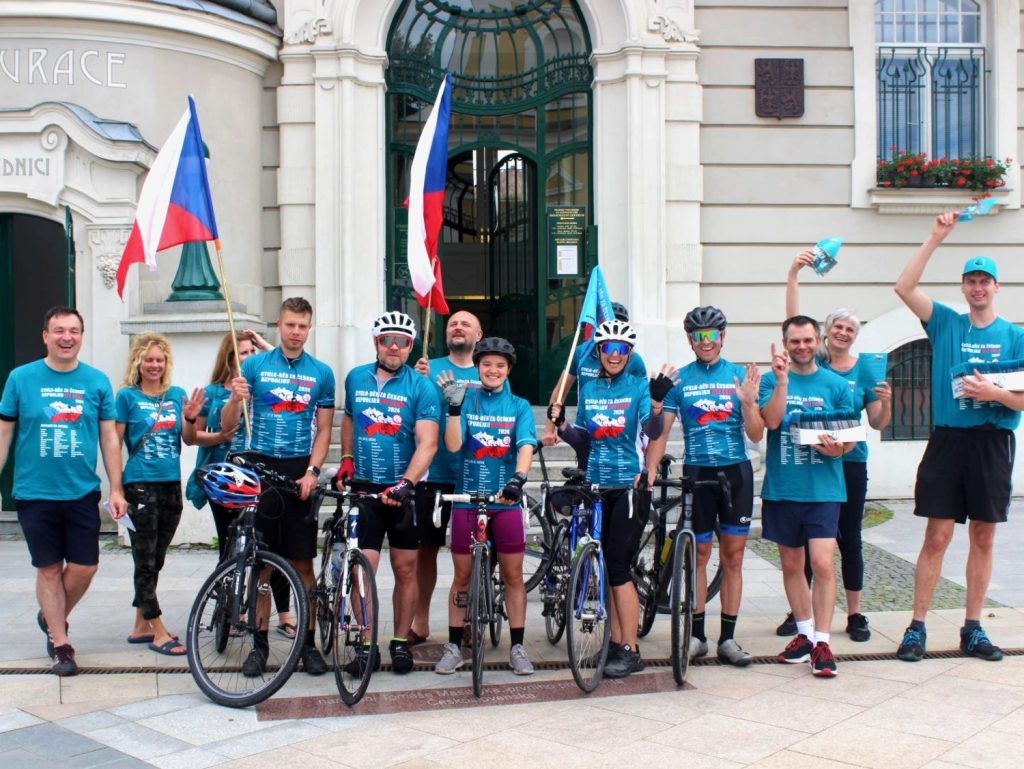
    Prague, Czech Republic: The 20th Anniversary of the Drug-Free Czech Cyclo-Run

    In Prague, Czech Republic, the Say No to Drugs—Say Yes to Life Association—an affiliate of the Foundation for a Drug-Free World—recently marked the anniversary of their Drug-Free Czech Cyclo Run event. This event, spanning over 12 days, organized by Lukáš Bechyně, the director, and Vlastimil Špalek, the founder of Cyclo Run, entails cycling and running activities across the country to educate young people about the risks associated with drug use.

    Bechyně emphasizes the growing sophistication of drug producers, traffickers, and sellers. He notes, “The market is flooded with an increasing variety of drugs that are now easily accessible to even younger individuals. Previously, our educational talks targeted seventh graders; however, we now start two years earlier as some children begin experimenting with drugs as early as age ten.”

    The United Nations Office on Drugs and Crime (UNODC) extends its support to these initiatives by emphasizing that prevention strategies grounded in research and collaboration with families, schools, and communities can ensure the well-being of children and youth – particularly those who are marginalized or come from impoverished backgrounds – helping them lead healthy lives into adulthood. According to UNODC reports, investing in prevention measures can lead to cost savings in terms of future healthcare expenses and social welfare.

    Addressing Drug Abuse at a Key Port in Valencia

    In Valencia, Spain, volunteers from the Church of Scientology Mission of Valencia are actively addressing the pressing issue of drug abuse within their community. Valencia serves as a hub for the influx of narcotics into Europe, especially from Latin America and North Africa. A major drug seizure in 2022 saw the confiscation of 5.5 tons of cocaine, underscoring the city’s role in global trafficking networks.

    Volunteers initiated a campaign on drugs, distributing informational booklets containing straightforward facts about commonly abused substances, while lectures are being given in schools throughout the region. Ghada Waly, the Executive Director of UNODC, stresses the importance of investing in prevention efforts because, as she says, “The production, distribution, and consumption of drugs continue to fuel instability and inequality, leading to harm to individuals’ health, safety, and overall well-being”.

    Brussels Hosts Marathon Event on Drug Prevention

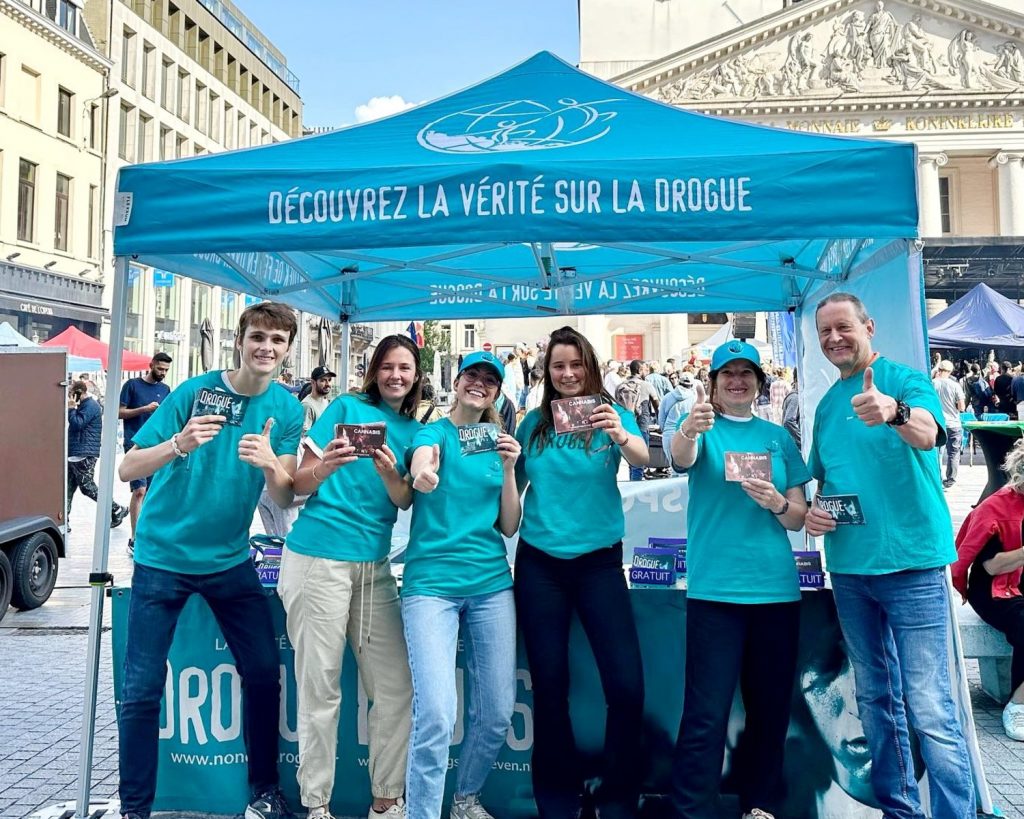
    In Brussels, Belgium, the Scientology Network marked the UN’s International Day Against Drug Abuse and Illicit Trafficking with a series of documentaries. The event showcased a documentary focusing on the work of drug prevention expert Julie Delvaux. Held at Boulevard de Waterloo, the premiere included discussions and testimonies from individuals affected by substance abuse.

    Delvaux actively promotes awareness about The Truth About Drugs across Belgium. She is featured on Scientology Network’s original series Voices for Humanity. Delvaux mentioned that nowadays there is a lot of misinformation going around about drugs. 

    She emphasized the importance of providing information to young people through the Truth About Drugs campaign to educate them before they are influenced by drug dealers. Delvaux believes that this initiative is crucial in paving the way for a society free from drug abuse.

    The European Monitoring Centre for Drugs and Drug Addiction (EMCDDA) recently published its report on the drug situation in Europe until the end of 2022. The report, which draws data from EU Member States, Turkey, and Norway, highlights the challenges in monitoring drug use due to stigma and hidden behaviors. It emphasizes the need to use multiple data sources for trend analysis and provides detailed methodological information and constraints in its online Statistical Bulletin.

    Individually and jointly paving the way for a drug-free Europe

    Whether it’s organizing motorbike tours in Italy or hosting events in Belgium, these global programs highlight the significance of investing in education and prevention to combat drug abuse. With backing from organizations like the Foundation for a Drug-Free World and the dedication of volunteers such as Oreste Depaoli, Lukáš Bechyně, Vlastimil Špalek, and Julie Delvaux, the fight against drug abuse is gaining momentum. Looking ahead, it’s evident that by prioritizing prevention efforts, we can pave the way towards a safer world free from drugs.

    Established in 2006, the Foundation for a Drug-Free World has emerged as a key player in combating substance abuse. As the leading non-governmental drug education program, it operates in 196 countries, offering evidence-based information for more than 25 years. The Foundation’s primary project, “Truth About Drugs,” stands as a pillar of the broader Say No to Drugs movement.

    At the core of their mission lies the creation and dissemination of educational materials that address changing drug patterns. DFW provides these resources completely free to entities such as schools, community groups, government agencies, law enforcement bodies, and as well as private companies.

    Its network spans to circa 200 chapters globally, the Foundation’s impact is truly remarkable. Their Truth About Drugs initiative has reached over one billion individuals, providing optimism in a world grappling with the impacts of drug misuse. This widespread outreach is made achievable through volunteers and numerous international partnerships.

    The Foundation’s efforts illustrate the significance of education and prevention in shaping a drug-free tomorrow, as inspired by Scientology founder L. Ron Hubbard. 

    By delivering current information, they are not merely raising awareness – they are empowering communities and nations to make informed choices and foster positive transformations.

    By doing this, they provide a glimmer of hope, showing that achieving a world without the clutches of drug addiction is possible.

  • Orban’s Hungary takes the helm of the EU

    Unease in Brussels as On 1 July 2024, Hungary, led by Viktor Orban, takes over the Presidency of the Council of the European Union for six months.

    **Brussels, July 1, 2024** – Concern is growing in Brussels among some of the EU’s 27 member states. Following Belgium, Viktor Orban’s Hungary assumes the presidency of the Council of the European Union for six months starting this Monday. With worries about democratic backsliding and ties to the Kremlin, Hungary’s presidency is causing unease, especially as France also faces concerns with the far-right leading the first round of legislative elections.

    Budapest Promises Impartiality

    In Budapest, the government is attempting to reassure its partners. “We will act as an impartial mediator, with full loyalty to all member states,” Hungarian Minister for European Affairs Janos Boka declared in mid-June. “At the same time,” he added, Hungary will use the spotlight to showcase its “vision for Europe.”

    On issues such as the rule of law, immigration, and the conflict in Ukraine, Hungary intends to make its divergent views heard, leading to repeated clashes with its partners and the freezing of billions of euros in EU funds.

    After Hungary’s last EU presidency in 2011, Viktor Orban boasted about having given “nudges, slaps, and friendly punches” to the “excited executioners” of the European Parliament, which he views as a haven for “liberals and leftists.” This time, the 61-year-old leader appears even more combative, criticizing the “Brussels technocratic elite” and issuing numerous vetoes in recent months to block military aid to Kyiv.

    Orban’s Lost Battle Against von der Leyen

    However, Viktor Orban was unable to influence the key EU appointments last week. Despite his opposition, leaders agreed to extend Ursula von der Leyen‘s term as President of the European Commission. As for the European Parliament, the Hungarian Prime Minister remains far from having any significant influence. In the recent European elections, he lost seats, and his party, Fidesz, remains among the non-attached members. Nonetheless, negotiations are ongoing with other Central European parties.

    In Brussels, Viktor Orban plans to focus Hungary’s presidency on seven priorities, including strengthening the bloc’s “economic competitiveness,” better combating “illegal immigration,” and bringing Western Balkan countries closer to EU membership. Experts, however, do not expect a very ambitious agenda as the new Commission settles in.

    The rotating presidency allows the presiding country to control the meeting agendas of the 27, a significant but not absolute power, according to several European diplomats. Hungary will, however, have a substantial communication role. The presidency’s slogan, “Make Europe Great Again,” has already sparked controversy, echoing former US President Donald Trump’s campaign slogan, whom the Hungarian Prime Minister hopes to see re-elected in November.