“Racism is a sin and should be eliminated in all its forms… individual, institutional, direct, and indirect”. Thus states the Archdiocese of the Port of Spain’s Catholic Commission for Social Justice (CCSJ).
Racism eats our nation’s soul
The CCSJ issued the appeal in a statement last Thursday. They classify racism as a “vile worm that eats at the very soul of our beings and nation.”
This statement comes on the heels of the General Elections in Trinidad and Tobago on 10 August. The campaign preceding the election was characterized by racist sentiment. The CCSJ states it “abhors all the recent racist statements made on social media before and after” the General Election. They also say they are in agreement with an assessment made by UK journalist Kehinde Andrews that “focusing on individual prejudice” avoids “tackling endemic, systematic racism, leaving significant inequalities”.
Heart of the matter
In view of Trinidad and Tobago’s upcoming Independence Day celebrations, the CCSJ invites its citizens to “reflect NOW on ways in which each of us may have, wittingly or unwittingly, through thought, word, or action, fed this socially constructed, hydra-headed monster”, racism. “Let us commit to root out this evil from our hearts and minds. Indeed, the heart of the matter is in the human heart.”
The CCSJ says the vision of a country without racism is found in the laws, Constitution, Equal Opportunity Act and policies of the island nation, and in the values professed by faith communities. That vision can only become transformational when “we move from paper to action”, the CCSJ notes.
From racism to unity in diversity
“Justice and peace will never become a reality,” the CCSJ continued, “as long as racism exists”. They said the “rejection of racism in order to “embrace and promote unity in diversity” is “long overdue”.
The CCSJ say they pray for conversion of heart, citing the United States Bishops: “True justice and peace can be a matter of policy only if it is first a matter of the heart.”
“Let us pray for God’s grace”, they conclude the statement, “to open our eyes and those of our leaders, so that we will choose values and virtues that will help us to flourish/progress as a people.”
Trinidad and Tobago is home to people of Indian, African, European, and Middle Eastern descent. The islands obtained independence from the United Kingdom on 31 August 1962 and became a republic in 1976.
Spared from the ravages of COVID-19 suffered by her neighbor Spain, Portugal is aiming to leap, rather than tip-toe, out of their lockdown initiatives by launching a series of clean energy projects that could generate 5.5 billion euro in European energy investment.
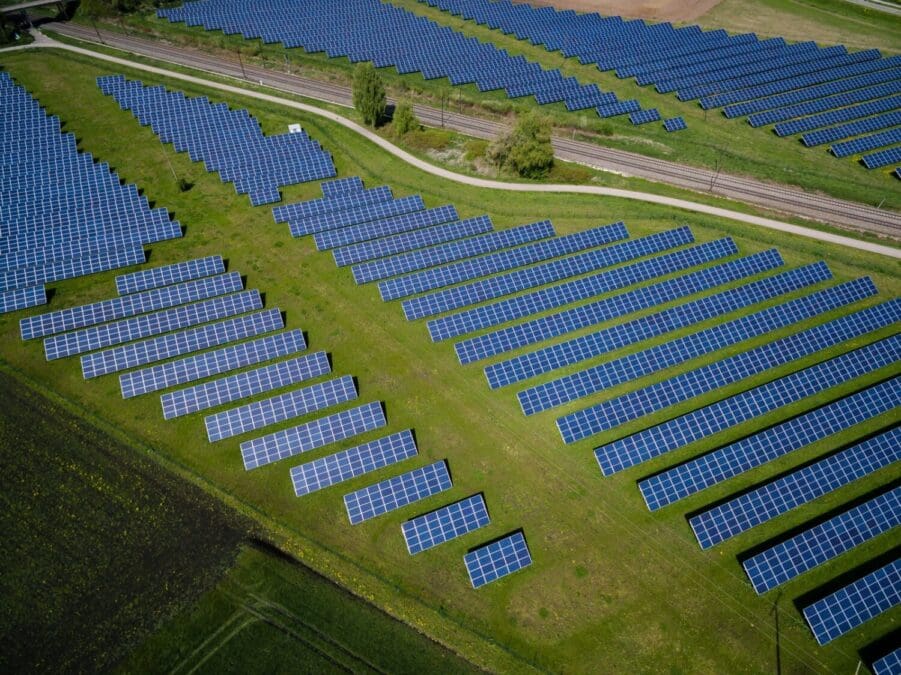
The new solar-powered hydrogen plant near the port of Sines is a modern “green” hydro-electric project that generates electricity through a process called electrolysis, and it could contribute 1 gigawatt of power by 2023 if investment arrives.
“The economy cannot grow along the lines of the past and our post-coronavirus vision is to create wealth from projects that reduce carbon emissions and promote energy transition and sustainable mobility,” Portugal’s Minister of Environment and Energy Transition, Joao Matos Fernandes, told Reuters.
Fernandes detailed that both Portuguese energy firms, and Dutch firms are already showing interest in the hydrogen plant, and it is shaping up to be one of the biggest industrial projects and opportunities in the country.
Matos also said that Portugal will be launching a solar energy licensing auction, where international energy firms will have a chance to bid for prime solar real estate, as Portugal is one of Europe’s sunniest nations.
Initially scheduled to kick off in April, the auctions were delayed due to the coronavirus outbreak, which has taken the lives of fewer than 1,000 Portuguese, out of 24,500 confirmed cases according to Reuters. Up for bidding are 16 sites worth a combined total of 700 megawatts of solar capacity in the southern regions of Algarve and Alentejo.
Portugal has had previous success with energy licensing auctions before, like last June when she sold 1,150 MW of solar energy capacity at a record-low price of 14.8 megawatts per hour—mainly to international energy investors from Britain, Spain, France, and Germany.
Already in 2016, 28% of nationwide power came from renewables. During that year they set a European record for entirely powering the country with renewables for four straight days.
Though just 11 years ago, Portugal was generating more CO2 than Bangladesh, despite having one-sixteenth the population density, their plans for 2030 are to be producing 7,000 MW per hour of clean energy and close to all their remaining coal plants.
Meanwhile, in Germany a string of recent sunny days in April led to record-setting clean-energy production. The solar power was generating around 40% nationwide, with all their renewables together accounting for a whopping 78%—while coal and nuclear less than a quarter.
Twenty Dutch musicians from the Rotterdam Philharmonic Orchestra were forced to stay sequestered in their homes this week amidst COVID-19 shutdowns—but they still came together in harmony to produce a powerful music video for the world.
With a full string section, woodwinds, and brass horns, the video opens with the familiar notes of the triumphant Symphony No. 9 by Beethoven, first played almost 200 years ago.
“We’re adjusting to a new reality and we’ll have to find solutions in order to support each other,” wrote the team on YouTube. “Creative forces help us.”
“Let’s think outside of the box and use innovation to keep our connection and make it work, together. Because if we do it together, we’ll succeed.”
Known also as “the choral symphony”, it was the first ever symphony composed using voices, which come in near the end of the composition.
The four-minute YouTube clip reaches that crescendo with an unseen choir recorded singing the glorious words of the German poem, An die Freude (Ode To Joy), by Friedrich Schiller—the poem chosen by Beethoven to accompany his final masterpiece.
Glad, as his suns fly Through the Heavens’ glorious plan, Run, brothers, your race, Joyful, as a hero to victory. Be embraced, you millions! This kiss for the whole world!
At the 43rd session of the Human Rights Council, States will consider a resolution extending for three years the mandate of the Special Rapporteur on the situation of Human Rights Defenders. Civil society organisations from across the world are calling on all States to support the consensus renewal of the mandate, and to resist any attempt to undermine the mandate and States’ obligations. This is a key opportunity for States and the Council to demonstrate their support and recognition for the indispensable role defenders play to ensure that all people enjoy freedom, dignity, justice and equality.
Human rights defenders are people who act with humanity, serve humanity and who contribute to and bring out the best in humanity. They are key to our daily lives – they work so our governments are more transparent and accountable, our environment cleaner and safer, our schools and workplaces fairer, and our futures more sustainable. As human rights defenders confront power, privilege and prejudice, they frequently face a wide range of risks and threats, including against their organisations and their families, friends and loved ones.
Despite their vital contribution, both some governments and non-State actors are still seeking to silence defenders as they expose injustices and demand accountability for all.
The mandate of the Special Rapporteur on the situation of human rights defenders is integral to their protection and recognition, globally. It gathers and responds to information on the situation of defenders around the world, engages constructively with governments and non-State actors and provides expert recommendations to promote the effective implementation of the Declaration on human rights defenders (‘the Declaration’).
In 2019, the Human Rights Council and the General Assembly supported the vital work of defenders. The Human Rights Council recognised the critical role of environmental human rights defenders in protecting natural ecosystems, addressing climate change, attaining the sustainable development goals (SDGs). The General Assembly passed by consensus a resolution focusing on implementation of the Declaration and some key elements of protection policy; the resolution also attracted a record number of co-sponsors.
At the 43rd session of the Council, States will consider a resolution extending the mandate of the Special Rapporteur for three years. This is a key opportunity for States and the Council to demonstrate their support and recognition for the indispensable role defenders play to ensure that all people enjoy freedom, dignity, justice and equality.
Civil society organisations* from across the world are calling on all States to support the extension of the mandate of the Special Rapporteur by:
Participating positively in the negotiations on the resolution,
Presenting early co-sponsorship of the text,
Resisting any attempts to dilute the mandate or State obligations, and
The Italian Muslim communities have faced the challenge of contagion with a pragmatic spirit. As it known, Islam does not recognize universal leaders, and therefore chooses on the basis of the general reference principles, which in the case of epidemics refer to a hadith that prescribes «if you hear of a plague in a land do not enter it; and if it breaks out in the land where you stay, do not leave»[1]. Muslim communities in Italy have given consistent indications with this substantial precautionary principle, stopping the movements generally linked to production activities; remaining on Italian territory despite being the one most penalized by contagion after China; closing prayer rooms and mosques to avoid contagions, in line with government regulations. It should be noted that this attitude is grafted on the homologous attitude of the ecclesiastical authorities, who have indicated to the faithful alternative ritual paths by accepting the limitations imposed by governments[2].
In addition, Muslims in Italy are particularly notable for their concrete, supportive attitude, which follows their contribution capacity and which goes beyond any confessional boundary, which essentially recalls the obligation of zakat, one of the pillars of Islam. For Muslims, solidarity practices and philanthropic acts not only affect a social attitude but also constitute an essential element of religious practice. In this respect, the principle of solidarity is a key element of the whole Muslim society, basic as Buddhist ethics of compassion and the Christian commandment of love for neighbor[3].
In Islam, brotherhood of faith replaced the ancient clan, tribal, race and ancestry ties that existed in the pagan era «The believers are but brothers» (Quran, XLIX, 10)[4], generating a sense of belonging that is concretized in a spiritual and material solidarity, according to the Quranic precept: «And cooperate in righteousness and piety» (Quran, V, 2). Based on this principle, the Islamic community takes care of both spiritual and material well-being: «Worship Allah and associate nothing with Him, and to parents do good, and to relatives, orphans, the needy, the near neighbor, the neighbor farther away, the companion at your side, the traveler, and those whom your right hands possess. Indeed, Allah does not like those who are self-deluding and boastful» (Quran, IV, 36). The primary function of altruistic activities in Islam is therefore to achieve an equitable distribution of income and wealth in different ways, through direct donations from the rich to the poor, with projects of assistance for disadvantaged people and programs for community development, or trough targeted interventions that will enable the poor to become economically more autonomous[5].
Based on these shariatic references directed to humanitarian action, the Italian Muslim community stood out for the following initiatives, monitored from the beginning of the health crisis.
Some initiatives have also been recorded in the international arena, like those adopted by countries such as China and Russia. Intra-Islamic cooperation, in fact, stood out for the humanitarian activism undertaken to support Italy and the Muslim communities present in the territory in the fight against the spread of the virus through substantial donations.
March 23, 2020. The Muslim community in Alexandria has decided to participate in the solidarity initiatives undertaken to deal with the Coronavirus epidemic by announcing that it wants to create an internal fundraiser to donate to the local hospital, and in the meantime, they have organized a blood donation[6].
March 23, 2020. The Essalem cultural association of Fornovo donated € 2,700 in favour of the Fornovese Green Cross in aid of the commitment to fight the epidemic[7].
March 23, 2020. The Muslim community of Forlì donated € 7,000 to the local health agency (Ausl)[8].
March 23, 2020. The Muslim community in Imola through its association House of Islamic Culture donated € 1,000 euros to the local health agency[9].
March 24, 2020. In Bergamo, the local Muslim community, through the Toubkal association in collaboration with Muslim Young-BG and the Muslim Association of Bergamo, set up home delivery of groceries and medicines for the neighbourhood and for elderly people in need[10].
March 25, 2020. The Muslim community of Bassano del Grappa has launched an online fundraiser for donations to the San Bassiano hospital[11].
March 26, 2020. The Islamic cultural association of Ticino has decided to contribute to solidarity initiatives against the spread of Covid-19 by donating the sum of € 1,500 to the Municipality of Castelletto Sopra Ticino for the purchase of health disposals. Fundraising continues through a dedicated online platform and the local Islamic community solicit to donate in favour of the Volunteer Ambulance Corps, Civil Protection and Hospitals[12].
March 26, 2020. The hospital of Manerbio received € 1,800 from fundraisers promoted by the Islamic association Chorouk that invited the local community to continue donating what it can to fundraising for the Garda health agency[13].
March 27, 2020. The Muslim community of Carnate, through the local cultural center, made a small but significant donation to the AVPS association of Vimercate, whose volunteers serve in the nearby hospital[14].
March 30, 2020. The Muslim community of Sermide and Felonica, in the province of Mantova, made a donation through the Amici della Pace Association a contribution to the local hospital[15].
March 30, 2020. The Islamic Cultural Center of Brescia has donated € 7,000 to the Spedali Civili di Brescia and is also engaged in the distribution of food at home for families who are in a state of difficulty and who are unable to benefit from social safety nets[16].
March 31, 2020. The Islamic Culture Center of Cuneo has launched a fundraiser in favour of the local Santa Croce Hospital, appealing to the entire Muslim community and to all the citizens of Cuneo to support operators engaged in the front line to contain the advance of the Coronavirus epidemic in the city[17].
April 1, 2020. The fundraising organized by a collective of 13 different Muslim associations in the province of Brescia yielded € 55,805, donated to the Fondazione Comunità Bresciana onlus in favour of the public health system[18].
April 1, 2020. In Carpi the local Pakistani community donates € 10,000 for the fight against Coronavirus and the mayor has publicly thanked the community from his facebook page[19].
April 2, 2020. The Muslim community of Crema has collected € 4,450 in favour of the local hospital, reporting on the bank transfer “Covid-19 emergency”[20].
April 6, 2020. The Muslim community of Reggio Emilia donates € 56,000 to the structures involved in tackling the epidemic in the city and the mayor has publicly thanked the Muslim families who contributed to the fundraising[21].
April 6, 2020. Even DailyMuslim, the online newspaper of Italian Muslims, through Nexilia, the network of digital solutions for independent publishers, has decided to contribute during the Covid-19 emergency, by donating all the advertising revenue generated on the home pages of the network sites to Italian Red Cross, through the #RestoInHome campaign[22].
April 11, 2020. The Muslim community of Catania has donated € 6,000 in health disposals (gloves, masks, disinfectant) to the local Garibaldi hospital, also launching a fundraiser and continuing the distribution of food packages for families in need[23].
April 11, 2020. The Muslim community of Santa Croce sull’Arno donated some founds to the Coronavirus Pisa Mutual Aid Fund, set up by the Società della Salute Empolese Valdarno Valdelsa, receiving public thanks from the Mayor[24].
April 13, 2020. The Muslim community of Perugia and the local Muslim donor group AVIS responded with great participation to the request for blood[25].
April 14, 2020. The Islamic centres in Lughese Area (Lugo, Fusignano, Alfonsine, Massa Lombarda, Cotignola, Conselice, Lavezzola and Bagnacavallo) collected and donated € 22,670 to the Umberto II hospital in Lugo, to counteract the health emergency[26].
April 14, 2020. The Islamic cultural association Amici Del Valdarno has launched a volunteer project aimed at people who are unable to go out for shopping because of the epidemiological emergency. The initiative made in collaboration with the Islamic Federation of Toscana and the Red Cross of Figline and Incisa Valdarno provides the door shopping service for families in need[27].
April 15, 2020. A group of women from the Islamic association of Molinella, with a collaboration and social help spirit, create 7400 masks and donate them to the local citizenship in help to counter Coronavirus.[28] Some initiatives have also been recorded in the international arena, like those adopted by countries such as China and Russia. Intra-Islamic cooperation, in fact, stood out for the humanitarian activism undertaken to support Italy and the Muslim communities present in the territory in the fight against the spread of the virus through substantial donations.
April 8, 2020. The World Muslim League, known for being the most important NGO in the Islamic world based in Mecca, has donated 1 million dollars to Italian civil protection as a contribution to combat the spread of Coronavirus[29].
April 9, 2020. Qatar has sent two field hospitals to support the Coronavirus emergency in Italy[30].
Submitted: April 22th 2020. Published: April 30th 2020.
Taken from: DiReSoM Papers 1, Law, Religion and Covid-19 emergency, Edited by Pierluigi Consorti, May 2020
DiReSoM (Diritto e Religione nelle Società Multiculturali – Law and Religion in Multicultural Societies) is a research group created in 2017 by Italian Scholars in Law and Religion. [https://diresom.net]
Notes:
[1] ⬆︎ Al Bukhari, Sahih, Al-Maktaba al-‘Asriyya, Beyruth, 1427 H., IV, n. 5728.
[2] ⬆︎ A. Fuccillo, La religione “contagiata” dal virus? La libertà religiosa nella collaborazione Stato-Chiesa nell’emergenza covid-19, in Osservatorio delle Libertà ed Istituzioni Religiose, www.olir.it, 21/04/2020.
[3] ⬆︎ H. Kung, Islam: passato, presente e futuro, Rizzoli, Milano, 2005, p. 685.
[4] ⬆︎ For Quran, it was used the revised edition edited by the General Presidency of the Islamic Scientific Research Directorate, Ifta, Preaching and Religious Orientation of the Kingdom of Saudi Arabia, al-Madinat al-Munawwarah (Medina), 1351 H. (1932).
[5] ⬆︎ In tal senso M. Ariff, La raccolta delle risorse attraverso il volontariato islamico nel Sud-est Asiatico, in A. Pacini (a cura di), Tasse religiose e filantropia nell’islam del Sud est asiatico, Edizioni della Fondazione Giovanni Agnelli, Torino, 1997, p. 23.
The UK All-Party Parliamentary Group for International Freedom of Religion or Belief (FoRB) urges the European Commission to renew the mandate of the Special Envoy on FoRB outside the EU.
Dr Ján Figel was appointed the European Commission’s first Special Envoy for the promotion of FoRB outside the EU, following a resolution adopted by the European Parliament in February 2016.
The mandate has served as a focal point for promoting FoRB outside the EU, with Dr Figel working alongside the European External Action Service, civil society, religious leaders and governments. Dr Figel has also served as Special Adviser to the Commissioner for International Cooperation and Development and he has worked extensively with the UN High Commissioner for Human Rights, the UN Special Rapporteur on FoRB, and the UN Deputy Secretary General responsible for Genocide Prevention, as well as his counterparts in European governments and in the US.
The unique position of the EU Special Envoy has enabled him to be viewed as a neutral broker by many countries. This fact has been instrumental in helping to foster dialogue and make effective interventions. For example, in assisting with the release of Asia Bibi, who spent years on death row in Pakistan due to an unfounded blasphemy allegation. Czech national Petr Jašek, who was jailed alongside two Sudanese pastors and a FoRB activist, also acknowledged Dr Figel’s important role in securing his freedom.
The Special Envoy has demonstrated how FoRB can be promoted and protected effectively through the European Union’s external action. This helps to explains why, on 15 January 2019, the European Parliament renewed its support for the Special Envoy in its resolution on the “EU guidelines and the mandate of the EU Special Envoy on Freedom of Religion outside the European Union”.
Dr. Figel’s mandate has now expired. The UK All-Party Parliamentary Group for International Freedom of Religion or Belief urges the European Commission to renew his mandate in order to protect and promote FoRB outside the EU.
Seventy years ago, Robert Schuman published his Plan for Europe which led to the creation of the European Union. Today, the need for unity of our continent seems even more evident. With all its flaws and errors, the Union is the only real alternative to the Europe of egoisms, conflicts, poverty and oppression.
We are living in the time of pandemic, which makes us realize with full force and clarity the importance of enhanced cooperation and coordination of our actions. Nationalists are excellent at creating problems and completely helpless when it comes to solving them. No country on its own, will solve on a national level, none of the great challenges of the XXIst century: the pandemic, migration, climate crisis or the environmental catastrophe.
Today, Europeans need to confront more than one plague. We have been attacked by the Coronavirus, and the fight against it is our highest priority today, but it is accompanied also by the viruses we already know: lies, fear, hatred, doubting the sense of our values: unity, solidarity, democracy, rights of individuals and minorities, freedom of speech and the rule of law.
Europe Day anno domini 2020 comes at a time of great test. And it depends on us, Europeans, whether the Union will survive the coming crisis, perhaps the gravest in our history. But we must care, care deeply, otherwise the grimmest prophesies of fatalists and the ominous dreams of our enemies about the division and collapse of Europe will be fulfilled. Today, we need the imagination, determination and the courage of our Founding Fathers.
An active faith may hold the key to a longer, healthier life
Khadija, an older Algerian woman, at first seems not to understand the question when asked about the role her religion and beliefs play in her well-being.
By *Elisa Di Benedetto and *Larbi Megari
She instinctively relied on Islam as a young woman living in remote villages in the Berber mountains during the fight for independence from France in the 1950s and early 1960s,
Today, living with her husband and a daughter in an apartment in the Algerian capital, Khadija spends much of her time near her radio or television listening to the Quran.
After much reflection, she shifts her focus from those memories to look directly at her interviewer, her eyes mixed with emotion and resolve, and declares: “Religion provides a massive feeling of comfort and reassurance. Nothing made me so strong and emboldened me in the face of all the hard times l have been through during my lifetime. Faith stands for health.”
Shaking her head from left to right, and allowing a small smile on her face, Khadija concludes the interview by saying, “I cannot conceive of life without religion.”
She is not alone.
Social and medical sciences are increasingly finding evidence to support how religion promotes better health, including living longer.
Religion and Health: Findings from Three Studies
The key finding of a study of nearly 15,000 individuals in the 2003–2015 Mexican Health and Aging Study is that older Mexicans who participate once or more per week in religious activities tend to exhibit a 19 percent reduction in the risk of all-cause mortality than those who never participate. All-cause mortality measures the death rate from all causes of death for a population in a given time period.
In a U.S. study of nearly 75,000 women from 1992 to 2012, frequent religious attendance was associated with a third lower all-cause mortality compared with women who had never attended religious services.
Why would religion promote better health and longevity?
There are several reasons, researchers suggest.
They range from the networks of supportive close friends that religious communities can provide to faith teachings discouraging risky behaviors to the assurance that a loving deity is by their side.
There are limits. No one is saying religion can predict longer health in individual cases.
It is also true that there are many aspects of religious life that can endanger public health, such as decisions by some houses of worship to hold large gatherings that place entire communities at risk during the coronavirus epidemic.
But this voluminous new wave of research is helping both religious communities and medical professionals to understand the promises and pitfalls of the faith-health connection.
In the end, the potential for science and religion to work together for the common good holds great promise for improving global health during the pandemic and beyond.
Giorgio Fornasier and his family.
Religion and Health: The benefits of faith
In Limana, a small town in northeastern Italy, Giorgio Fornasier serves as a tenor and organist in his Catholic parish, where he is also organizing the church archives.
“I strongly believe religion improves the quality of life. I am evidence myself,” Fornasier says. “Real faith is linked to serenity and helps you cope with and overcome the challenges that life brings.”
His own faith was challenged early on when his son, Daniele, was diagnosed with a rare genetic disorder known as Prader-Willi Syndrome. In response, Giorgio Fornasier later would become president of the international non-profit organization.
At 72, with more time and fewer distractions, he said practices such as praying the rosary and being active in his parish community have resulted in a significant maturing and a deeper consciousness of faith.
While he often thinks about death, Giorgio said it does not frighten him. Referring to God as “the great director,” he adds: “the only bank acknowledging your benefits is up above, and it does that when you least expect it.”
It is not just believers finding evidence for a faith-health connection.
With decades of expanding research, many scholars on religion and health are confident in saying that there is strong evidence that religious practices and beliefs are benefiting large segments of the population.
Religion and Health: Four reasons
You are not alone: While research on loneliness is documenting the potential mental health dangers of a dearth of human contact, the vibrant social networks religious communities can offer members can be a major health advantage, particularly for older persons. A recent study analyzing data from the Irish Longitudinal Study on Ageing found as frequent religious attenders reported larger social networks, the less likely they were to report signs of poor mental health.
Prayer, worship, meditation and inner peace: Personal spiritual practices are also strongly linked to health. “Prayer can help reduce anxiety,” says professor Julian Hughes, an authority on dementia and a member of the clinical advisory board of the Journal of Medical Ethics. “There is a similarity and there is evidence that mindfulness does us good. When you are not thinking about anything else going on in your life, you are sort of calm. The act of praying might itself be calming and helpful to you.”
Promoting health through Scripture and tradition. Most major faith traditions treat the body as a divine gift and preach against behaviors such as alcohol or drug abuse, gluttony and promiscuity. Highly religious individuals, including adolescents and young adults, tend to take these teachings seriously, research shows. “The correct religiosity gives people good health and makes their life even longer,” says Samir, a middle-aged architect in Algeria. “This is logic, when you have a religion that guides you through your life to be clean, to eat healthy, to do everything that keeps you fit, even daily prayers, going forth and back to mosques on a daily basis, fasting during one whole month.”
In challenging times such as the coronavirus epidemic, all of these factors also contribute to a sense of meaning and purpose that can promote a sense of peace despite the fears surrounding the virus.
Religion and Health: Crossing barriers for a brighter future
Consider this story of the peace an African refugee felt on a dangerous trek to Europe.
For 10 months, in a journey from his home country in Gambia, Bubacarr said the same daily prayer from the Quran the first thing in the morning and the last thing he did before falling asleep.
The words, “I seek refuge with the Lod and cherisher of Mankind” sustained the teen as he traveled from West Africa to the Niger, across the desert, and up to Libya, where he was detained before crossing the Mediterranean Sea on an inflatable boat packed with people until he made it to the Italian coast in 2016.
“I would have never been able to get here without my faith and my religion. It kept me alive,” said the devout young man who asked not to be identified. “This body was given to me by Allah and it is my responsibility to keep it healthy and if I follow His teachings I will live longer.”
Religion and Health: There are dangers as well
Research is not only discovering the protective benefits of religion, but is shedding light on ways religion may imperil health.
As scholars delve deeper into the factors supporting or undermining a healthy spirituality, they are finding diverse characteristics such as an individual’s image of God or scriptural interpretations or their relations with other community members can impact their health.
So, for example, while believing in a loving, merciful God has protective health benefits, belief in a distant, judgmental God is associated with addiction, greater stress and anxiety and mental health issues such as depression.
And while treating one another with compassion and respect strengthens positive social networks that provide support and comfort, overly judgmental religious leaders and members can increase fear, shame and guilt and tear apart communities.
What a growing number of studies are calling for are ways for science and religion to work together in applying new discoveries in medicine and other fields that have the potential to relieve suffering and provide more years of better physical and mental health.
Religion and Health: ‘Holistic Approach’
Several studies suggest the best outcomes in many cases occur when science and religion cooperate, with, for example, religious communities educating their communities about subjects such as the need for social distancing during an epidemic and doctors recognizing how beliefs play a major role in the health of their patients.
An “holistic approach” was the advice given by many of the health care workers and religious experts attending the “Religion and Medical Ethics Symposium”, co-hosted by the World Innovation Summit for Health and the Vatican’s Pontifical Academy for Life in Rome last December.
“There is no doubt that religiosity provides positive outcomes,” said Archbishop Vincenzo Paglia, president of the pontifical academy. “The Gospel reminds us that man does not live on bread alone. Man lives especially on love and where love is there are bigger energies, potential, there is a growth process, producing love relationships and not conflict.
“And when love grows life lengthens.”
*Elisa Di Benedetto, co-managing director of the International Association of Religion Journalists, is also a freelance writer based in Italy. *Larbi Megari, co-managing director of the International Association of Religion Journalists, is a freelance writer based in Algeria.
Resources:
Association of Religion Data Archives: Search some 1,000 surveys and find citations for several hundred journal articles for comprehensive information on topics such as heaven and Hell.
ARDA National Profiles: View religious, demographic, socio-economic and public opinion data for all nations with populations of more than 2 million. Public opinion tab includes data on beliefs regarding life after death.
The ARDA’s YouTube Channel – How Religion and Science Can Work Together for the Common Good: What happens when you bring together respected social scientists who for many years have gathered significant data on the relationship between science and religion? A humble dialogue offering new pathways to cooperative efforts on issues from climate change to eradicating disease.
Megari, Larbi. GlobalPlus: Religion and death. How worshippers, and secular individuals, face the great existential question of the meaning of life in the face of mortality can make a major difference in areas from mental health to preventing terrorism and promoting more generous, compassionate societies.
Takyi, Baffour K., GlobalPlus: Ebola, religion and health in Africa. Before the coronavirus, global scientists and medical workers faced and learned much from dealing with diseases such as Ebola and AIDS. This overview sheds light on the complexities of religion and health in Africa.
Zimmer, Zachary, Jagger, Carol, Chiu, Chi-Tsun, Ofstedal, Mary Beth, Rojo, Florencia, and Saito, Yasuhiko. Spirituality, religiosity, aging and health in global perspective: A review. The article research points “toward a requirement and even an obligation on the part of the scientific community to explore the connection between religiosity, spirituality and health in order to more fully understand the determinants of quality of life in old age and in so doing suggest ways for improving human health and the human condition.”
Books:
Koenig, Harold, Religion and Mental Health: Research and Clinical Applications. The book summarizes research on how religion may help people better cope or exacerbate their stress, covering its relationship to depression, anxiety, suicide, substance abuse, well-being, happiness, life satisfaction, optimism, generosity, gratitude and meaning and purpose in life.
Buddhism has flourished in the world since it was brought to India by the Buddha, his teacher, many thousands of years ago. In the West, however, it has not been as popular for several reasons, not the least of which is its religious and metaphysical connotations. However, it has experienced a resurgence in recent years and the rapid growth of Buddhism in Europe demonstrates that it is the religion of choice of an increasing number of people.
Buddhism has never been more popular in Europe than it is today. With the rebirth of Christianity in the West and the subsequent birth of a new faith in Asia, there has been a surge in the number of Europeans who are keen on the spirituality of Buddhism. According to many, it is the religious symbolism of Buddhist philosophy and rituals that has made it appealing to Westerners. It is also true that the relative lack of religiousness of Buddhism in Europe makes it more acceptable.
Of course, the rise of Buddhism in Europe does not prove that it is the most popular religion in the world. There are other religions in the world that have a far higher level of popularity. Still, if there is any religion that has the potential to grow exponentially in terms of influence and popularity over the next few decades, it is Buddhism. There is a reason why Buddhism is the second largest religion in the world.
Buddhism in Britain is far from a new phenomenon. This may be due to the fact that many Britons learned about Buddhism in the West. It could also be because many Christians in Britain have converted to the religion in recent times.
In America, meanwhile, Buddhism is on the rise. Though Buddhists make up only a tiny proportion of the country’s population, it has now surpassed Christianity as the second largest religion in America. If the country’s demographics hold true, it is only a matter of time before the Buddhists of Britain will surpass the number of Christians in the country.
In other parts of the world, however, Buddhism is not so popular. It is not as widespread as it is in Europe. The belief is that it is still too ‘worldly’ for many people to become involved with. Despite this, however, Buddhism is slowly gaining more adherents in countries like Russia, Thailand, and Indonesia.
One of the main reasons why the followers of Buddhism in Europe are growing so rapidly is because people who would never have even considered becoming Buddhists are starting to discover the wonders of the religion. There is no denying that Buddhism is a religion that is pretty esoteric. While it has its roots in Hinduism, there are many who find it hard to connect with.
As a result, it is growing in popularity in places where it had previously failed to catch on. For these reasons, the interest in Buddhism in Europe is rising. A large part of this is down to its growing attractiveness to people who would otherwise be unfamiliar with it.



 Marking Women’s Day 2020, MEPs are looking at achievements and challenges in gender equality since the 1995 adoption of the Beijing Declaration.
