Category: United Nations

  • World News in Brief: Ending famine, refugee solidarity in Kenya, Ukraine civilian casualties update

    World News in Brief: Ending famine, refugee solidarity in Kenya, Ukraine civilian casualties update

    World News in Brief: Ending famine, refugee solidarity in Kenya, Ukraine civilian casualties update

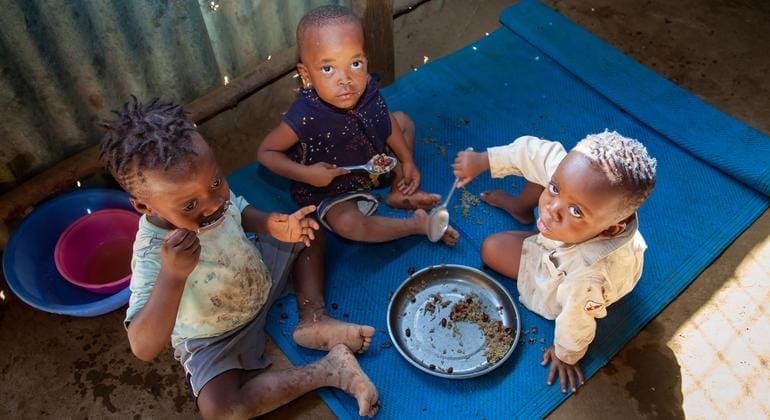
    In an alert, Cindy McCain – who heads the World Food Programme (WFP) – attributed a “dangerous and deepening global hunger crisis” to violent conflicts, extreme weather and economic downturns.  


    The development comes as WFP faces massive shortfalls in funding; it has received less than half of the $13 billion it needs to reach 110 million of the world’s most vulnerable people.

    This means that millions may be cut off from vital assistance, threatening lives and the stability of regions, the agency warned.

    “WFP has proven time and again that early, strategic and innovative solutions can halt famine, stabilize communities, deter migration and enable families to recover,” Ms. McCain insisted.

    Her comments come in a context of increasing hunger crises now affecting 318 million people around the world. In addition, “hundreds of thousands” are already suffering from “famine-like” conditions, WFP says.

    Kenya plan showcases bold vision for refugee self-reliance

    Barham Salih has made his first official visit as UN High Commissioner for Refugees, in charge of UNCHR, calling in the Kenyan capital for stronger global support to develop the solutions refugees need to rebuild their lives.

    Over 800,000 refugees and asylum seekers live in the East African nation. Some 300,000 refugees, mostly from South Sudan, Burundi and the Democratic Republic of Congo, have found safety in the Kakuma region over many years – a place of “transformation and innovation,” said the UNHCR chief.

    He warned that the consequences of a growing lack of humanitarian funding were “stark” in Kakuma.  

    “Despite scarce resources, Kenya continues to show remarkable solidarity for people in need, through smart policies that foster self-reliance and economic growth,” said Mr. Salih.  

    Lack of funding  

    Last year, less than a quarter of UNHCR’s budget for Kenya was funded – severely constricting access to healthcare, water, education and protection services for both refugees and host communities.  

    In light of this, Kenya’s Shirika Plan seeks to transition from humanitarian aid to refugee self-reliance and harmony with host communities, providing refugees with legal IDs, financial services, education, and health care.

    “These inclusive policies hold great promise for transforming the futures of both refugees and the communities hosting them.” said M Salih.  

    Ukraine: 2025 was deadliest for civilians since full-scale conflict erupted

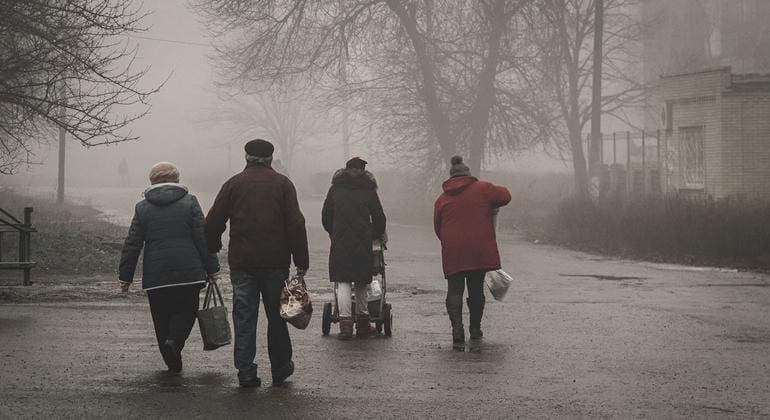
    More than 2,500 civilians were killed in Ukraine in 2025, and nearly 12,250 injured – marking a 31 per cent increase compared to 2024, according to UN human rights monitors.  

    The figures refer to those verified, with the actual total likely to be considerably higher.  

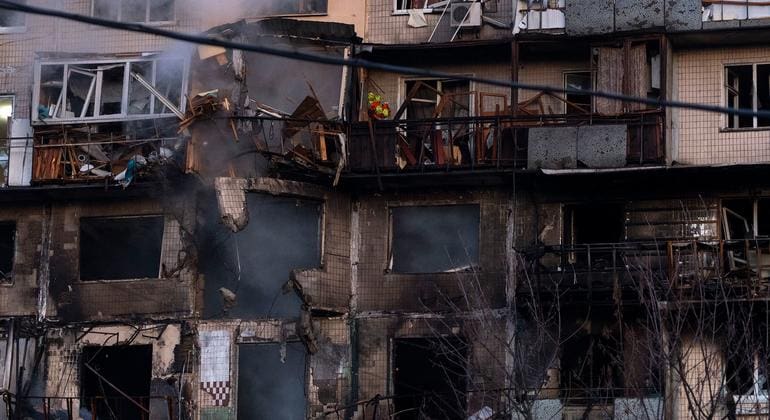
    In December alone, more than 150 were killed and 888 injured. During that month, long-range attacks by Russian forces using missiles and drones caused 33 percent of all civilian casualties (34 killed and 308 injured), hitting cities and towns far from the frontline.

    Some 67 per cent of civilian casualties occurred near the frontline (122 killed and 571 injured).  

    Attacks on energy infrastructure

    Since the conflict began in 2014, nearly 18,500 civilians have been killed.  

    According to the UN Human Rights Monitoring Mission (UNHRMM), the number of civilian casualties is likely to be significantly undercounted in cities such as Mariupol (Donetsk region), Lysychansk, Popasna, and Sievierodonetsk (Luhansk region), where there was protracted intensive fighting at the start of the full-scale Russian invasion which began in February 2022.

    On top of civilian casualties, the Russian Federation also conducted large-scale, region-specific attacks on Ukraine’s energy infrastructure.  

    In December, the Odesa region was among the most affected areas, experiencing repeated strikes that resulted in prolonged outages in several cities. 

    Source link

  • Security Council LIVE: Attacks against Ukrainian civilians unacceptable, unjustifiable and must stop, says UN

    Security Council LIVE: Attacks against Ukrainian civilians unacceptable, unjustifiable and must stop, says UN

    Security Council LIVE: Attacks against Ukrainian civilians unacceptable, unjustifiable and must stop, says UN

    Security Council LIVE: Attacks against Ukrainian civilians unacceptable, unjustifiable and must stop, says UN

    Source link

  • Ukraine: Deadly Russian strikes push civilians deeper into winter crisis

    Ukraine: Deadly Russian strikes push civilians deeper into winter crisis

    Ukraine: Deadly Russian strikes push civilians deeper into winter crisis

    Under-Secretary-General for Political Affairs Rosemary DiCarlo told ambassadors the start of 2026 had brought “no peace or even respite to Ukraine, but renewed fighting and devastation.”

    “As temperatures plummet far below freezing, the Russian Federation has intensified its systematic attacks targeting Ukraine’s energy infrastructure,” she said, noting that the strikes had killed and injured scores of civilians and deprived millions of electricity, heating and water for prolonged periods.

    The impact, she added, is felt most acutely by older people, children and those with limited mobility.

    Drone and missile onslaught

    Ms. DiCarlo cited a major overnight barrage between 8 and 9 January in which Russia reportedly launched 242 drones and 36 missiles.

    In Kyiv, at least four people were reportedly killed and 25 injured, including a paramedic who died while responding to an earlier strike, reportedly hit by a so-called “double-tap” attack.

    Nearly half of the capital was left without heating, and hundreds of thousands of residents were affected.

    Energy and residential facilities were also damaged in western Lviv region, near the Polish border, where an intermediate-range ballistic missile known as “Oreshnik” was reportedly used for the second time since 2024.

    The weapon is believed capable of carrying nuclear payloads, heightening international concern.

    Ports and shipping have also come under attack. On 8 January, two foreign-flagged civilian vessels were struck by Russian drones in the Odesa region.

    Two people were reportedly killed and eight injured in subsequent port attacks that damaged storage facilities and containers. Odesa was hit again on Sunday, in what Ms. DiCarlo described as a “concerning escalation” targeting Ukraine’s port infrastructure and commercial shipping.

    Rosemary DiCarlo, Under-Secretary-General for Political and Peacebuilding Affairs, speaking at a UN Security Council meeting on Ukraine.

    USG DiCarlo briefs the Security Council.

    Humanitarian consequences

    The humanitarian impacts were outlined by Ramesh Rajasingham, Director of the Humanitarian Sector at the UN Office for the Coordination of Humanitarian Affairs (OCHA).

    He said large-scale strikes were pushing “the very means of winter survival to the brink,” as temperatures dropped to nearly minus 10 degrees Celsius.

    “What makes these attacks especially devastating is that they cripple the systems that keep civilians alive during winter,” he said.

    In Kryvyi Rih, families have been melting snow for washing and heating water over candles during prolonged power cuts.

    In Kyiv, more than 1,200 heated safe spaces are operating, alongside 68 additional heating points set up by emergency services and humanitarian partners.

    A wide view of the UN Security Council meeting focused on the maintenance of peace and security in Ukraine, with delegates seated around a large circular table.

    A wide view of the Security Council meeting.

    Displacement continues

    Civilians continue to flee frontline areas under dangerous conditions, particularly from the Donetsk region, with many arriving in safer areas needing shelter, medical care and winter assistance. Humanitarian access remains constrained.

    According to UN estimates, 10.8 million people in Ukraine need humanitarian assistance.

    On Tuesday, the UN and partners are set to launch a $2.31 billion humanitarian appeal for 2026 to support 4.12 million people facing the most severe needs.

    Both officials reiterated that attacks on civilians and civilian infrastructure violate international humanitarian law. “They are unacceptable, unjustifiable, and must stop immediately,” Ms. DiCarlo said.

    “Civilians who are enduring these attacks need more than statements of concern from this council. They need concrete action to reduce civilian harm and ensure that humanitarian support continues to reach people when they need it most,” Mr. Rajasingham added.

    Source link

  • At the heart of change: Spotlight Initiative highlights breakthroughs in tackling gender-based violence

    At the heart of change: Spotlight Initiative highlights breakthroughs in tackling gender-based violence

    At the heart of change: Spotlight Initiative highlights breakthroughs in tackling gender-based violence

    At the heart of change: Spotlight Initiative highlights breakthroughs in tackling gender-based violence  

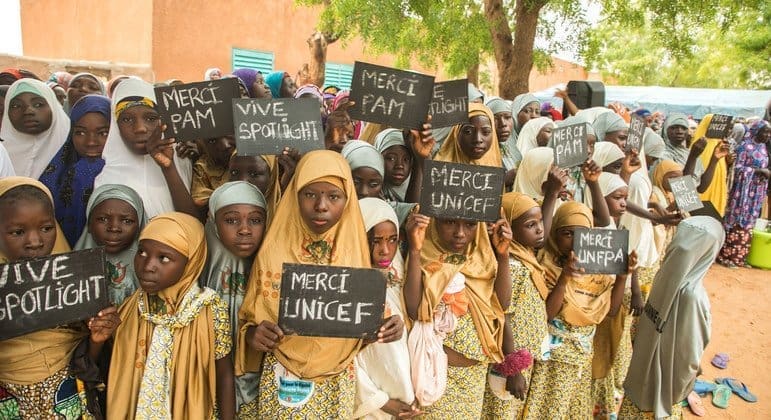
    When it comes to protecting women and girls from gender-based violence, change happens when they are “at the heart of every decision,”according to Erin Kenny, Global Coordinator of the Spotlight Initiative a United Nations–European Union partnership aimed at tackling all forms of abuse against women and girls.  

    Since 2017, Spotlight, has been working to prevent violence, sexual and gender-based violence (GBV), as well as femicide, human trafficking, and labour exploitation.

    Worldwide, one in three women has experienced physical or sexual violence, and in many places, this number is even higher.

    Here are some of the initiative’s major breakthroughs highlighted in a report focusing on its innovative approaches, and its sustained achievements over the past seven years.  

    Finding empowerment in Zimbabwe

    Ndakaitei Matare, a rural woman with a physical disability in Zimbabwe, chairs a community meeting with other women advocating for disability rights and access to resources.

    In Zimbabwe, rural women with disabilities meet to advocate for their rights.

    In Zvimba, Ndakaitei Matare, a mother of one and chair of a disability support group, knows firsthand the challenges of living with a disability having faced, since an early age, barriers to education, assistive devices, and economic opportunities.

    Through a partnership between Spotlight and the government, Ndakaitei and other women with disabilities have found empowerment, raising awareness through disability support groups about GBV, rights and inclusion.

    “We are capable of doing a lot if we unite and work together,” she said, a testament to how knowledge and community can transform lives.

    Access to justice for women  

    Since, access to justice for survivors of sexual violence has significantly improved. Victim-Friendly Courts now offer safe spaces for women and children, and the Judicial Services Commission continues to support survivors with transport and food allowances and has expanded three more courts with separation rooms.  

    Supporting child survivors in Haiti

    A 15-year-old girl, Taïna, stands in silhouette, looking out a window, symbolizing her resilience after surviving gender-based violence in Haiti and receiving support from UNICEF partner OFAVA.

    A teenage survivor of gender-based violence is recovering in Haiti.

    In summer 2023, Taina* was kidnapped and held captive for a week by a Haitian gang.

    She recalled being held in a residence where two men raped her one after the other, describing it as a ‘nightmare week’.  

    While others were also held captive, she was the only minor.

    Thanks to Spotlight, Taina received medical, psychological, and social support, housing, microfinance and income-generation training, school fee assistance, and emergency relocation.

    “In this environment, I could finally breathe,” said Taina.  

    She now looks to the future with determination, dreaming of becoming a police officer and planning to resume her studies while pursuing courses in beauty treatment and cooking.

    Tackling sexual violence  

    More than one in three Haitian women has experienced violence from a partner or husband. Nearly 30 per cent of women of childbearing age have suffered physical violence — almost half from an intimate partner. Twelve per cent have experienced sexual violence, including many girls aged 15 to 17.  

    Supporting women migrant workers’ rights in Thailand  

    A woman migrant worker in Thailand stands by a window overlooking a cityscape, reflecting on her journey and experiences.

    © ILO/Chalalai Taesilapasathit

    Migrant workers like Namwaan* need support to ensure safe and decent jobs.

    Namwaan* left Myanmar in 2003 to pursue a better life in Thailand.

    The first job she found was in a textile factory. She recalled working long hours for little income. “I had to work 12-16 hours per day for only 70 baht ($3).”  

    Invisible, exploited, abused, silenced. These are just some of the words used by women migrant workers to describe their working conditions.

    As Namwaan didn’t read or speak Thai, she was not able to negotiate her working conditions and she feared she’d be punished by her employer if she tried to speak up.  

    “Some of my colleagues were harassed, locked up, or faced physical abuse when they spoke up about their working conditions,” she said.

    Recovering from abuse

    Through awareness campaigns, support desks located at airports, and service provider training, the Spotlight Initiative has explained therisks faced by women migrant workers.  

    For Namwann, the training offered a space to connect with others who had faced similar abuse.

    “I felt completely connected to their stories,” she said. “This programme gives millions of women hope for decent work free from violence.”

    Banning corporal punishment in Tajikistan  

    In 2023, Tajikistan became the 66th country in the world to ban corporal punishment, a transformative policy shift which was made possible through the Spotlight Initiative.

    Shermatova Marjona, a 35-year-old mother of three in Tajikistan, stands with her children outside their home, highlighting the issue of gender-based violence and the need for social and legal support.

    A mother and her three children stand outside their home in Tajikistan.

    Partnering with the Ministry of Health, the initiative established 15 victim support rooms — offering integrated medical, psychological, and referral services, including short-term shelter.  

    More notably, transformation extended into communities — strengthening the role of religious leaders as advocates for gender equality and key actors in violence prevention efforts.  

    In more than 300 schools, Spotlight supported the creation of a national incident reporting mechanism which the government took full ownership of and publicly committed to expanding nationwide by 2030. 

    Source link

  • Sudan war leaves millions hungry and displaced as health system nears collapse

    Sudan war leaves millions hungry and displaced as health system nears collapse

    Sudan war leaves millions hungry and displaced as health system nears collapse

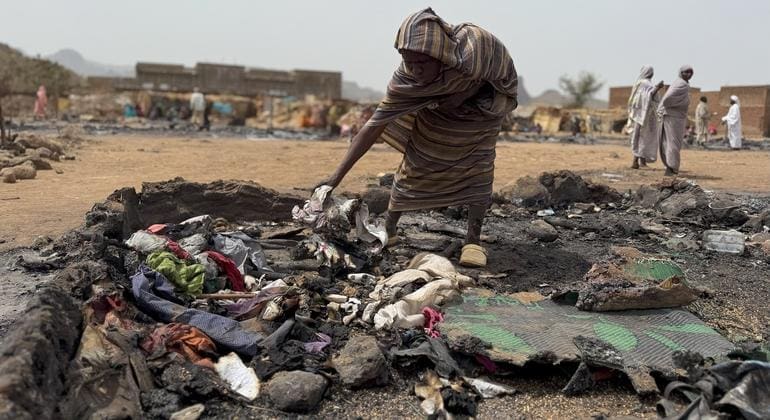
    UN agencies warn that nearly three years of sustained violence, restricted humanitarian access and shrinking funding have pushed Sudan into what they describe as the largest humanitarian emergency in the world.

    An estimated 33.7 million people – around two thirds of the population – are expected to need humanitarian assistance in 2026. More than 20 million people now require health assistance, while 21 million face acute food insecurity.

    Devastating impact

    The conflict erupted in April 2023 following a power struggle between the Sudanese Armed Forces (SAF) and the paramilitary Rapid Support Forces (RSF), plunging the country into a civil war that has spread from the capital Khartoum to Darfur, Kordofan and other regions.

    The fighting has devastated infrastructure, fractured state institutions and left civilians exposed to widespread violence, displacement and deprivation.

    Repeated ceasefire efforts have failed, and large swathes of the country remain inaccessible to humanitarian actors due to insecurity, bureaucratic constraints and ongoing hostilities.

    Patients receive treatment in a tent outside a hospital in Khartoum, as Sudan’s health system comes under severe strain from attacks, shortages, disease outbreaks, and natural disasters.

    © UNICEF/Ahmed Mohamdeen Elfatih

    Patients receive treatment in a tent outside a hospital in Khartoum, as Sudan’s health system comes under severe strain from attacks, shortages, disease outbreaks and natural disasters.

    A health system on the brink

    According to the World Health Organization (WHO), Sudan’s health system has been pushed close to collapse by ongoing fighting, mass displacement and repeated attacks on medical facilities. More than one third of health facilities nationwide are non-functional, cutting millions off from essential and lifesaving care.

    Since the conflict began, WHO has verified 201 attacks on healthcare, resulting in 1,858 deaths and 490 injuries. Such attacks violate international humanitarian law and place patients, caregivers and health workers at grave risk.

    One thousand days of conflict in Sudan have driven the health system to the brink of collapse,said Shible Sahbani, WHO Representative in Sudan. “Under the strain of disease, hunger and lack of access to basic services, people face a devastating situation.”

    Despite insecurity and access constraints, WHO continues to support lifesaving services, having delivered more than 3,300 metric tonnes of medicines and medical supplies worth around $40 million. It also supported cholera vaccination campaigns and helped millions access care through hospitals, primary health centres and mobile clinics.

    Mass displacement

    Sudan is also the world’s largest displacement crisis, with an estimated 13.6 million people uprooted by the fighting – around 9.3 million internally displaced and a further 4.3 million seeking refuge in neighbouring countries.

    Overcrowded living conditions, poor sanitation and disrupted services have fuelled outbreaks of cholera, malaria, dengue and measles across much of the country.

    A close-up of hands using a measuring tape to assess a child's arm circumference at a UNICEF-supported nutrition center in Tawila, North Darfur, Sudan, for early detection of malnutrition.

    A child is screened for malnutrition at a UNICEF-supported nutrition centre in North Darfur, Sudan in December 2025. The red color signifies Severe Acute Malnutrition (SAM).

    Children bearing the heaviest burden

    Children make up about half of those expected to need humanitarian assistance in 2026, according to the UN Children’s Fund (UNICEF).

    Children continue to be killed and injured,said UNICEF Regional Director for the Middle East and North Africa Edouard Beigbeder, noting that eight children were reportedly killed in a single attack in North Kordofan this week alone.

    In North Darfur alone, nearly 85,000 children suffering from severe acute malnutrition were treated between January and November 2025 – roughly one child every six minutes – underscoring the scale of the crisis.

    Calls for peace and access

    Both WHO and UNICEF stress that humanitarian action, while lifesaving, cannot substitute for peace.

    “To meet the mounting needs and prevent the crisis from spiralling out of hand, WHO and humanitarian partners require safe and unimpeded access to all areas of Sudan, and increased financial resources,” Dr. Sahbani said.

    For children, UNICEF warns, only an end to the fighting can halt the erosion of safety, health and hope.

    All parties must uphold their obligations under international humanitarian law: protect civilians, stop attacks on infrastructure, and allow safe, sustained and unimpeded humanitarian access,” Mr. Beigbeder said.

    Source link

  • Sudan: After 1,000 days of war, millions of civilians still bearing brunt

    Sudan: After 1,000 days of war, millions of civilians still bearing brunt

    Sudan: After 1,000 days of war, millions of civilians still bearing brunt

    Latest UN data indicates that 9.3 million people have been uprooted by conflict across the country and more than 4.3 million have fled across borders, placing immense strain on neighbouring countries. More than 21 million people are also believed to be acutely food insecure across the country.

    Although many of those displaced have returned to the capital, Khartoum, massive challenges and dangers for civilians remain there, including from unexploded weapons. Elsewhere, fighting is continuing “across multiple fronts in Kordofan” further west, OCHA spokesperson Jens Laerke said.

    Speaking to journalists in Geneva, he noted that sieges have cut off the towns of Kadugli – capital of South Kordofan state – and Dilling – a town to the north of Kadugli – restricting food, healthcare and access to farms and markets. 

    Daily drone, missile strikes

    In Darfur, meanwhile, “fighting on the ground and drone attacks from the sky continue”, while long-range strikes on civilian infrastructure have also been recorded far beyond the front lines, Mr. Laerke added.

    Children continue to be killed and injured amid ongoing clashes between the Sudanese Armed Forces and paramilitary Rapid Support Forces, with eight children reportedly killed in an attack in Al Obeid, North Kordofan, earlier this week. 

    According to the UN Children’s Fund (UNICEF), a staggering 5,000 youngsters have been displaced every day since the conflict began in April 2023. “Many have been displaced not once but repeatedly, with violence following them wherever they flee,” said UNICEF spokesperson Ricardo Pires. 

    He warned that millions of children are also at risk of rape with survivors including babies. “Behind every one of these numbers is a child, frightened, hungry, sick and wondering why the world has not come to help,” Mr. Pires added.

    Sexual attacks scourge

    Women are also victims of “rampant” sexual violence and abuse, with some 12 million people – mostly women and girls – at risk of gender-based violence, according to OCHA. “Female-headed households are now three times more likely to be food insecure and three-quarters of these households report not having enough to eat,” said Mr. Laerke.

    The global crisis in humanitarian funding has impacted the UN’s work and that of its partners in Sudan, with only 36 per cent of the $4.2 billion requested last year finally funded by donors. 

    In light of this reduced financial support, for 2026, OCHA aims to assist 20 million people out of the nearly 34 million people believed to be in need of humanitarian support in Sudan. The plan has been costed at $2.9 billion.

    “Today our call is urgent: first, an immediate cessation of hostilities and real steps towards a lasting peace,” Mr. Laerke said. “Second, adherence to international humanitarian law with access facilitated across conflict lines and protection of civilians including aid workers and civilian infrastructure.”

    Source link

  • Ukraine: Massive overnight attack leaves millions in the dark

    Ukraine: Massive overnight attack leaves millions in the dark

    Ukraine: Massive overnight attack leaves millions in the dark

    Russian forces launched hundreds of drones and several missiles in the capital Kyiv and other cities, including one that can carry nuclear warheads, according to media reports. 

    At least four people were killed in Kyiv, and roughly 25 others injured, while thousands of apartment buildings in the city were left without heat in the cold weather. 

    The victims included a medic who was saving others as part of an emergency services team, the UN World Health Organization (WHO) said in a tweet.  Four healthcare workers were injured, and three ambulances were damaged. 

    Attacks ‘must stop immediately’: Guterres

    UN Secretary-General António Guterres said in a statement issued by his Spokesperson that he strongly condemned the ongoing targeted missile and drone attacks.

    “These attacks have resulted in significant civilian casualties and deprived millions of Ukrainians of essential services, including electricity, heating and water at a time of acute humanitarian need,” the statement added.

    “Attacks against civilians and civilian infrastructure violate international humanitarian law. No matter where they occur, they are unacceptable, unjustifiable, and must stop immediately.”

    Millions without heat 

    In a social media post, UNICEF said that three children were reportedly injured in the massive attack across Ukraine which “left millions without heating, water and power.” 

    The agency “is further bolstering energy systems to also enable repairs and is working around the clock with local authorities to help keep critical services for children and families running.”  

    In the city of Kryyvi Rih in central Ukraine, aid workers distributed hot meals to affected residents and first responders, in addition to providing construction materials to cover damaged apartments, the UN Office for the Coordination of Humanitarian Affairs (OCHAtweeted

    A continuing ‘trend’  

    The attack occurred in a week when massive airstrikes were carried out on Kharkiv in the northeast, Dnipro in the east, and the Kherson region in the southeast, said Elisabeth Haslund, spokesperson for the UN refugee agency, UNHCR

    It’s really emphasising the continuation of this trend with intensified Russian attacks on Ukraine that we have witnessed on the ground for several months. And this is clearly continuing now into 2026,” she told UN News

    The ongoing war together with severe attacks, winter weather conditions and targeting of the energy infrastructure are making the humanitarian situation in Ukraine “extremely serious,” she added. 

    UNHCR and local partners have been responding with critical and life-saving emergency aid, which includes providing emergency shelter materials to families, psychosocial support, counselling and legal aid for people who have lost documents or need assistance in accessing compensation.  

    Support for families 

    The UN continues to call for an end to the full-scale Russian invasion of Ukraine, which began on 24 February 2022. Since then, more than 50,000 civilians have been killed or injured, although the actual number is likely higher. 

    WHO said that so far this year, it has documented nine attacks on healthcare, two deaths and 11 injuries. 

    UNICEF has been in the country since before the conflict began. 

    It supports families in numerous ways, including working to ensure the functionality of heating infrastructure, providing solid fuel as well as winter clothing and blankets for children, rehabilitating school shelters, and enabling access to safe water in areas where supply networks have been damaged or destroyed. 

    Last month, UNICEF launched a $350 million appeal to provide humanitarian assistance in Ukraine this year with the goal of supporting 4.3 million people, including 725,000 children. 

    Source link

  • Aid continues despite winter hardship in Gaza and West Bank, UN says

    Aid continues despite winter hardship in Gaza and West Bank, UN says

    Aid continues despite winter hardship in Gaza and West Bank, UN says

    That’s according to UN Spokesperson Stéphane Dujarric, briefing journalists in New York on Thursday.

    Citing the UN aid coordination office, OCHA, Mr. Dujarric said humanitarian teams are continuing to support the most vulnerable families in Gaza “despite impediments” and the cumulative impact of two years of conflict between Israeli forces and Hamas militants.

    “Over the past days, one of our partners distributed 7,000 dignity kits, more than 5,600 dignified family hygiene kits and 1.3 million bars of soap to some 200,000 people,” he said, stressing that assistance is reaching communities in both the north and south of the devastated Strip.

    Just trying to survive

    Emergency shelter support remains a priority as temperatures drop.

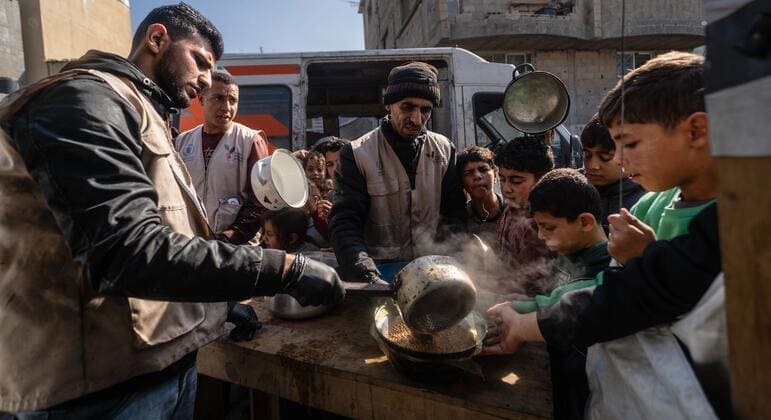
    Humanitarian partners have reached more than 16,000 households across Gaza with tents, tarpaulins and other essential materials, including kits to weatherproof and reinforce makeshift shelters. “These are people trying to survive winter in extremely fragile conditions,” Mr. Dujarric noted.

    Winterisation assistance has also included the distribution of thousands of blankets, mattresses and bedding kits to improve sleeping conditions, alongside kitchen sets and clothing assistance for hundreds of households. 

    At the same time, water trucking operations are continuing across the territory. “Thirty-six partners are distributing more than 21,500 cubic metres of fresh water every day to over 2,300 collection points,” he said.

    Education efforts, while constrained, are also progressing. More than 420 temporary learning spaces are now operating across Gaza, serving over 230,000 students with the support of some 5,500 teachers. 

    Critical to scale up

    Mr. Dujarric underscored that scaling up remains “a critical priority” but depends on the entry of essential supplies that are still being denied. Even so, renovation work in public schools continues, with new classrooms in Gaza City now allowing more than 1,800 children to return to learning.

    On health, Mr. Dujarric said the World Health Organization (WHO) recently facilitated the evacuation of 18 patients and 36 companions for medical treatment outside Gaza. “These medical evacuations remain absolutely essential,” he added.

    West Bank demolitions continue

    Turning to the West Bank, OCHA reports that severe winter weather has damaged or destroyed dozens of tents and makeshift shelters in Bedouin and herding communities. 

    The UN is also warning of continued demolitions of Palestinian-owned structures by Israeli authorities for lack of permits, with 50 structures demolished over the past two weeks.

    “Our message is simple,” Mr. Dujarric said. “Across Gaza and the West Bank, the UN and its partners are doing everything possible to keep assistance going for people in need, despite extremely difficult conditions.”

    Source link

  • World News in Brief: Fighting intensifies in Syria’s Aleppo and South Sudan’s Jonglei state, acute hunger in Niger

    World News in Brief: Fighting intensifies in Syria’s Aleppo and South Sudan’s Jonglei state, acute hunger in Niger

    World News in Brief: Fighting intensifies in Syria’s Aleppo and South Sudan’s Jonglei state, acute hunger in Niger

    Clashes between government troops and Kurdish forces have intensified in recent days and tens of thousands of people have been displaced. 

    Representatives of the Office of the Secretary-General’s Special Envoy for Syria continue to be in contact with all concerned parties, UN Spokesperson Stéphane Dujarric told journalists in New York. 

    Civilians killed, health facilities shuttered 

    The UN aid coordination office (OCHA) reported that as of Wednesday, at least five civilians – including two women and a child – were reportedly killed and dozens more injured, according to local authorities. 

    Several health facilities have also been impacted, including three hospitals, with some reportedly ceasing operations due to damage and attacks.  Movement restrictions have also been imposed on key roads. 

    “Since yesterday morning, thousands of families have fled their homes, with many seeking shelter with host communities in Aleppo city and the various districts of Afrin,” said Mr. Dujarric. 

    Authorities have announced the opening of two humanitarian corridors for civilians to evacuate.  

    Humanitarians are mobilizing resources to respond to the growing displacement, he said. A UN team in Aleppo has carried out an assessment mission to Yad Al Aoun camp in Afrin to evaluate immediate needs and the capacity to respond. 

    South Sudan: Violence in Jonglei state sparks displacement, disrupts aid operations  

    A surge in conflict and airstrikes in Jonglei state, South Sudan, has forced people to flee their homes and disrupted humanitarian operations, OCHA said in its latest update. 

    Since 29 December, renewed fighting between the army and opposition has displaced some 100,000 people, mainly women, children and older persons, local authorities report.  

    Most are now sheltering in remote areas, while others have fled to neighbouring states, with authorities in Lakes state registering more than 11,000 arrivals. 

    Aid efforts affected 

    Meanwhile, several humanitarian organizations in northern Jonglei state have relocated their staff due to the insecurity and instructions by parties to evacuate the area.  

    Those organizations that continue to operate with local staff, report growing challenges including in restocking health facilities and sustaining other essential activities.  

    “The situation is further compounded by reports from several humanitarian organizations that their facilities and assets have been looted or confiscated by both parties,” OCHA said. 

    This is disrupting provision of essential health services for thousands at a time when South Sudan continues to grapple with food insecurity, disease outbreaks and the impact of flooding last year. 

    OCHA continues to engage with all parties to ensure that aid can reach people safely. 

    Food security experts warn of acute hunger and disease in Niger 

    More than 1.6 million young children in Niger are suffering from acute malnutrition – with many more at risk, UN-backed food insecurity experts said on Thursday. 

    The warning comes in an assessment from the international food security monitoring platform, or IPC, which noted that at least 306,000 pregnant and breastfeeding women are also in danger. 

    The security situation in Niger remains volatile following a military coup in July 2023, with jihadist insurgents still active. 

    Although nutrition levels have improved since the last UN-backed assessment, there are still concerns for refugees living in Agadez, Diffa and Maradi regions. 

    The worst conditions were reported in Diffa region that borders Chad and in Maradi region close to Nigeria, between August and November last year. 

    While the situation is expected to improve between now and April – marked by fewer cases of diarrhoea, malaria and better food availability – conditions are expected to deteriorate again with the onset of the lean and rainy season in May. 

    Source link

  • Drones, fear and exhaustion: The daily reality of providing aid to Ukraine

    Drones, fear and exhaustion: The daily reality of providing aid to Ukraine

    Drones, fear and exhaustion: The daily reality of providing aid to Ukraine

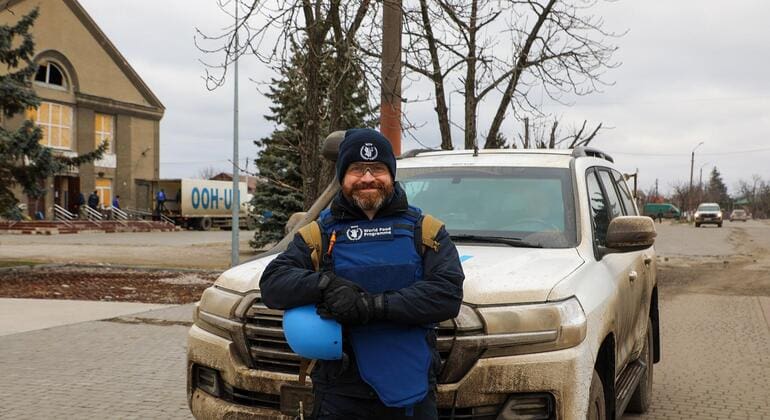
    For frontline workers like Oleg Kemin from the UN World Food Programme (WFP), this involves travelling deep into disputed territory along the 1,000-kilometre contact line separating Ukraine from Russia, where attack drones are a deadly menace.

    In an exclusive interview with UN News, Oleg describes his work as a security officer and the challenges he faces, trying to deliver food aid to vulnerable communities. 

    There’s little respite even away from the front, he notes, with cities including the capital Kyiv shelled repeatedly and pitched into darkness – as was the case just before we spoke to him.

    His conversation with Daniel Johnson has been edited for length and clarity:

    Oleg Kemin: “Every night like this, with the shelling attacks, it’s quite difficult for us; the energy infrastructure of Ukraine is under fire, so each such attack can mean new blackouts all across the country. Also, there are new victims which creates additional tensions.

    Let’s say that people who are spending sleepless nights in the shelters cannot be as productive as usual. As a Security Operations Officer for the UN, my job is to track those constant air raid alerts, trying to keep our staff safe and warning them about the alerts.

    UN News: How do you cope with the constant threat of attack?

    Oleg Kemin: Next month it will be four years since the war started. I still remember the first attacks, I still remember the first air raid alert and it was very scary. It’s impossible to get used to it, especially when you can see the damage and destruction, but people are somehow getting used to everything. 

    But from time to time, when you’ve been at work and you are tired, you do not hear the air raid alert on your phone app, or the air raid siren in the street. Other times you’re waking up with the first explosion and it’s impossible to move to the shelter, because there is already an attack happening. 

    You create mechanisms – not to cope – but to understand the situation more clearly, and you follow emergency procedures. For example, if the attack is over, should we start the headcount and assess needs? 

    All across the country, people who are working in the energy companies and the water companies are doing their best to maintain normal life as much as possible, to restore electricity. In the capital, we have more opportunities to make repairs very quickly, but in some cities – even the left bank of Kyiv – was without electricity for quite a long time.

    UN News: Where are needs greatest in Ukraine today?

    Oleg Kemin: Some of the most vulnerable communities are in Pokrovsk, Kupyansk, Konstantynivka and Dobropillya – they’re all in the news today. We used to send aid convoys to these locations. It’s really sad to see with the gradual moving of the frontline, how life starts to escape from these cities. 

    On your first trip it’s a normal city, but then the shops start to close, more building become damaged and there are fewer people on the streets. On the final mission, you see only an empty and closed city and people who have no place else to go.

    UN News: How are aid teams protecting themselves from drone attacks?

    Oleg Kemin: At the moment in frontline areas, there is a high presence of first-person view (remote-controlled) drones. They are relatively small and usually each of them is directed by an operator. When any of our humanitarian convoys are moving toward such a zone, we inform both sides to the conflict of their GPS coordinates using the standard Humanitarian Notification Systems (HNS), so they can safely reach their destination.

    Here is the tomb of my husband, of my kids, I have nowhere else to go; the only thing I can do is to look after their tombs

    But that only applies to UN vehicles; the rest of the civilian and military vehicles in the convoy can be vulnerable, so to deter drones, the Ukrainian armed forces build corridors of nets mounted on pylons either side of the road for 10 to 15 kilometres. 

    The small drones don’t have enough velocity to penetrate through the netting, so they get stuck in it, and that can offer some protection. Let’s say it’s the very, very last hope, but at least it exists. In such a corridor, you feel safer, because there is at least some layer of protection around your vehicle.

    Of course, wars are constantly developing and there are already ways of penetrating these nets, or drones look for gaps in the netting, especially in the autumn and winter when strong winds can rip the canopy. This is a double risk because if the net wraps around a wheel, it will stop the vehicle and incapacitate it.

    A white SUV drives along a rural road in Ukraine, passing under a large agricultural net supported by poles. The scene suggests humanitarian or emergency response operations by WFP.

    A WFP vehicle passes under drone-protection nets in Kherson, Ukraine

    UN News: What can you tell us about the people who need WFP’s help? 

    Oleg Kemin: Last summer, we went on missions to remote communities in Kharkiv region (in northeast Ukraine, close to the Russian border). There are villages we assessed which are impossible to reach now, because it’s a very active combat zone, but people are still living there.

    In one of those villages, when I had the opportunity to ask one of inhabitants, an elderly  woman, why she was not leaving the village and she said, ‘Here is the tomb of my husband, of my kids, I have nowhere else to go; the only thing I can do is to look after their tombs.’

    It’s our land, it’s the house in which I grew up, it’s a house which was built by my great-grandparents, it’s my land and I don’t want to leave

    People are still living in these communities, and to get to them it was impossible by truck, so we removed the back seats from our armoured vehicles, filled them to the very top with food kits, and we literally drove through the mud. 

    Our partners’ vehicles got stuck, so we had to pull them out. People were living so close to the fighting – they were just 4.5 kilometres from the Russian border and drone activity from both sides was very high over there – so, sometimes with such communities, we bring them double the amount of food kits, because we never know if we will be able to reach them in the coming months.

    UN News: What more can you tell us about the Ukrainian communities you’ve reached?

    Oleg Kemin: It’s elderly people, pensioners especially. A few times people who are living there have been telling us, ‘It’s our land, it’s the house in which I grew up, it’s a house which was built by my great-grandparents, it’s my land and I don’t want to leave!’ 

    Other times, we’ve met people who’ve been telling us that they had tried to go to European countries or western Ukraine, but because of their age, they were not able to find a job to make enough income to rent a house, so they had to return home to their war-contested communities. Also, for people with disabilities and their relatives, it’s not so easy for them to move from those communities. 

    The State offers evacuation and assistance, but still a lot of people are planning to stay there. And they’re among those we are helping in the communities closest to the frontline where shops are closed and no one is bringing food. Further away, if markets are open, our donors provide a little cash-based help so people can choose what to add to their food basket.

    A white car drives down a damaged street in Ukraine, flanked by heavily bombed apartment buildings with broken windows and charred facades.

    A UN vehicle passes through a destroyed town in Ukraine.

    UN News: Another key part of WFP’s mission is making farmland safe again so that Ukrainians can work their land. What more can you tell us?

    Oleg Kemin: Yes, we are involved in mine-clearing work. Ukraine is a huge agricultural country and a huge amount of land – up to 25 to 30 per cent – is polluted with the unexploded ordnance and explosive remnants of war. 

    So, WFP works in demining to make land available for agricultural works again. As you know, grain from Ukraine helps to feed countries in Africa and almost all over the world, so one of the goals for us is to participate in that activity to make it possible to fight hunger, not only in Ukraine, but using, let’s say, Ukrainian grain also all around the globe.”

    Source link