
Category: United Nations

  • DR Congo: Clean water ‘a lifeline’ for around 364,000 children a day in Goma

    The intense conflict at the end of January, which saw the city overrun by Rwanda-backed M23 rebels, left many of the city’s two million residents without access to clean water, sanitation or power. A third of them have only recently been displaced.

    The humanitarian crisis sparked by the fighting between Congolese Government forces, M23 and other armed factions – who have fuelled instability in the restive east for decades – has raised two pressing needs, says UNICEF.

    Hundreds of thousands of people are now moving from previous displacement sites around Goma to areas of return with only limited water and sanitation services.

    Clean water is a lifeline. With ongoing cholera and mpox epidemics in eastern DRC, children and families need safe water now more than ever to protect themselves and prevent a deeper health crisis,” said Jean Francois Basse, UNICEF‘s acting Representative in DRC.

    Deadlier risk than violence

    “Around the world, children in protracted conflicts are three times more likely to die from water-related diseases than violence. Re-establishing essential services needs to be prioritised, or we risk even more lives.”

    Despite the deteriorating security situation, UNICEF responded immediately by trucking water to three health facilities, including the Virunga General Referral Hospital, which treated around 3,000 injured patients.

    Medical kits to treat 50,000 people were also distributed to health centres overwhelmed with patients.

    Around 700,000 people now have daily access to water through the REGIDESO water utility company after UNICEF and the UN peacekeeping mission, MONUSCO, provided 77,000 litres of fuel, enabling the five main pumping stations to restart after they had shut down due to powerline cuts.

    On the east side of Goma, an additional 33,000 people are receiving water through a UNICEF-constructed water network in the Bushara-Kayarutshiyna area.

    Cholera cases tick up

    However, many still rely on untreated supplies directly from Lake Kivu. UNICEF and partners have set up more than 50 chlorine sites along the coast to treat lake water, supplying 56,000 people daily in a bid to limit the spread of cholera.

    “We are already seeing worrying signs of a rise in cholera cases, closely tied to increased displacement and people relying on unclean water. While gathering data is difficult in these challenging circumstances, with the main rainy season approaching, we’re extremely worried about an explosion in cases,” said Mr. Basse.

    Over the last decade, cholera has killed over 5,500 people in the DRC, where only 43 per cent of the population has access to at least a basic water service, and only 15 per cent has access to basic sanitation.

    In Goma, the conflict has made a dire situation worse. Even before the current escalation, approximately 700,000 displaced people lived in camps with dangerously inadequate access to water, sanitation and hygiene, exposing children to diseases and increasing risks of gender-based violence for women and girls collecting water and firewood.

    In line with the Geneva List of Principles on the Protection of Water Infrastructure, UNICEF is calling on all parties to the conflict to safeguard water supplies.
    Source link

  • Food prices soar as Israel blocks aid into Gaza

    That’s according to the UN aid coordination office, OCHA, which said on Monday that the Kerem Shalom, Erez and Zikim crossing closures means that vital humanitarian assistance, including thousands of tents, can’t be delivered to civilians in need.

    Phase one of the ceasefire mediated by Egypt, Qatar and the US expired on Saturday, with Hamas calling on Israel to move on to the next agreed phase – but Israel is calling instead for a continuation of phase one through the end of the Holy Month of Ramadan in line with a proposal from the top US envoy to the region.

    January’s ceasefire deal has seen the release of 33 Israeli hostages who’ve been held captive since the 7 October terror attacks, with around 1,900 Palestinian prisoners exchanged.

    “The ceasefire has provided the opportunity to distribute food, to distribute water, as well as shelter assistance and medical aid, allowing nearly everyone in Gaza to receive food parcels,” said UN Spokesperson Stéphane Dujarric, briefing reporters in New York.

    “Our humanitarian partners tell us that following the closure of the crossings into Gaza yesterday, flour and vegetable prices increased more than 100-fold. Partners are currently assessing the stocks that are currently available,” he added.

    Ceasefire, ‘a critical lifeline’: UNICEF    

    The UN children’s agency, UNICEF, warned that the stoppage of aid deliveries into Gaza will quickly lead to devastating consequences for children and families who are simply struggling to survive.

    “The aid restrictions announced yesterday will severely compromise lifesaving operations for civilians,” said Edouard Beigbeder, UNICEF Regional Director for the Middle East. “It is imperative that the ceasefire – a critical lifeline for children – remains in place, and that aid is allowed to flow freely so we can continue to scale up the humanitarian response.”

    The agency said that between 19 January and last Friday, almost 1,000 UNICEF trucks had crossed into the enclave carrying clean water, medical supplies, vaccines, therapeutic food and other materials.

    Since the start of the ceasefire on 19 January, UNICEF and partners have provided warm clothing to 150,000 children in Gaza and increased daily water distribution for nearly half a million people living in more remote areas, Mr. Dujarric said.

    Nearly 250,000 children and thousands of pregnant and breast-feeding mothers have received nutritional supplements since the ceasefire took effect.

    Over the past two weeks, in Rafah, Khan Younis and Deir al Balah, aid partners have distributed vegetable seed kits for gardening to try and encourage more diverse diets.

    Around 1,500 water distribution points are now operating across Gaza – double the number operational at the start of the ceasefire. “However, partners tell us that pipes and spare parts for maintenance are urgently needed,” said Mr. Dujarric.

    Classrooms open

    Across Gaza, more than 100 public schools have reopened, allowing around 100,000 students back into the classroom.

    In Gaza City and North Gaza, UN partners will use tents to ensure children can continue learning, with some wood pallets recycled into school furniture.

    OCHA teams visited a displacement site in Khan Younis on Monday where around 1,200 people are staying. These communities have not been allowed to return to their homes, which are located in the buffer zone.

    OCHA is working to mobilise assistance to meet their needs.

    Meanwhile in the occupied West Bank, OCHA reports that ongoing operation by Israeli forces continues to drive humanitarian needs in northern areas. Humanitarian partners continue to face movement restrictions.

    Source link

  • US cuts mean ‘essential’ UN mental health teams in Ukraine risk closure

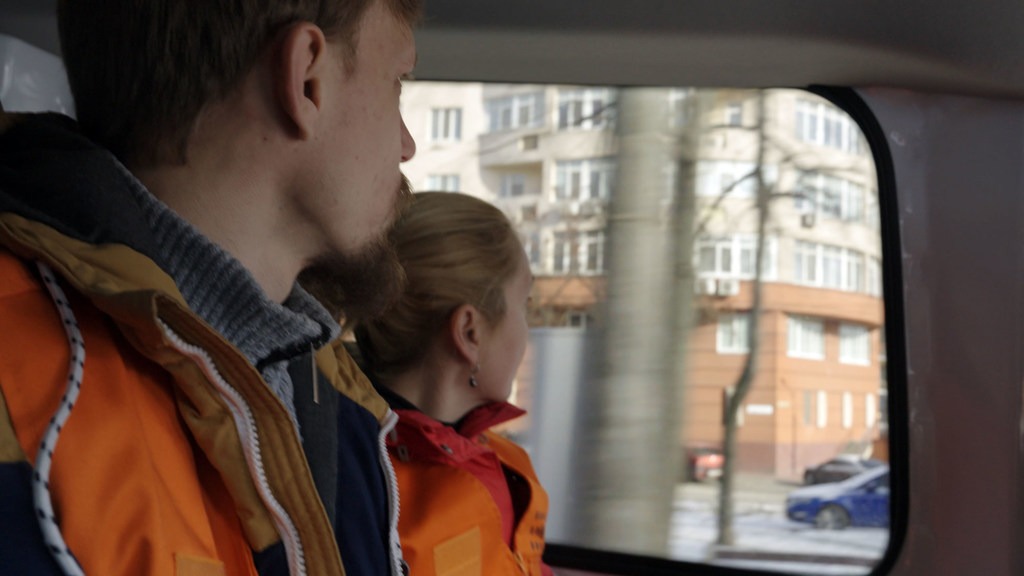
    A young mother, five children in tow, steps off a train in the central Ukrainian city of Dnipro, holding a small bag. She is fleeing Russian attacks in the Zaporizhzhia region, she is also escaping a violent partner, a man who once beat her so severely she suffered a miscarriage.

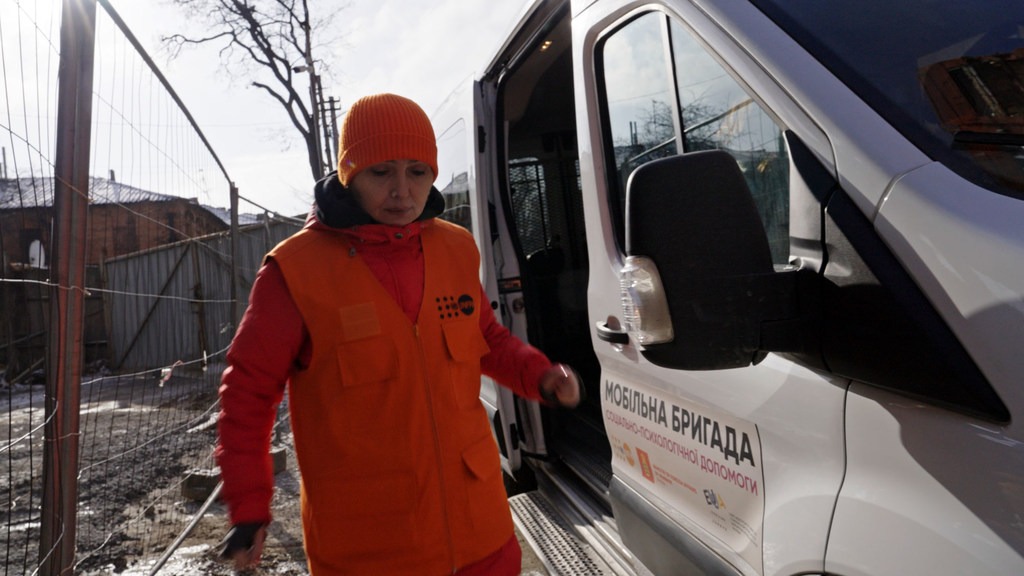
    She needs urgent medical attention, legal assistance and a safe place for her children. “We met her at the train station,” says Tetiana, a psychologist with a mobile team since 2022. “We also organized a medical escort and lawyers to help with her documents and referrals.”

    Trauma, distress and surging domestic abuse

    Tetiana’s unit is one of 87 UNFPA psychosocial support teams, on call for emergency interventions. She can also refer survivors for longer-term assistance, job training and access to legal aid. These resources remain critical for survivors of abuse long after the initial danger has passed – especially in a country where three years of war have caused widespread trauma and deep psychological distress.

    Since Russia’s full-scale invasion three years ago, reports of intimate partner violence, domestic abuse, sexual violence and other forms of gender-based violence have surged more than threefold in Ukraine. An estimated 2.4 million people – mostly women and girls – are in urgent need of gender-based violence prevention and response services. “Even after finding some physical safety in Dnipro, many struggle with lingering panic attacks, nightmares and depressive symptoms,” says Tetiana.

    UNFPA’s mobile psychosocial support teams are often the first to respond to cases of gender-based violence after the police.

    UNFPA’s mobile psychosocial support teams are often the first to respond to cases of gender-based violence after the police.

    Almost two thirds of households in Ukraine report dealing with some form of anxiety, depression or extreme stress, thwarting people’s ability to find work or care for family members. Financial hardship, mass job losses, deaths of loved ones and fears of future attacks are only intensifying their distress. Without proper counselling and care, the cycle of trauma can also be passed down to future generations, risking long-term and wider-spread harm to the community

    Surviving is just the beginning

    Roman joined the team in Dnipro as a social worker in April 2022, arranging coordination with social services and public organizations. “We have built a response system for people’s safety and support,” he said, explaining that they are often the first to respond to cases of gender-based violence, after the police. “We are an ambulance of sorts for gender-based violence incidents.”

    These services are vital, especially for women without stable income or housing, as the war has put many at risk of economic exploitation or renewed violence.

    “Many people think surviving the initial threat is the end of the story,” added Tetiana. “But the real healing only starts once they are physically safe. Without psychosocial support, it’s difficult for them to recover from trauma or prevent further harm.”

    Tetiana has worked as a psychologist with UNFPA’s mobile psychosocial support team in Dnipro since early 2022.

    Tetiana has worked as a psychologist with UNFPA’s mobile psychosocial support team in Dnipro since early 2022.

    In crisis settings, the risk of violence against women and girls escalates – including conflict-related sexual violence – and the demand for protection and response services spikes. Yet, as displaced women often lack social networks to turn to and are stigmatized if they report abuse, the police can request the mobile team’s support on-site to coordinate further interventions, such as safe housing or counselling.

    Health workers under fire

    It’s a situation fraught with danger, and response workers themselves can come under fire. “When we arrive at the sites of attacks or in cases of violence. We don’t have time to slow down,” explained Roman. “We switch on immediately and start providing services. It’s like our own reactions are on hold. Only later, when we look back and discuss it, do we realize how difficult it actually was.”

    Since February 2022, the World Health Organization has confirmed over 2,200 attacks on healthcare facilities, services and personnel in Ukraine by the Russian Federation. Last year, over 300 of these affected medical facilities – a threefold increase on 2023.

    While his work is critical, Roman said it takes a toll. “With each shelling, it builds up – one after the other. Depending on the severity of the damage, you feel it differently each time. But for the most part, we stay focused on what must be done, putting our feelings aside on the spot. Then, once the immediate crisis is handled, we turn to our own support networks and process it all.”

    Why these services must endure

    Since 2022, more than 50 of UNFPA’s mobile psychosocial teams have been funded by the US Government, and play an indispensable role in helping Ukraine’s most vulnerable. “The city services function, but they lack the same impact and reach. That’s why the mobile teams are essential, especially in times of war, as we navigate the wave of displaced people,” said Tetiana.

    Women are fundamental to the resilience of Ukraine’s families, workforce and larger community, but they have endured immense suffering over years of conflict. Ensuring they are supported throughout their personal recovery will be crucial to safeguarding Ukraine’s long-term recovery.

    With uncertainty now surrounding funding for humanitarian work around the world, the continuity of this vital work is under threat. 640,000 women and girls will be affected by cuts to psychosocial support, gender-based violence services, safe spaces, and economic empowerment programs. Protection for refugees and crisis-affected communities will be diminished.

    Essential health services to prevent and respond to gender-based violence, support to women-led organizations, and programmes promoting women’s economic empowerment are all at risk of closure – gravely endangering the safety and well-being of millions of people.

    Source link

  • Haiti: Massive surge in child armed group recruitment, warns UNICEF

    UNICEF’s representative in Haiti, Geetanjali Narayan, told journalists that just last month, armed groups destroyed 47 schools in Haiti’s capital Port-au-Prince, adding to the 284 schools destroyed in 2024.

    “The relentless attacks on education are accelerating, leaving hundreds of thousands of children without a place to learn,” she said.

    Speaking in Geneva, Ms. Narayan described reports of “yet another attack” on Thursday. “Videos capture piercing screams of children lying on the floor, motionless with fear,” she said, calling the scene a “chilling reminder that these attacks do damage far beyond the classroom walls”.

    “A child out of school is a child at risk,” she warned.

    UNICEF previously reported a 1,000 per cent increase in sexual violence involving children between 2023 and 2024 in the country. Children also comprise half of the record one million-plus displaced to date by the violence in Haiti.

    Eight-year-old recruits

    After sharing the latest displacement data, Ulrika Richardson, the UN’s top aid official in Haiti, insisted on Thursday that youngsters continue to bear the brunt of the crisis.

    UNICEF’s Ms. Narayan stressed that last year, child recruitment into armed groups “surged by 70 per cent”.

    Right now, we estimate that up to half of all armed group members are children, some as young as eight years old,” she said.

    The UNICEF representative described the different roles played by children within armed groups, depending on their age and gender. Eight to 10-year-olds are “used as messengers or informants” while younger girls are tasked with domestic chores.

    “As they get older, the children are playing more and more active roles in terms of participating in acts of violence,” Ms. Narayan said.

    Asked about the impact of being recruited into a gang at an early age, she spoke of “indescribable” damage.

    “At that age, the child’s brain is still forming. They haven’t developed their understanding of the world. And so, to be to be part of an armed group where you are surrounded by violence at all times and where you yourself may be forced to commit acts of violence, has a profound effect on the child,” she said.

    Ms. Narayan stressed that UNICEF is “working actively” to support the release, demobilization and reintegration of child armed group members.

    Saving young lives

    This includes a “handover protocol” signed in 2024 between the United Nations, including UNICEF, and the Government of Haiti, based on the following questions: “What do you do when you encounter a child coming out of the armed groups? What are the steps? Who is involved? What are the procedures that need to be in place to ensure that this child is treated first and foremost as a child and not as a criminal?”

    The initiative has proved successful, with more than 100 children demobilized and reintegrated last year and plans to continue the work in 2025, Ms. Narayan said.

    The UNICEF official highlighted the fact that Haiti’s children’s chances of a better future are restricted by the armed violence surrounding them and the lack of funding for stop-gap measures that would allow youngsters to continue their education “despite the crisis”.

    Funding freeze impacts

    Such measures include establishing temporary learning spaces in displacement sites, rehabilitating schools and providing children with the necessary school supplies. The UN agency needs $38 million for these “critical interventions” but funding is at just five per cent.

    Peace and stability are desperately needed in Haiti “but so are funds”, Ms. Narayan insisted. “More than half a million children are not getting the education support that they need and that UNICEF and our partners can provide, not only due to armed groups, but due to a lack of donor support.”

    Cuts in humanitarian assistance from the United States have already had a “devastating impact” on children in Haiti, Ms. Narayan said, with some of UNICEF’s services reduced.

    In 2024, the humanitarian community launched a $600 million plan for Haiti, receiving just over 40 per cent of the funding. Around 60 per cent came from the United States alone.

    US grants terminated

    UNICEF spokesperson James Elder added that on a global scale, following the US humanitarian aid freeze, the agency “received termination notices” for grants, affecting humanitarian and development programming.

    “We continue to assess the impact of those termination notices on our programmes for children. But we already know that the initial pause has impacted programming for millions of children in roughly half the countries that we work,” he said.

    For decades, UNICEF staff have witnessed how “those most at risk”, have found ways “to adapt, to rebuild, to push forward, despite unimaginable hardships”, Mr. Elder said.

    “But even the strongest can’t do it alone…Without urgent action, without funding, more children are going to suffer malnutrition, fewer will have access to education, and preventable illnesses will claim more lives.”

    Source link

  • US aid cuts will make world ‘less healthy, less safe and less prosperous’: Guterres

    “These cuts impact a wide range of critical programmes,” he told reporters at the UN Headquarters in New York, highlighting the potential disruption to lifesaving humanitarian work, development projects, counterterrorism efforts and initiatives to combat drug trafficking.

    He expressed the UN’s gratitude “for the leading role” the US has played over decades providing overseas aid, highlighting that thanks to US taxpayers’ dollars and other donors, over 100 million people each year receive humanitarian support through UN programmes.

    However, the cuts come at a time when global crises are intensifying, leaving millions at risk of hunger, disease and displacement, he said.

    The consequences will be especially devastating for vulnerable people around the world,” Mr. Guterres said.

    Millions at risk

    In Afghanistan, more than nine million people could lose access to health and protection services, as hundreds of mobile health teams and other critical programmes face suspension. 

    In northeast Syria, where 2.5 million people require humanitarian assistance, the absence of US funding will have a major impact.

    The cuts have been felt already in Ukraine, where cash-based aid that supported one million people in 2024 has been suspended. In South Sudan, funding has run out for programmes assisting refugees fleeing conflict in neighbouring Sudan, creating overcrowded and unsanitary conditions at border areas.

    Beyond direct humanitarian relief, the cuts will also severely affect global health and security efforts.

    The UN Office on Drugs and Crime (UNODC) will be forced to halt many counter-narcotics operations, including those targeting the fentanyl crisis and dramatically scale back its activities against human trafficking.

    “And funding for many programmes combatting HIV/AIDS, tuberculosis, malaria and cholera have stopped,” Mr. Guterres said.

    A vital partnership

    Mr. Guterres emphasized that US support has long been central to global humanitarian efforts.

    The generosity and compassion of the American people have not only saved lives, built peace and improved the state of the world. They have contributed to the stability and prosperity that Americans depend on,” he added.

    Think again

    The Secretary-General urged the US Government to reconsider the funding cuts, warning that reducing America’s humanitarian role would have far-reaching consequences, not only for those in need but also for global stability.

    “Going through with these cuts will make the world less healthy, less safe, and less prosperous,” he said, stating that UN agencies stand ready to provide the necessary information and justification for its projects.

    We look forward to working with the United States in this regard,” he added.

    Mr. Guterres said the UN would continue to do everything possible to provide lifesaving assistance and diversify funding sources.

    “Our absolute priority remains clear. We will do everything we can to provide life-saving aid to those in urgent need,” he said.

    We remain committed to making the global humanitarian effort as efficient, accountable and innovative as possible while continuing to save lives.”

    Full audio of Secretary-General Guterres remarks to the press.

    Source link

  • Children already dying in Sudan’s stricken Zamzam camp: WFP

    The UN World Food Programme (WFP) confirmed that it has had to pause the distribution of life saving food and nutrition assistance, due to escalating violence.

    WFP spokesperson Leni Kinzli said the UN agency’s partners in the camp had no choice but to evacuate their staff to safety.

    “The recent violence in Zamzam has also left the central market destroyed…residents of the camp, which is around half a million people, are even further away from accessing food and essential food.

    Government troops have been battling their former allies turned adversaries, the Rapid Support Forces militia, for nearly two years. The RSF now controls virtually all of Darfur but has been laying siege to the city of El Fasher for months, close to ZamZam.

    RSF Militia stormed the camp on 11 February triggering several days of clashes with army troops and allied forces, according to news reports.

    Deadly consequences

    People, particularly children, are already dying of hunger in Zamzam. And the fact that we are forced to suspend operations will make that even worse,” she added.

    WFP and partners provided 60,000 people with food vouchers before heavy shelling forced the UN agency to pause aid operations in Zamzam.

    The food vouchers allow families to purchase essential food supplies such as cereals, pulses, oil and salt, directly from local markets which are stocked by the private sector.

    “As WFP, we’ve been trying every possible way to get vital aid into the hands of people whose lives hang in the balance,” Ms. Kinzli said. She explained that the UN agency is “continuously having to overcome barriers and obstacles” caused by the ongoing violence and insecurity.

    Illustrating the need to find alternative ways of providing support to communities who are cut off by conflict such as in Zamzam, WFP has launched an online self-registration aid platform which is now active and provides cash-based assistance in remote Sudanese locations.

    “We have done it in other parts of Sudan, like Khartoum, and we have received an overwhelming response from communities,” Ms. Kinzli said. “It does work well despite the patchy communications networks.”

    Once registered, recipients can expect to receive digital transfers via a mobile money app which provides them with critical assistance until conditions permit the safe passage of humanitarian personnel and convoys, the WFP officer explained.

    Aid delivery must resume

    “We must resume the delivery of life-saving aid in and around Zamzam safely, quickly and at scale,” she insisted. For that the fighting must stop, and humanitarian organizations must be granted security guarantees.”

    In 2024, two out of every three people in famine or risk of famine areas in Sudan received WFP assistance. But this is not enough, humanitarians warn.

    Regular, monthly deliveries to starving communities are the only way to push back the famine in Sudan,” WFP said, warning that access to famine and famine-risk areas is “sporadic and inconsistent”.

    Today, two million people in 27 locations across Sudan are now experiencing famine or on the brink of it.

    Source link

  • $2.5 billion plan to deliver aid to 11 million people in DR Congo

    The 2025 Humanitarian Response Plan (HRP) for the DRC, announced on Thursday, aims to deliver lifesaving assistance to 11 million Congolese, including 7.8 million internally displaced persons (IDPs) – among the highest displacement figures globally.

    Overall, some 21.2 million Congolese are affected by multiple crises, notably armed conflict, natural disasters, and epidemics.

    Multidimensional crises

    The HRP was launched in the DRC capital Kinshasa by the Government and humanitarian partners.

    It comes as the country is facing unprecedented multidimensional crises, characterized by three major destabilizing factors: a spiral of violence spreading from Ituri to Tanganyika provinces; the presence of M23 rebels who now control key areas of North Kivu and South Kivu, where humanitarian needs are immense, and a major funding crisis that threatens humanitarian response.

    “All warning signals are flashing red. Yet, despite immense challenges, humanitarian action continues to prove its effectiveness in saving lives every day,” said Bruno Lemarquis, the UN Humanitarian Coordinator in the DRC. 

    “We must adapt to keep delivering this vital aid without ever compromising the fundamental principles that guide humanitarian action: neutrality, impartiality, independence, and humanity,” he added.

    Support for families 

    Humanitarians said response this year aims to meet the most urgent needs and alleviate suffering through swift and effective assistance, adapted to the conditions on the ground. 

    The HRP includes treating 1.5 million children suffering from acute malnutrition, providing access to safe drinking water for five million people, and combating outbreaks of diseases such as cholera, measles, and Mpox. 

    The plan will also support the return of displaced families, restoration of livelihoods, and preparedness for climate-related shocks. Furthermore, in a context marked by extreme violence, protecting civilians and the most vulnerable – especially women and children – remains a top priority in all they do. 

    However, operations are threatened by a sharp decline in financial support. 

    ‘At a crossroads’

    Last year, humanitarians received a record $1.3 billion in funding, allowing them to reach 7.1 million in the DRC. Leading donor the United States covered 70 per cent of the funding. Washington announced in January that it was freezing all foreign aid payments for at least 90 days.

    “We stand at a crossroads. Without increased international mobilization, humanitarian needs will skyrocket, regional stability will be further jeopardized and our capacity to respond will be severely compromised,” Mr. Lemarquis said.

    The humanitarians called on the Congolese Government, the international community, and national and international humanitarian partners for a collective surge of solidarity to implement the plan with the necessary resources, access, and support. 

    “Humanitarian assistance is essential to save lives. However, it is not the solution,” said Mr. Lemarquis.

    “Real solutions are, above all, political and require targeted, sustainable actions to address the root causes of the conflicts.”

    Peacekeeping chief visits DRC 

     In related developments, the head of UN Peace Operations, Jean-Pierre Lacroix, arrived in the DRC capital Kinshasa on Thursday. 

    Accompanied by a delegation from the UN peacekeeping mission in the country, MONUSCO, he had discussions with Prime Minister Judith Suminwa Tuluka and other top officials responsible for Interior Affairs, Defense and Foreign Affairs. 

    Talks focused on the security situation in the east, as well as the ongoing diplomatic and political efforts aimed at achieving an immediate cessation of hostilities in North Kivu and South Kivu.   

    The Council unanimously adopted the resolution last Friday, calling for the Rwanda-backed rebel movement to immediately cease hostilities, withdraw from areas it controls, and fully reverse the establishment of illegitimate parallel administrations in Congolese territory. 

    Source link

  • Gaza: Despite challenges, UNRWA says ‘unparalleled progress’ made during ceasefire

    Agency teams have worked around the clock to provide services to a people who are overwhelmed following 15 months of constant bombardment, forced displacement, and lack of critical supplies, the agency said in a press release.

    This reflects UNRWA’s commitment to supporting families in Gaza through this unprecedented humanitarian crisis,” said Sam Rose, UNRWA’s acting director of Gaza Affairs, speaking from an UNRWA health centre in southern Gaza.

    “Despite every political and logistical challenge to the Agency, UNRWA remains resolute in its mission to provide essential services to families who need them now more than ever.”

    Last October, Israel’s parliament, the Knesset, adopted two bills banning UNRWA from working in Israeli territory and enforcing a no-contact policy between national authorities and agency representatives. The laws took effect in January.

    Two million reached

    In a significant milestone, and in close coordination with other humanitarian partners, UNRWA has now provided food assistance to two million people, or over 90 per cent of the population, helping to bring some improvement to overall food security.

    The agency has also restored healthcare access to nearly 180,000 people in Khan Younis, Rafah and Gaza City through the re-opening of health centres.

    In addition, agency teams reached more than half a million with blankets, mattresses, floor mats, clothes, cooking equipment, and tarpaulins to protect from the rain.

    All agencies scale up support

    The recent polio campaign in Gaza concluded successfully, reaching over 600,000 children under the age of 10, UN Spokesperson Stéphane Dujarric told journalists at UN Headquarters in New York on Thursday.

    The World Health Organization (WHO) provided supplies to three hospitals and five health partners, benefiting 250,000 people across the Strip. Additionally, WHO supported the expansion of triage and emergency departments in Al-Shifa hospital with tents and 20 extra beds.

    Children’s agency UNICEF has delivered essential health kits, paediatric medicines, and newborn supplies for over 20,000 people at Al Awda Hospital in northern Gaza.

    UN partners have also scaled up food security, distributing 860,000 cooked meals daily – a 10 per cent increase from the previous week.

    Back to school, for some

    The World Food Programme (WFP) has made subsidised bread available at 24 retail shops in the South and re-established four food distribution points in the north.

    Efforts to improve water and sanitation continue, with two water points established and expanded in North Gaza governorate, and two sections of water networks repaired in Khan Younis.

    As of Wednesday, 100,000 children have enrolled in school, marking a return to in-person learning after 16 months. A total of 165 public schools have reopened across Gaza.

    West Bank emergency: 40,000 forcibly displaced

    In the West Bank, Israeli forces’ operations in Jenin, Tulkarm, and Tubas have led to further casualties and displacement, hindering access to essential services.

    The UN stresses the importance of respecting international law and protecting civilians.

    Listen below to audio from Ajith Sunghay who is the top UN human rights official for the Occupied Palestinian Territory. He told UN News on Thursday that with 40,000 now forcibly displaced from refugee camps in the West Bank, it seems “return is not an option” for at least a year as Israel forces dig in.

    Source link

  • Haiti: Over one million displaced by gang violence

    The “unprecedented crisis” in Haiti means that every number presented “is a new record,” said Ulrika Johnson, speaking from neighbouring Dominican Republic to journalists at UN Headquarters in New York.

    The suffering that this is causing is immense, and I would say it is really heartbreaking to see, to witness, to listen to victims of violence,” she added.

    An ‘unprecedented crisis’

    The situation continues to unfold as funding for humanitarian operations globally dwindles following the recent decision by the United States to halt foreign aid disbursements.

    A Multinational Security Support Mission (MSS), authorized by the UN Security Council, is on the ground to assist the Haitian National Police in combatting the gangs.  UN Secretary-General António Guterres recently proposed that the global body assume funding for structural and logistical support.

    Children suffer most

    Ms. Richardson said human rights violations have risen when compared to 2024. 

    Over 5,600 people were killed last year, according to the UN human rights office, OHCHR.   Sexual violence is “rampant” and UN children’s agency UNICEF reports “a staggering” 1,000 per cent increase in cases involving children between 2023 and 2024

    “The impact on women and children is enormous,” she said, noting that children comprise half of the displaced. 

    “They are really bearing the brunt of the crisis,” she continued.  “They’re also recruited by gangs. We’ve seen a 70 per cent increase in one year of how they coerce children into gangs.”

    Deportees and refugees

    Meanwhile, five million Haitians require food assistance, the number of children suffering from malnutrition and stunting has increased, and only a third of health institutions are operating.

    Haiti is also dealing with the impact of deportations. Last year, some 200,000 nationals were sent back to the country, and many had no home to go to. Haitians are also leaving their homeland, often at great risk. Reports indicate that nearly 400,000 fled last year.

    Despite the realities on the ground, and access limitations, humanitarian response continues, including in gang-controlled areas.  

    It is taking place even as the main airport in Port-au-Prince remains closed since November, affecting the movement of humanitarian goods and personnel both into the country and out from the capital city to the regions.

    “We’ve been able to set up a logistics hub in the north, and this has been very helpful, obviously, to be able to receive humanitarian goods and then trying to bring them into the capital,” Ms. Richardson said.

    US aid freeze

    In 2024, the humanitarian community launched a $600 million plan for Haiti, receiving just over 40 per cent of the funding. Around 60 per cent came from the United States alone.

    Obviously, the US temporary freeze and the stop work order has an impact on us,” she underlined.

    This year’s plan will call for just over $900 million to cover assistance such as food, medicine, protection, healthcare and psychosocial support for rape victims.

    She expressed confidence that if the UN and partners can mobilize this funding, “we can do our absolute best, and more than that, in terms of the seamless delivery of humanitarian aid to the people that so desperately need this aid.”  

    Source link

  • US funding cuts confirmed, ending lifesaving support for women and girls

    “At 7pm on 26 February, UNFPA was informed that nearly all of our grants (48 as of now) with USAID and the US State Department have been terminated,” the UN agency said in a statement.

    “This decision will have devastating impacts on women and girls and the health and aid workers who serve them in the world’s worst humanitarian crises.”

    The USAID grants were designated to provide critical maternal healthcare, protection from violence, rape treatment and other lifesaving care in humanitarian settings.

    This includes UNFPA’s work to end maternal death, safely deliver babies and address horrific violence faced by women and girls in places like Gaza, Sudan and Ukraine.

    From Afghanistan to Ukraine

    The UN agency partners with 150 countries to provide access to a wide range of sexual and reproductive health services.

    Its goal is ending unmet needs for family planning, preventable maternal death, gender-based violence and harmful practices, including child marriage and female genital mutilation, by 2030.

    “These termination notices include grants for which we had previously received humanitarian waivers, as they were considered lifesaving interventions for the world’s most vulnerable women and girls,” UNFPA said.

    The grants funded programmes in countries including Afghanistan, Chad, the Democratic Republic of the Congo, Haiti, Mali, Sudan, Syria and its neighbouring countries, as well as Ukraine.

    Source link